
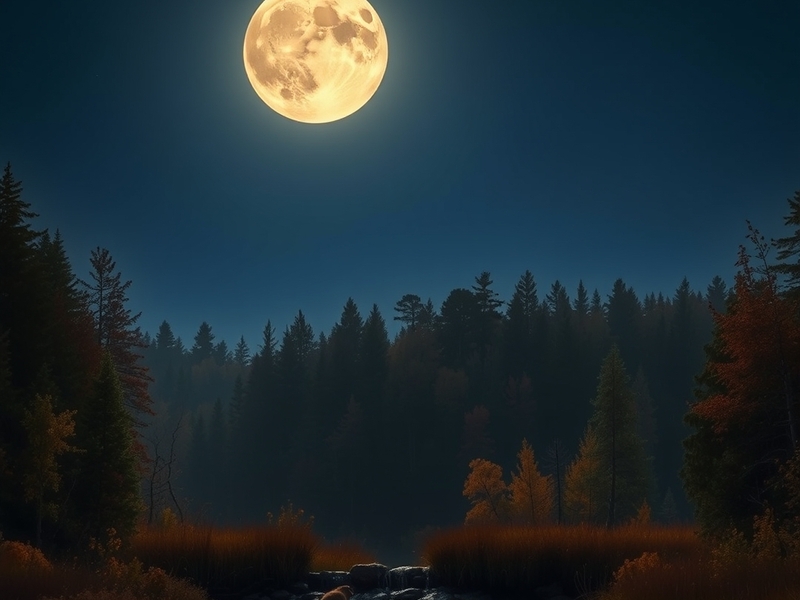
Understanding the November Beaver Moon Supermoon
The November Beaver Moon Supermoon is a celestial event that captures the attention of skywatchers, astronomers, and nature enthusiasts alike. Occurring annually, this particular supermoon is named after the time of year when beavers are typically preparing for winter. It serves as a reminder of the changing seasons and the cycles of nature. This year, the Beaver Moon will be a supermoon, meaning it will appear larger and brighter than usual as it reaches its closest point to Earth.
The Significance of the Beaver Moon
The Beaver Moon has its roots in Native American traditions, where it was named to signify the time of year when beavers are active in their preparations for winter. Historically, this was the time to set traps for beavers before the swamps froze to ensure a supply of warm winter fur. The moon’s phases have always been an integral part of agricultural calendars, guiding various activities from planting to harvesting.
In different cultures, the November moon has been celebrated in various ways. For example, in some European traditions, it is known as the Frost Moon, acknowledging the onset of colder weather. In contrast, some cultures refer to it as the Mourning Moon, reflecting on the loss and transition that comes with the season.
The Science Behind the Supermoon
A supermoon occurs when the moon is at its closest point to Earth in its elliptical orbit, known as perigee. This proximity results in the moon appearing approximately 14% larger and 30% brighter than when it is at its farthest point, called apogee. The phenomenon of supermoons can have various effects, including heightened tides and increased visibility for stargazers.
During the November Beaver Moon, viewers will experience an exceptional sight. Here are a few key points about the supermoon:
- Timing: The Beaver Moon will reach its peak illumination on a specific date, typically in early to mid-November.
- Visibility: Optimal viewing conditions can be found in areas with minimal light pollution, away from urban centers.
- Photography: This supermoon offers an excellent opportunity for photographers to capture stunning lunar images, especially when framed against landscapes.
Global Cultural Perspectives
The November Beaver Moon is not just an astronomical event; it is steeped in cultural significance across the globe. In many indigenous cultures, the moon has been revered as a vital force in nature, influencing agriculture, hunting, and social practices. For example, in some Native American communities, the Beaver Moon is celebrated with rituals that honor the changing seasons and the bounty of nature.
In contrast, other cultures have incorporated the moon into their folklore and traditions. For instance, in parts of Asia, the moon is associated with harvest festivals, where families gather to give thanks for the abundance of the season. These cultural practices highlight the interconnectedness of humanity with celestial events, showcasing a shared appreciation for the natural world.
As people across the globe prepare to witness the November Beaver Moon Supermoon, many will engage in activities to honor this event. These may include moon-gazing parties, educational sessions about lunar cycles, and even artistic endeavors inspired by the moon’s beauty.
Conclusion
The November Beaver Moon Supermoon is more than a mere astronomical occurrence; it is a celebration of nature and the changing seasons. Whether you are an avid astronomer or a casual observer, this supermoon provides a unique opportunity to reflect on cultural traditions and the profound influence of the moon on our lives. As you prepare to witness this spectacular event, consider the stories and significance that accompany it, and let the beauty of the Beaver Moon inspire you.