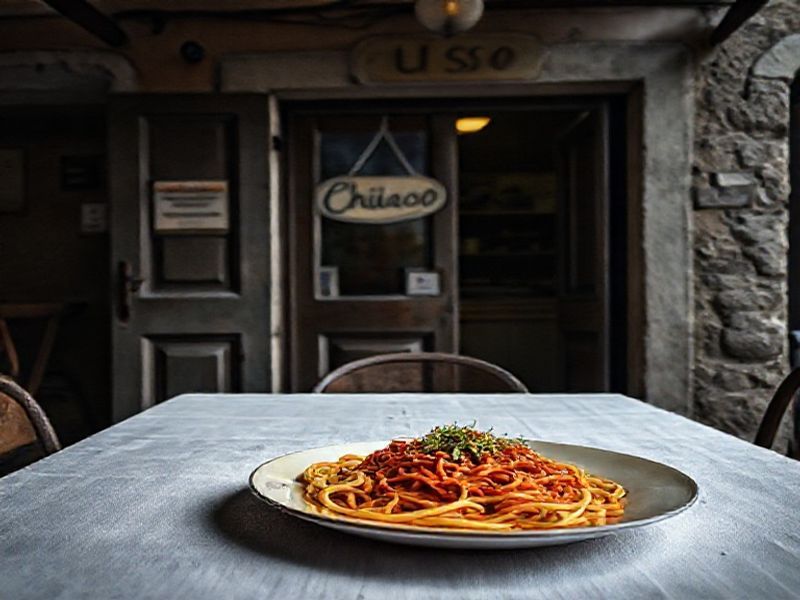
Pasta La Vista, Baby: Why Italian Pasta Might Be Disappearing and What It Means for Food Lovers
Pasta La Vista, Baby: Why Italian Pasta Might Be Disappearing
In a world where trends come and go faster than a TikTok dance challenge, there’s a new one that’s got us all in a twist—literally. Italian pasta, the beloved staple of our carb-loaded dreams, is reportedly poised to disappear. Yes, you read that right. The very essence of Italian cuisine, the stuff of spaghetti westerns and college student diets everywhere, might be on its way out. But why is this trending globally, and what does it mean for our collective love of twirling noodles?
The Great Pasta Paradox
First, let’s address the elephant in the room—or rather, the empty plate. The idea that Italian pasta could disappear isn’t just a plot twist from a bad rom-com; it’s a real concern tied to climate change, agricultural shifts, and cultural evolution. Italy, the birthplace of pasta, is facing some serious challenges that could redefine the future of this culinary icon.
Climate Change: The Uninvited Guest
Climate change is the ultimate party pooper, and it’s wreaking havoc on Italy’s agricultural landscape. Rising temperatures, droughts, and unpredictable weather patterns are making it increasingly difficult to grow durum wheat, the primary ingredient in traditional Italian pasta. Farmers are struggling to maintain yields, and the quality of the wheat is declining. If this trend continues, we might soon be saying “ciao” to the al dente perfection we’ve come to love.
The Social Impact: A Cultural Identity Crisis
Pasta is more than just food in Italy; it’s a cultural identity. From spaghetti carbonara to lasagna, pasta dishes are deeply embedded in Italian traditions, family gatherings, and social rituals. The thought of losing pasta is akin to Americans losing pizza or the French losing wine—it’s a cultural identity crisis of epic proportions.
But the impact isn’t just limited to Italy. Globally, pasta is a symbol of comfort food, a universal language that transcends borders. Whether it’s a quick weeknight dinner or a fancy restaurant dish, pasta is a staple in households worldwide. The idea that it might disappear is enough to send foodies into a collective panic.
The Rise of Alternative Grains
As durum wheat becomes less reliable, Italian farmers and chefs are turning to alternative grains like farro, kamut, and ancient grains to keep pasta on the table. While these alternatives offer unique flavors and nutritional benefits, they’re not quite the same as the classic durum wheat pasta we’ve grown to love.
This shift is part of a broader trend toward sustainability and innovation in the food industry. Consumers are becoming more conscious of their food choices, and the demand for eco-friendly, ethically sourced ingredients is on the rise. But will these alternatives ever truly replace the iconic Italian pasta?
The Global Trend: A Collective Gastronomic Anxiety
The news of pasta’s potential disappearance has sparked a global conversation, with food enthusiasts, chefs, and even meme pages weighing in. Social media is abuzz with hashtags like #SaveThePasta and #PastaCrisis, and memes about a world without spaghetti are flooding our feeds. It’s a mix of humor and genuine concern, a testament to how deeply pasta is woven into our collective consciousness.
What’s Next for Pasta Lovers?
So, what does the future hold for pasta lovers? While the situation is dire, it’s not all doom and gloom. Innovations in agriculture, such as drought-resistant wheat varieties and sustainable farming practices, offer hope. Chefs and food scientists are also experimenting with new pasta recipes and ingredients to keep the tradition alive.
In the meantime, perhaps it’s time to appreciate pasta even more. Whether it’s a simple plate of spaghetti aglio e olio or a lavish truffle-infused ravioli, every bite is a celebration of Italian culinary artistry. And who knows? Maybe this crisis will inspire a new wave of creativity, leading to even more delicious pasta innovations.
Conclusion: A Love Letter to Pasta
In the end, the potential disappearance of Italian pasta is a reminder of how interconnected our food systems are with the environment and culture. It’s a call to action for sustainable practices and a celebration of the foods that bring us together. So, let’s raise a fork to pasta—may it never truly disappear, but if it does, may its legacy live on in our hearts and stomachs.
—