MLS City Connect Jerseys 2026: The Future of Fan Fashion & Identity
Major League Soccer (MLS) continues to redefine fan engagement with its innovative City Connect jersey program. Designed to celebrate each club’s unique identity while fostering deeper connections with local communities, the 2026 City Connect jerseys promise to be more than just uniforms—they’re cultural statements. As clubs unveil their designs, the conversation around identity, representation, and commercial strategy in sports fashion is evolving.
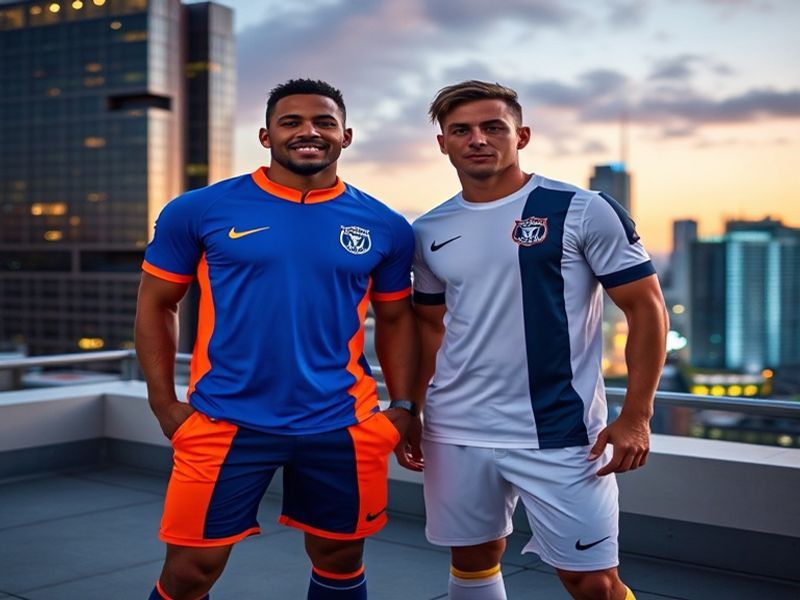
These jerseys aren’t merely alternatives to traditional kits. They serve as visual tributes to the cities they represent, incorporating local landmarks, colors, and even languages. For fans, wearing a City Connect jersey is a way to express pride in their community’s heritage. For clubs, it’s an opportunity to strengthen brand loyalty and tap into regional pride.
The Evolution of City Connect Jerseys
Introduced in 2020, the City Connect program was initially met with curiosity. Early designs—like the vibrant pink of LAFC’s jersey or the deep blue of Seattle Sounders FC—stood out against traditional soccer aesthetics. Over time, the concept gained traction as fans embraced the idea of jerseys that reflected their city’s personality.
By 2026, the program has matured into a cornerstone of MLS marketing. Clubs now collaborate with local artists, historians, and designers to ensure each jersey tells a story. For example, FC Cincinnati’s 2026 design reportedly incorporates elements inspired by the city’s historic Over-the-Rhine district, blending modern soccer culture with local tradition.
The shift toward hyper-local design has also influenced how jerseys are marketed. Instead of generic global campaigns, clubs now launch collections tied to city-specific events, festivals, or social causes. This strategy not only boosts sales but also deepens emotional connections between teams and their supporters.
Key Design Trends for 2026
The 2026 City Connect jerseys are expected to push creative boundaries. Based on recent leaks and club teasers, several trends are emerging:
- Hyper-local color palettes: Jerseys are moving beyond primary colors, incorporating shades tied to local flora, landmarks, or even sports teams from other leagues.
- Language integration: Some clubs are weaving local languages or dialects into the jersey’s branding, subtly highlighting cultural diversity.
- Sustainable materials: With sustainability becoming a priority, several clubs are using recycled fabrics or eco-friendly dyes in their designs.
- Minimalist storytelling: Instead of overt logos, some jerseys feature subtle nods to local history, like subtle patterns or embroidery.
One standout example is the rumored design for Sporting Kansas City, which reportedly includes a pattern inspired by the region’s Native American heritage. Such choices reflect a growing emphasis on authenticity and respect in sports branding.
The Business of Identity: Why City Connect Jerseys Matter
For MLS, City Connect jerseys are more than fan gear—they’re a strategic asset. The program has driven significant revenue growth, with some clubs reporting a 20-30% increase in jersey sales since its inception. But the impact goes beyond numbers.
These jerseys help clubs carve out a distinct identity in a crowded sports market. While traditional European clubs rely on historic prestige, MLS teams leverage their connection to modern urban life. The City Connect program turns jerseys into conversation starters, bridging gaps between casual fans and die-hard supporters.
Commercially, the jerseys also open doors for partnerships with local businesses. For instance, a club might collaborate with a regional brewery to co-brand a limited-edition jersey, creating buzz and driving sales. This approach aligns with the broader trend of experiential marketing in sports.
Another key benefit is fan inclusivity. By celebrating local cultures, City Connect jerseys resonate with diverse audiences, including immigrant communities and younger fans who value representation. This inclusivity strengthens the emotional bond between clubs and their supporters.
Broader Implications for Sports and Fashion
The success of MLS’s City Connect program has caught the attention of other leagues. Reports suggest that Major League Baseball and the NBA are exploring similar initiatives for their 2026 seasons. If implemented, this could signal a shift in how sports teams approach branding, moving away from global uniformity toward localized storytelling.
Fashion designers are also taking note. Streetwear brands and high-end designers have long drawn inspiration from sports culture, but the City Connect program blurs the line between athletic wear and art. Collaborations between clubs and fashion labels could redefine sports fashion in the coming years.
However, challenges remain. Balancing commercial appeal with cultural sensitivity requires careful curation. Clubs must avoid appropriating local traditions for profit, ensuring their designs are respectful and authentic. The rise of social media also means any misstep in a jersey’s design or messaging can quickly escalate into controversy.
Despite these challenges, the City Connect phenomenon underscores a broader truth: sports are no longer just about competition. They’re about identity, community, and self-expression. As jerseys evolve from functional gear to cultural artifacts, they reflect the changing values of modern fandom.
What Fans Can Expect in 2026
With the 2026 MLS season on the horizon, anticipation is building. Clubs are expected to unveil their City Connect jerseys in waves, starting with the 2025 playoffs. Fans can look forward to:
- Interactive launches: Some clubs may incorporate augmented reality (AR) into jersey unveilings, allowing fans to “experience” the design digitally before purchase.
- Community-driven elements: Clubs are increasingly involving fans in the design process, whether through polls, contests, or focus groups.
- Limited-edition drops: Expect high-demand jerseys to sell out quickly, with clubs releasing multiple variants to cater to different fan segments.
- Charity tie-ins: Several clubs plan to donate a portion of jersey sales to local causes, aligning the program with social responsibility.
For collectors and casual fans alike, the 2026 City Connect jerseys represent more than just merchandise—they’re a piece of history. Each design tells a story, whether it’s the grit of a Rust Belt city or the vibrancy of a Sun Belt metropolis. As these jerseys hit the streets, they’ll do more than adorn fans; they’ll spark conversations, celebrate cultures, and redefine what it means to represent a team.
Conclusion
The City Connect jersey program has transformed from a novel idea into a cornerstone of MLS culture. In 2026, these jerseys will continue to evolve, blending fashion, fandom, and local pride into wearable art. For fans, they offer a way to stand out while standing together. For clubs, they provide a powerful tool for engagement and growth.
As sports and fashion collide, the City Connect program reminds us that jerseys are more than fabric and thread—they’re symbols of who we are and where we come from. And in a world where global connectivity often overshadows local roots, that’s a message worth celebrating.
For more on MLS trends and fan culture, explore our Sports and Fashion sections.