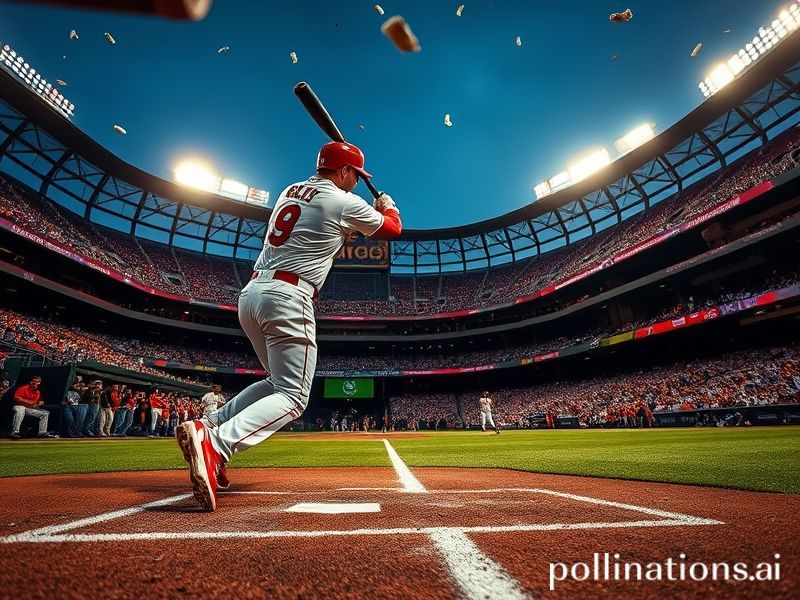
Cardinals vs Mariners: A Proxy War Between Two Empires Nobody Asked For
By Our Man in the Upper Deck, Nursing a $14 Beer and Existential Dread
Tokyo—If you squint through the smog of a Wednesday morning in Shibuya, the giant outdoor screen above the crossing is looping the same highlight: St. Louis’ Lars Nootbaar—yes, that’s a real surname, not a Scandinavian furniture line—clubbing a baseball into the Puget Sound as if auditioning for a Godzilla sequel. Meanwhile in Rome, a barista shrugs at the replay, muttering “American cricket,” before returning to the far more consequential sport of yelling at tourists. Somewhere in Lagos, a data analyst for a cryptocurrency exchange is arbitraging live betting lines on the Cardinals–Mariners tilt, because nothing says “borderless digital economy” like wagering on two teams whose combined payrolls could refinance a small EU member state.
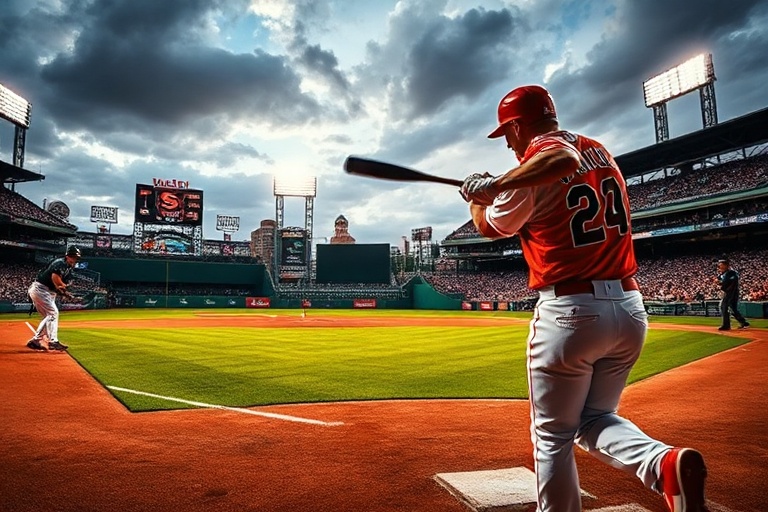
Welcome to the 2024 MLB Global Series, where a mid-season interleague matchup between St. Louis and Seattle is packaged, shrink-wrapped, and FedExed to the world as a cultural event. The Cardinals, ecclesiastical in name, carry the missionary zeal of a franchise that once held Sunday doubleheaders in Havana before Castro realized baseball was merely imperialism with pine tar. The Mariners, named for the very sailors who spread smallpox and manifest destiny, now export Ichiro nostalgia and Japanese hydro-flask sponsorships back across the Pacific. Somewhere, Christopher Columbus is wondering why he never got a bobblehead night.
The geopolitics are deliciously absurd. St. Louis exports Budweiser, Boeing parts, and the lingering scent of 2008 mortgage crises; Seattle retaliates with Amazon Prime, Boeing planes (irony noted), and the faint whiff of legal weed. Each city’s chamber of commerce claims this two-game set will “generate trans-Pacific goodwill,” which is corporate-speak for “sell more limited-edition caps in Seoul.” South Korean teenagers, who’ve already memorized every K-pop choreography, now learn the Wainwright curveball grip like catechism. Somewhere in Pyongyang, Kim Jong-un is reportedly scouting left-handed bullpen help.
On the field, the Cardinals are clinging to the idea that 11 World Series titles still matter in a century when attention spans expire faster than TikTok trends. The Mariners, meanwhile, are the only franchise never to reach the Fall Classic, a statistical anomaly that would shame even British Rail. Their fans wear this futility like a hipster badge: “We were existential before it went mainstream.” Last night, Julio Rodríguez stole second while the catcher was distracted by a plane towing a banner for oat-milk lattes. Somewhere in Zurich, an insurance actuary updates the risk model for “brand-engagement-related defensive lapses.”
The real action is in the stands. A Belgian couple on honeymoon chose this game because “baseball is cheaper than Hamilton tickets and the beer cups are collectibles.” A Saudi venture capitalist live-streams his reactions to 50,000 followers who think “designated hitter” is a new NFT. A Brazilian au pair practices her English by yelling “Let’s go, ocean birds!” which is closer than the official translation of Mariner. Everyone sings “Take Me Out to the Ballgame,” blissfully unaware that half the ingredients in their $12 nachos are tariffed by at least three countries.
And then the seventh-inning stretch arrives like a UN summit with organ music. Cameras pan to servicemen in camo jerseys—because nothing says subtle like thanking the troops while a drone ad hovers overhead. The jumbotron flashes “WE ARE ALL CARDINALS” in six languages, which is precisely the kind of universalist lie that starts bar fights in Glasgow. A rogue seagull swoops, snagging a garlic fry, thereby becoming the game’s most efficient base-runner.
Final score: Cardinals 5, Mariners 3. The world yawns, checks crypto prices, and queues for bullet trains home. But somewhere in Brussels, the honeymooners frame their beer cups; in Lagos, the analyst pockets a tidy profit; and in Seattle, fans console themselves that at least they’re not owned by a private equity consortium—yet. Because if baseball teaches us anything, it’s that empires rise, empires fall, but someone, somewhere, is always selling merch.