When the Bells Stop Ringing: Why Cincinnati’s School Closures Are Making Global Waves
Ah, Cincinnati—home of chili, baseball, and now, a hot topic that’s got the internet buzzing. The recent wave of school closures in the Queen City has sparked conversations far beyond the Ohio River, and for good reason. This isn’t just about local education policy; it’s a microcosm of global trends in urban education, economic inequality, and the cultural shifts reshaping how we think about schools. So, why is the world suddenly paying attention to Cincinnati’s school closures? Let’s dive in.
The Perfect Storm: Why Cincinnati?
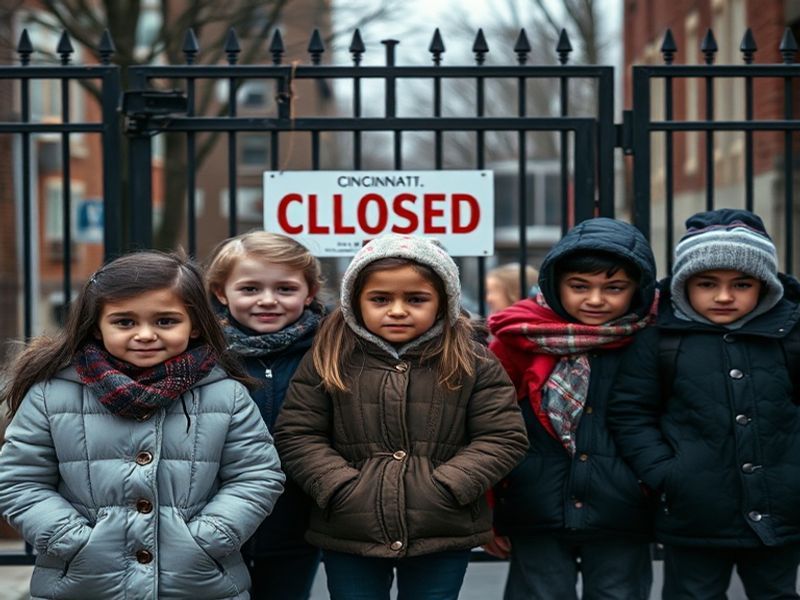
Cincinnati’s school closures are part of a larger trend in urban education, where districts grapple with declining enrollment, budget cuts, and shifting demographics. But what makes Cincinnati’s situation particularly noteworthy is the sheer scale and speed of the closures. Over the past few years, the Cincinnati Public School (CPS) district has shuttered dozens of schools, leaving families scrambling and communities in flux.
The closures are a symptom of broader issues: urban flight, economic disparity, and the lingering effects of the pandemic. Cincinnati, like many cities, has seen a decline in its school-age population as families move to the suburbs or opt for charter schools. The result? Underutilized buildings, strained resources, and a growing sense of uncertainty among parents and educators.
The Cultural Context: More Than Just a Local Story
Cincinnati’s story resonates globally because it mirrors trends seen in cities from Detroit to London. Urban school districts worldwide are facing similar challenges—aging infrastructure, funding shortages, and the rise of alternative education models. The closures in Cincinnati are a case study in how these issues play out in real time, offering a glimpse into the future of urban education.
But here’s where it gets interesting: Cincinnati’s closures aren’t just about logistics. They’re about identity, community, and the role schools play in shaping neighborhoods. Schools are more than just places of learning; they’re cultural hubs, social anchors, and symbols of stability. When they close, it’s not just the education system that feels the impact—it’s the entire community.
The Social Impact: A Ripple Effect
The ripple effects of Cincinnati’s school closures are far-reaching. For starters, there’s the economic impact. Schools are major employers and economic drivers in their communities. When they close, jobs are lost, and local businesses suffer. But the human cost is even more profound.
Families are forced to make difficult choices: relocate, enroll their kids in overcrowded schools, or turn to charter schools. The closures disproportionately affect low-income families, who often lack the resources to navigate these challenges. The result? A deepening of the achievement gap and a further erosion of trust in public education.
Then there’s the cultural impact. Schools are where traditions are born, where communities come together, and where identities are shaped. When a school closes, it’s not just a building that disappears—it’s a piece of the community’s history. The emotional toll on students, teachers, and families is immeasurable.
Why the World Is Watching
So, why is the world suddenly paying attention to Cincinnati? Because what’s happening there is a microcosm of global trends. Urban education is at a crossroads, and Cincinnati’s story offers a cautionary tale—and perhaps a roadmap—for other cities facing similar challenges.
The closures also highlight the role of social media in amplifying local stories. In the past, Cincinnati’s school closures might have been a regional story. But in the age of Twitter, TikTok, and viral hashtags, local issues can quickly become global conversations. Parents, educators, and activists are using these platforms to share their stories, sparking debates and drawing attention to the broader issues at play.
The Takeaway: A Call to Action
Cincinnati’s school closures are a wake-up call. They’re a reminder that education is more than just a policy issue—it’s a cultural and economic lifeline. The world is watching because the stakes are high, and the lessons learned in Cincinnati could shape the future of urban education everywhere.
So, what’s next? For Cincinnati, the focus must be on rebuilding trust, investing in communities, and ensuring that no child is left behind. For the rest of us, it’s a reminder to pay attention, to advocate, and to recognize that the future of education is being written in cities like Cincinnati every day.
And hey, if nothing else, maybe this will inspire a new wave of viral memes about the struggles of urban school districts. Because if there’s one thing the internet loves, it’s turning real-life struggles into relatable content. Stay tuned, folks—this story is far from over.