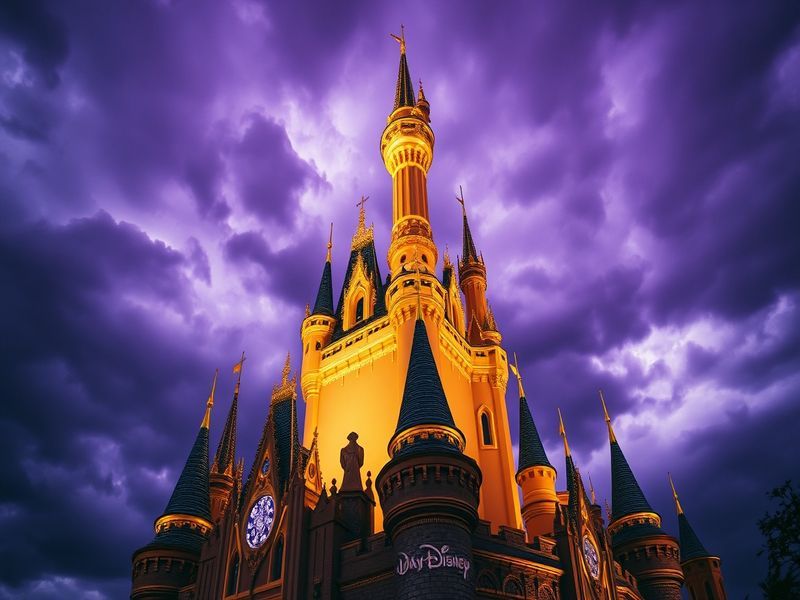
Disney’s creative engine runs on a philosophy that rarely makes headlines: “believe.” This isn’t just a slogan—it’s a design principle woven into the fabric of the company’s storytelling, operations, and guest experiences. From the earliest days of Walt Disney’s vision to today’s immersive theme parks and streaming content, “believe” has shaped how audiences engage with the brand. But what does it truly mean, and how does it influence the broader entertainment landscape?
The Origins of a Creative Philosophy
Walt Disney himself was a firm believer in the power of imagination. His insistence on “believe” reflected a deeper commitment to craftsmanship and authenticity. In the 1950s, as Disneyland was being built, Walt famously said, “Disneyland will never be completed. It will continue to grow as long as there is imagination left in the world.” This ethos—rooted in belief in the impossible—became a guiding force.
The philosophy extends beyond mere optimism. It demands rigorous attention to detail, emotional resonance, and an unwavering trust in the audience’s ability to suspend disbelief. Whether in an animated film or a theme park attraction, Disney’s teams operate under the assumption that belief is something that must be earned through consistency and sincerity.
Three Pillars of the Disney Believe Ethos
- Immersive World-Building: Disney doesn’t just create stories—it constructs environments where belief is inevitable. From the meticulously themed lands of Epcot to the narrative cohesion of a Pixar film, every detail reinforces the illusion.
- Emotional Authenticity: Belief hinges on relatability. Disney’s most enduring stories, like Toy Story or The Lion King, succeed because they tap into universal emotions that feel real, even in fantastical settings.
- Consistency Across Channels: The magic doesn’t break when a guest leaves a park or finishes a movie. Disney’s transmedia storytelling—spanning games, merchandise, and digital content—extends the belief system into every interaction.
How “Believe” Transforms Guest Experiences
Nowhere is Disney’s belief philosophy more visible than in its theme parks. The company’s Imagineers don’t just design rides—they engineer moments of wonder. Take the Haunted Mansion, for example. Its enduring popularity isn’t just due to scares; it’s the result of meticulous attention to storytelling. Guests aren’t just observers—they’re participants in a shared illusion, one that relies on their willingness to believe.
This approach has evolved with technology. Modern attractions like Star Wars: Rise of the Resistance use advanced robotics and projections to make belief feel effortless. The ride’s success hinges on an unspoken contract: if the guest suspends disbelief, the magic works. Disney’s ability to uphold this contract—even amid rising ticket prices and crowds—speaks to the depth of its commitment.
Beyond Parks: The Streaming and Film Impact
Disney’s streaming service, Disney+, isn’t just a repository for content—it’s a belief system in action. By leveraging its vast library of nostalgia-driven franchises, the platform reinforces Disney’s role as a cultural curator. Shows like The Mandalorian and WandaVision aren’t just entertainment; they’re invitations to believe in expanded universes, Easter eggs, and serialized storytelling.
Yet, this strategy isn’t without risks. Disney’s aggressive push to re-release classic films in theaters under the “Believe” banner has sparked debates about nostalgia exploitation. Fans question whether the company is honoring its legacy or commodifying it. The tension highlights a paradox: belief thrives on authenticity, but authenticity can be diluted by commercial imperatives.
The Broader Implications of Disney’s Believe Ethos
Disney’s philosophy offers lessons for industries far beyond entertainment. In a media landscape saturated with content, belief is a currency. Brands that prioritize emotional connection over transactional engagement often foster deeper loyalty. Disney’s success lies in its ability to make audiences not just consumers, but believers.
However, this model isn’t without criticism. Some argue that Disney’s relentless pursuit of belief borders on manipulation, particularly in its marketing of franchises to young audiences. The line between inspiration and indoctrination can blur, especially when corporate interests align with creative output.
Key Takeaways for Creators and Businesses
- Belief is a process, not a product: It’s cultivated through consistency, attention to detail, and emotional honesty.
- Technology amplifies belief, but doesn’t replace it: While Disney leverages cutting-edge tech, its magic ultimately depends on human connection.
- Authenticity is non-negotiable: Audiences can sense when belief is performative versus deeply held.
- Nostalgia is a double-edged sword: Leveraging it can strengthen belief, but over-reliance risks alienating newer generations.
For those who study creative industries, Disney’s “believe” ethos is a case study in how philosophy shapes success. It’s not just about selling tickets or subscriptions—it’s about fostering a world where audiences willingly suspend their disbelief, if only for a few hours.
A Look Ahead: What’s Next for Disney Believe
As Disney expands into new frontiers—VR experiences, interactive storytelling, and global theme park expansions—the “believe” philosophy will need to adapt. The challenge? Maintaining the emotional core of belief in an era of algorithm-driven content and fleeting attention spans.
One potential path is deeper personalization. Imagine a theme park ride that adapts to your emotional responses in real time, or a streaming experience that evolves based on your interactions. The risk? Losing the communal belief that has defined Disney’s magic for decades.
Yet, if history is any indication, Disney will find a way. After all, the company’s greatest achievements—from Snow White to Black Panther—share a common thread: they asked audiences to believe, and audiences obliged.
In an industry where trends fade as quickly as they emerge, Disney’s commitment to belief is a rare constant. It’s a reminder that, no matter how advanced technology becomes, the most powerful magic is the kind that lives in the hearts of those who choose to believe.
For more on how Disney’s strategies shape modern entertainment, explore our Entertainment and Culture sections.