Keir Starmer’s Appearance on SNL UK: A Political Satire Moment
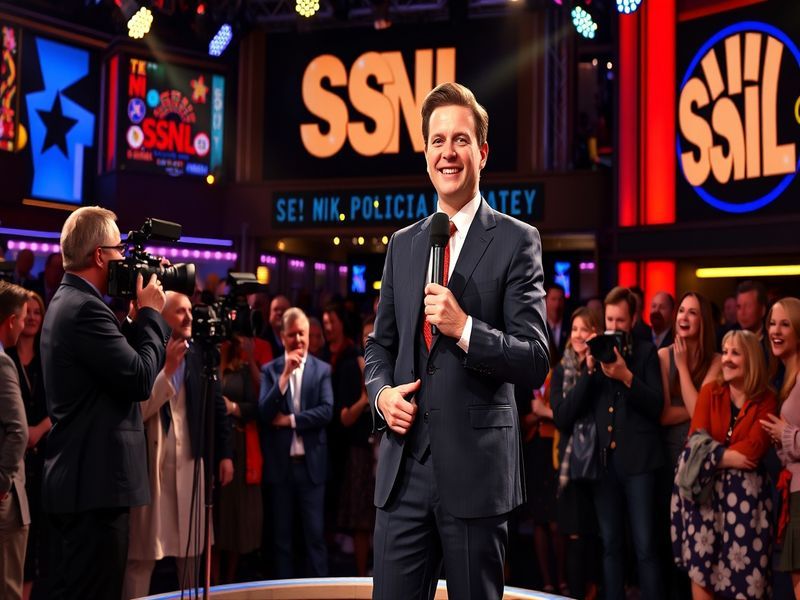
Keir Starmer, the leader of the UK Labour Party, made headlines recently with his guest appearance on the popular sketch show Saturday Night Live UK. This appearance marked a significant moment in the intersection of politics and popular culture, showcasing how political figures are increasingly engaging with entertainment platforms to reach wider audiences.
Starmer’s decision to appear on a show known for its satire and humor highlights the evolving nature of political communication. In the past, politicians often relied on traditional media to convey their messages. However, the landscape is shifting, and platforms like SNL provide a unique opportunity to connect with younger demographics who may be disenchanted with conventional political discourse.
The Significance of Political Satire in Modern Politics
Political satire has long played a crucial role in shaping public opinion and influencing political discourse. Shows like SNL UK have the ability to distill complex political issues into relatable humor, making them accessible to a broader audience. Starmer’s appearance can be seen as a strategic move to humanize himself and the Labour Party in a time when public trust in politicians is waning.
Key aspects of political satire include:
- Engagement: Engaging with the public through relatable content.
- Critique: Providing a platform for criticism of political decisions and policies.
- Awareness: Raising awareness of important issues in a light-hearted manner.
- Connection: Creating a connection with audiences who may feel alienated from traditional political rhetoric.
Starmer’s Performance: Highlights and Reactions
During his segment on SNL UK, Starmer participated in sketches that poked fun at both his political persona and the broader political landscape in the UK. His ability to laugh at himself was a refreshing change, especially in a political climate often characterized by tension and division. The sketches often highlighted the challenges faced by the Labour Party, including internal strife and opposition from the Conservative Party.
Reactions to his appearance were mixed, with many praising his willingness to step outside the typical political arena. Supporters noted that it demonstrated a modern approach to leadership, while critics argued that it trivialized serious political issues. Regardless of the perspective, the episode sparked conversations across social media platforms, showcasing the power of satire in shaping public discourse.
The Global Context of Political Satire
Starmer’s appearance on SNL UK is part of a larger trend of political figures engaging with entertainment media across the globe. Leaders like Barack Obama and Emmanuel Macron have also utilized comedy shows to connect with younger voters. This trend reflects a growing recognition that traditional methods of communication may not be effective in reaching the electorate.
In various cultures, political satire serves as a critical tool for commentary and critique. From the biting humor of The Daily Show in the United States to the sharp wit of Have I Got News for You in the UK, these platforms play an essential role in fostering political engagement.
Some notable examples of political satire include:
- The Daily Show: Known for its incisive commentary on American politics.
- Last Week Tonight with John Oliver: Tackles global issues with a comedic lens.
- Mock the Week: A British show that humorously critiques current events.
As political landscapes evolve, the relationship between politicians and entertainment will likely continue to grow. This evolution may not only change how leaders communicate but also how citizens engage with politics.
Conclusion
Keir Starmer’s appearance on SNL UK represents a notable shift in political engagement strategies. By participating in a well-known comedy show, he aimed to bridge the gap between politics and popular culture. This move reflects a broader trend of political figures utilizing entertainment platforms to connect with the public.
While opinions on the effectiveness of such appearances may vary, the underlying message is clear: political satire is an essential tool for fostering dialogue and engagement. As the boundaries between politics and entertainment blur, it will be fascinating to observe how this trend shapes future political landscapes, not just in the UK but across the globe.