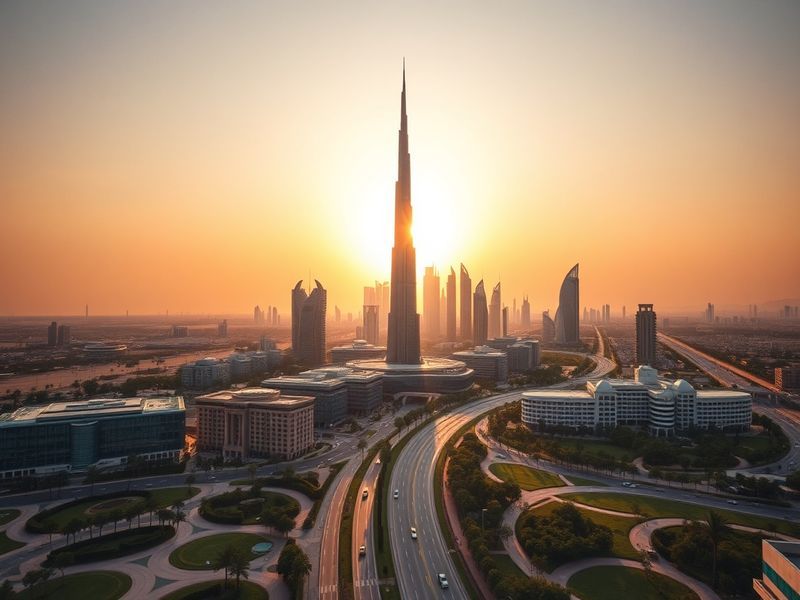
Riyadh, Saudi Arabia’s capital and largest city, stands at the intersection of tradition and modernity. With a population approaching eight million, it has transformed from a desert outpost into a gleaming metropolis of glass and steel. The city’s rapid evolution reflects the kingdom’s broader ambitions, anchored in Vision 2030—a sweeping plan to diversify the economy and redefine its global identity.
The urban landscape is a study in contrasts. In one direction, historic mud-brick neighborhoods like Diriyah whisper of 18th-century beginnings. In another, the Kingdom Centre Tower pierces the skyline, its sky bridge offering panoramic views of a city that never stops growing. This blend of past and future defines Riyadh’s character, making it a compelling destination for travelers, investors, and cultural observers alike.
A City Reborn: Infrastructure and Urban Transformation
Riyadh’s rebirth is most visible in its infrastructure. The $22 billion Riyadh Metro, launched in 2019, now spans 176 kilometers with six lines, easing congestion in a city once dominated by cars. The metro’s stations are architectural landmarks, with designs inspired by local motifs and cutting-edge engineering. Meanwhile, the King Salman Park project—set to become one of the world’s largest urban parks—will introduce 9 million square meters of green space, a rarity in a region known for arid landscapes.
Transportation is only part of the story. The city’s road network has expanded dramatically, including the King Fahd Road expansion and the new Riyadh–Jeddah Expressway. These projects aim to reduce travel time and improve connectivity, especially as the population grows. The government has also prioritized digital infrastructure, with Riyadh ranked among the top cities globally for smart city initiatives. Free public Wi-Fi, smart traffic systems, and AI-powered services are now standard across government buildings and major public areas.
Yet, challenges remain. Traffic congestion persists during peak hours, and air quality issues occasionally prompt health advisories. Urban planners are responding with stricter emissions controls and incentives for electric vehicles. The city’s growth has also strained water resources, prompting investments in desalination and wastewater recycling. These efforts reflect a commitment to sustainability, even as Riyadh continues to expand at an unprecedented pace.
Culture and Identity: Balancing Heritage with Global Influence
Riyadh’s cultural scene is undergoing a renaissance. The King Abdulaziz Historical Center, with its National Museum, offers a curated journey through the Arabian Peninsula’s history, from pre-Islamic artifacts to the founding of modern Saudi Arabia. Nearby, the Murabba Palace, built in 1945, serves as a tangible link to the reign of King Abdulaziz, the kingdom’s founder. These sites are not just tourist attractions; they are symbols of national pride and educational pillars for younger generations.
The city’s art scene is flourishing, too. The Saudi Art Council curates exhibitions that challenge perceptions of the region’s creative output. Galleries like Athr and Hayy Jameel, located in the city’s arts district, showcase works by local and international artists, blending traditional techniques with contemporary themes. The annual Riyadh Season festival, part of Vision 2030, has brought global acts—from opera to pop concerts—to a Saudi audience, while preserving traditional performances like Al Ardah, a martial dance rooted in Bedouin culture.
Food culture in Riyadh is equally dynamic. Traditional Saudi cuisine coexists with international dining experiences. The Al Nakheel district is home to high-end restaurants serving everything from Japanese sushi to French pastries, catering to the city’s cosmopolitan elite. Meanwhile, street food markets like Souq Al Zal offer a taste of local flavors—grilled kebabs, falafel, and dates stuffed with nuts—served under the glow of traditional lanterns. The contrast between these experiences highlights Riyadh’s role as a cultural crossroads, where old and new flavors merge seamlessly.
- Traditional Experiences: Visit Diriyah’s At-Turaif district, a UNESCO World Heritage site, or join a majlis gathering to experience Saudi hospitality firsthand.
- Modern Culture: Explore Hayy Jameel, an arts complex that includes studios, cinemas, and a library, or attend a concert during Riyadh Season.
- Culinary Diversity: Dine at a rooftop restaurant in Kingdom Centre or grab a quick bite at Souq Al Zal for an authentic street food experience.
Economic Engine: Vision 2030 and Riyadh’s Role in Saudi Arabia’s Future
Riyadh is the engine of Saudi Arabia’s economic transformation under Vision 2030. As the seat of government and a hub for finance, technology, and logistics, the city is central to the kingdom’s diversification strategy. The Public Investment Fund (PIF), headquartered in Riyadh, has become one of the world’s most active sovereign wealth funds, with investments in companies like Uber, Tesla, and Lucid Motors. These moves signal a shift from an oil-dependent economy to one driven by innovation and global partnerships.
The financial sector is also evolving. The Saudi Stock Exchange (Tadawul), based in Riyadh, is the largest in the Middle East by market capitalization. New fintech startups are emerging, supported by initiatives like the Saudi Central Bank’s regulatory sandbox, which allows businesses to test financial technologies. Meanwhile, the city’s real estate market is booming, with projects like the Qiddiya entertainment city and the Red Sea Project attracting billions in investment. These developments are not just about growth; they are about creating jobs and fostering a knowledge-based economy.
Riyadh’s role extends beyond economics. The city is positioning itself as a diplomatic hub, hosting major events like the G20 Summit in 2020 and the FIFA World Cup bid for 2034. Diplomatic missions and consulates are concentrated in the Diplomatic Quarter, a green, secure enclave that reflects Saudi Arabia’s desire to engage more openly with the world. The city’s international schools and cultural centers further underscore its growing role as a global player.
The Human Side: Life in a City of Rapid Change
Amid the skyscrapers and construction cranes, Riyadh remains a city of people. For many residents, life here is a mix of opportunity and adjustment. Young Saudis, in particular, are navigating a landscape where tradition and modernity often collide. On one hand, there is greater social freedom—women driving, cinemas reopening, and entertainment options expanding. On the other, societal norms rooted in conservative values still shape daily life. The result is a dynamic, sometimes tense, environment where change is welcomed but not without debate.
Expatriates make up nearly half of Riyadh’s population, contributing to the city’s cultural and professional diversity. Communities from South Asia, the Philippines, the West, and beyond live and work alongside Saudis, creating a mosaic of languages, cuisines, and traditions. Expat enclaves like Diplomatic Quarter and Al Hamra offer a sense of familiarity, while local neighborhoods like Al Olaya and Al Malqa provide a glimpse into Saudi daily life. The city’s expat population is a testament to Riyadh’s growing appeal as a place to live and work.
Despite the rapid changes, challenges persist. Housing remains expensive in central areas, and traffic congestion can be grueling. The cost of living has risen, particularly for middle-class families, as demand outstrips supply in some sectors. Yet, there is a sense of optimism. The government’s focus on improving public services, from healthcare to education, is gradually taking shape. New hospitals, schools, and universities are opening, and initiatives like the Saudi Green Initiative aim to improve urban livability. For many, these developments signal a brighter future for Riyadh and its residents.
As the sun sets over the city, Riyadh’s skyline glows with the lights of construction sites and illuminated landmarks. The Kingdom Centre Tower, the Faisaliyah Center, and the upcoming Jeddah Tower replica in the Bullish 1 project all reflect the city’s ambition. Riyadh is not just a capital; it is a work in progress, a city where the past is preserved even as the future is built. For visitors and residents alike, it offers a unique blend of history, culture, and opportunity—a place where contrasts not only coexist but thrive.
Explore more about global cities and cultural trends on Dave’s Locker Travel or dive into economic transformations on Dave’s Locker Business.