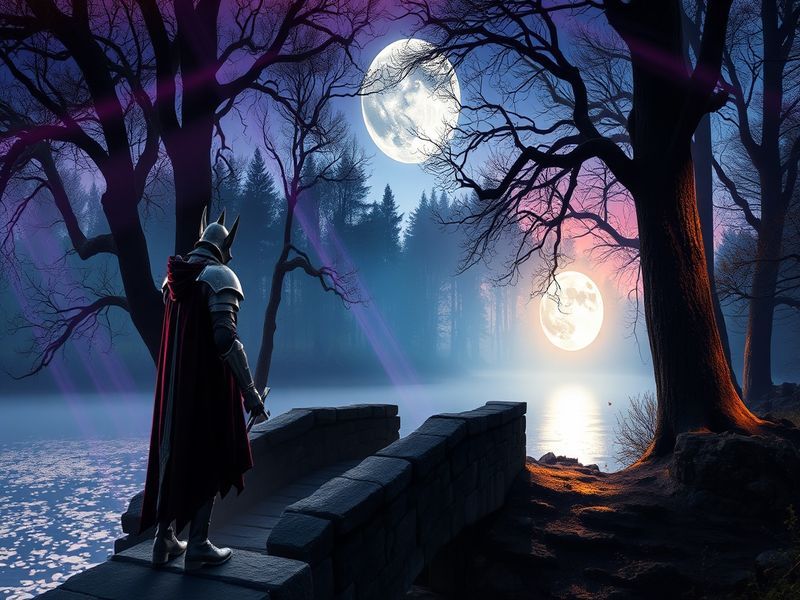
The Legacy of Twilight Princess
“The Legend of Zelda: Twilight Princess” stands as one of the most celebrated entries in the long-running Zelda franchise. Released in 2006 for the Nintendo GameCube and Wii, it offered a darker narrative compared to its predecessors. This shift not only attracted a new audience but also solidified the series’ reputation for depth and complexity. The game intertwines themes of light and darkness, heroism, and the struggle against corruption, all while delivering engaging gameplay mechanics.
Gameplay Mechanics and Design
Twilight Princess introduced several notable gameplay mechanics that enhanced the player experience. The game featured a unique transformation ability, allowing Link to switch between his human form and that of a wolf. This transformation not only changed the dynamic of gameplay but also introduced new puzzle-solving elements. Players could use Link’s wolf form to sense scents, track enemies, and communicate with other animals.
The open-world design encouraged exploration, with vast landscapes filled with secrets and challenges. The game world of Hyrule was richly detailed, offering a variety of environments, from lush forests to desolate wastelands. This diversity contributed to the immersive experience, reinforcing the player’s connection to the narrative.
Key Features of Twilight Princess
- Transformative Gameplay: The ability to switch between Link’s forms added layers to puzzles and combat.
- Dark Narrative: The storyline explored themes of loss, hope, and redemption.
- Rich World Design: A diverse environment that encouraged exploration and discovery.
- Engaging Characters: A cast of memorable characters, each contributing to the overarching narrative.
Art Style and Atmosphere
The art style of Twilight Princess marked a significant departure from the cel-shaded visuals of its predecessor, “The Legend of Zelda: The Wind Waker.” Instead, it embraced a more realistic and darker aesthetic. This choice resonated with players seeking a more mature experience. The detailed character designs, atmospheric environments, and cinematic storytelling combined to create an immersive world that drew players into its narrative.
The game’s soundtrack further enhanced the experience. Composed by Toru Minegishi, Asuka Ohta, and Koji Kondo, the music effectively complemented the emotional highs and lows of the story. Each piece was carefully crafted to reflect the game’s tone, making the auditory experience as memorable as the visual one.
Broader Implications and Cultural Impact
Twilight Princess not only impacted gaming but also contributed to discussions about storytelling in video games. The darker themes explored in the narrative opened doors for more mature storytelling in the medium. As video games continued to evolve, titles that followed began to incorporate deeper narratives, recognizing the potential of interactive storytelling.
This shift can be observed in subsequent Zelda titles, as well as in games across different genres. The exploration of complex themes and character development became more prevalent, challenging the notion that video games were solely for entertainment. Twilight Princess serves as a pivotal example of how games can convey profound messages.
Conclusion
In conclusion, “The Legend of Zelda: Twilight Princess” remains a cornerstone of the gaming world. Its innovative gameplay, compelling narrative, and artistic design have left an indelible mark on the franchise and the industry as a whole. As players continue to explore Hyrule and its myriad of challenges, the legacy of Twilight Princess will undoubtedly endure, influencing future generations of game developers and players alike.
For more insights into gaming and related topics, visit our Gaming category or explore our Entertainment section for a broader look at media and culture.