Exploring the Global Impact of Mortal Kombat
The Legacy of Mortal Kombat: A Global Perspective
Mortal Kombat, a franchise that began in the early 1990s, has evolved significantly over the years. It first emerged in arcades, captivating players with its unique blend of martial arts, fantasy, and graphic violence. Since its inception, Mortal Kombat has expanded into various media, including films, animated series, and comic books, fostering a rich tapestry of storytelling and character development.
What sets Mortal Kombat apart is its ability to adapt and resonate with audiences across the globe. From its iconic characters to its intricate lore, the franchise has created a dedicated fanbase that spans generations. The evolution of gameplay mechanics and the introduction of diverse characters reflect changing cultural values and interests, making Mortal Kombat a fascinating subject for analysis.
Iconic Characters and Their Cultural Impact
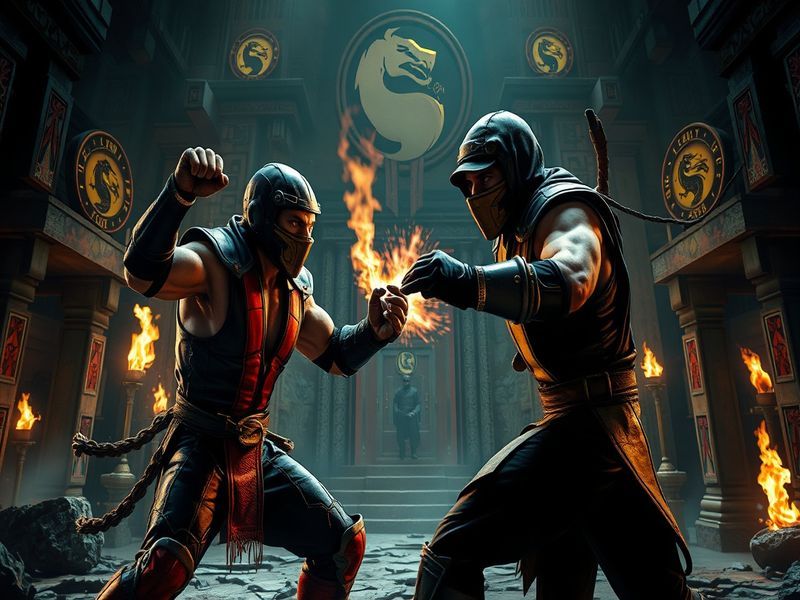
The characters of Mortal Kombat are not just fighters; they are embodiments of various cultures and mythologies. Each character brings a unique backstory and fighting style, often reflecting the traditions of their respective origins. For instance, Liu Kang represents the archetypal hero, drawing from Chinese folklore, while Sub-Zero and Scorpion symbolize the complex relationship between honor and revenge.
The franchise has also introduced characters from different backgrounds, enhancing its global appeal. Notable figures include:
- Sonya Blade: A strong female character who defies traditional gender roles in gaming.
- Kano: A ruthless mercenary representing a more morally ambiguous side of the narrative.
- Raiden: The thunder god, who embodies themes of sacrifice and destiny.
- Kitana: A princess with a complex history that explores themes of loyalty and betrayal.
These characters not only fight for victory but also serve as vehicles for storytelling, revealing deeper themes of conflict, identity, and morality. The diversity in character design and background has allowed Mortal Kombat to engage with various cultural narratives, making it a staple in global gaming culture.
The Evolution of Gameplay and Technology
Mortal Kombat has continuously adapted to technological advancements, from the transition to 3D graphics in the late 90s to the modern era’s focus on intricate combat mechanics and online multiplayer experiences. The franchise has prioritized innovation, ensuring that each new title remains fresh and engaging for both new players and veterans.
Key developments in gameplay include:
- Fatalities: The signature finishing moves that have become a hallmark of the series, showcasing creativity and gore.
- X-Ray Moves: Introduced in Mortal Kombat (2011), these moves provide a cinematic flair to combat, enhancing player engagement.
- Online Multiplayer: Allowing players to compete against others worldwide, fostering a sense of community and competition.
- Character Customization: Players can now personalize their characters, adding depth and personalization to the gaming experience.
These innovations not only keep the gameplay exciting but also reflect broader trends in gaming, such as the increasing importance of online connectivity and player customization. As technology continues to advance, Mortal Kombat remains at the forefront, blending traditional fighting game mechanics with modern innovations.
The Cultural Significance of Mortal Kombat
The impact of Mortal Kombat extends beyond gaming. It has influenced film, music, and even fashion, creating a cultural phenomenon that transcends its origins. The franchise’s films, while met with mixed reviews, have contributed to its legacy, introducing characters and storylines to a wider audience. The soundtrack, particularly the iconic theme, has become synonymous with the franchise, further embedding it in popular culture.
Moreover, Mortal Kombat has sparked discussions about violence in video games, often being at the center of debates concerning the effects of graphic content on players. This ongoing discourse highlights the franchise’s role in shaping not only the gaming industry but also societal perceptions of media and entertainment.
As Mortal Kombat continues to evolve, it remains a significant part of global pop culture, influencing new generations of gamers and storytellers. Its blend of engaging gameplay, compelling characters, and cultural narratives ensures that it will remain relevant for years to come.
Conclusion
Mortal Kombat is more than just a fighting game; it is a cultural touchstone that reflects and shapes societal values. Through its diverse characters, innovative gameplay, and ongoing cultural relevance, it has established itself as a pillar of the gaming community. As fans eagerly await future installments, the legacy of Mortal Kombat will undoubtedly continue to grow, inspiring new stories and engaging audiences around the world.
For more insights into the world of gaming and entertainment, check out our Gaming and Entertainment sections.