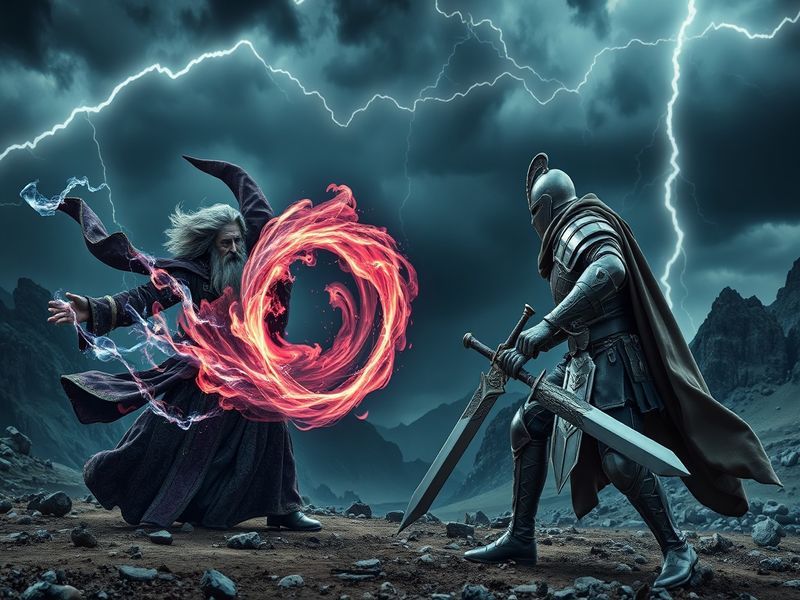
The timeless debate between wizards and warriors transcends fantasy lore, echoing through history, literature, and modern pop culture. These archetypes represent fundamental human ideals—intellect versus physical prowess, foresight versus action. While warriors charge into battle with blades and brawn, wizards wield spells and cunning, each embodying a different path to power.
This duality appears worldwide, from Norse sagas to Japanese folklore. The contrast isn’t just about magic versus might; it reflects deeper societal values. Some cultures revere the scholar over the soldier, while others glorify the warrior’s honor. The tension between these figures persists because it mirrors our own struggles—to choose between thought and action, preparation and spontaneity.
The Warrior’s Code: Honor, Strength, and Direct Conflict
Warriors occupy a central place in global mythology, often celebrated as protectors and symbols of justice. In Western traditions, the Arthurian knights exemplify chivalry, blending martial skill with moral codes. Medieval Europe’s knightly orders weren’t just fighters; they were disciplined leaders bound by oaths. Their strength was physical, but their identity was shaped by discipline and purpose.
Across the globe, similar figures emerge. The samurai of feudal Japan were more than swordsmen—they were philosophers, poets, and bureaucrats. Their bushido code emphasized loyalty, honor, and self-control. In West Africa, the griots—while not warriors themselves—often chronicled the deeds of legendary fighters like Sundiata Keita, whose military genius founded the Mali Empire. These warriors weren’t just about battle; they were about legacy.
Warriors thrive in direct confrontation. Their value lies in decisive action, in standing firm when others falter. Their stories are filled with moments of physical sacrifice—wounds, exhaustion, and triumph through endurance. This archetype resonates in modern sports, too. Combat sports like boxing and MMA celebrate warriors in their purest form: two individuals facing each other with no illusions, only skill and will.
The Wizard’s Wisdom: Knowledge, Deception, and Indirect Power
Wizards, by contrast, wield power through intellect, ritual, and often, manipulation. They are the strategists, the seers, the ones who shape events from the shadows. In Celtic lore, druids were both priests and scholars, advisors to kings who understood the hidden forces of nature. Their magic wasn’t flashy; it was subtle, rooted in observation and wisdom.
In African traditions, figures like the sangoma of Zulu culture serve as spiritual intermediaries, using divination and herbalism to guide communities. Their power comes not from a sword, but from insight. Similarly, in Chinese folklore, the wu (shamans) and later, the daoshi (Daoist priests), blended magic with philosophy, believing harmony with the cosmos brought true strength.
Wizards rarely fight directly. Their battles are waged through riddles, curses, or political maneuvering. Merlin, advisor to King Arthur, rarely swung a sword—yet his influence shaped an entire kingdom. This archetype thrives in modern storytelling. Characters like Gandalf in The Lord of the Rings or Doctor Strange in the Marvel Universe embody the idea that true power lies in preparation, foresight, and understanding forces others cannot see.
The Magic of Strategy: When Wizards Outthink Warriors
History offers real-world examples where strategy triumphed over brute force. The Battle of Thermopylae, immortalized in the film 300, saw a small force of Spartan warriors hold off the Persian Empire—only to fall due to a betrayal that exposed a hidden path. Here, wits and deception undermined raw courage. Similarly, in the 19th century, the Zulu Kingdom’s warriors were nearly unstoppable in open battle, yet they fell to British forces using superior firepower and logistics—a form of technological “magic.”
In the world of gaming, this dynamic plays out constantly. Turn-based strategy games like Civilization reward long-term planning over immediate aggression. A player who neglects diplomacy or science may win early battles but lose the war. Even in role-playing games, mages often dominate in later stages, where battles are won through preparation rather than reflexes.
Cultural Reflections: Which Archetype Does Society Need?
Every culture privileges one archetype over the other at different times. During eras of expansion and conquest, warrior cultures dominate—think the Mongol Empire or Viking raids. But in periods of stability or intellectual growth, scholars and advisors rise in influence. The Renaissance, for instance, celebrated polymaths like Leonardo da Vinci, who blended art, science, and strategy—essentially a “wizard” in a warrior’s world.
Today, the debate continues in subtle ways. Military recruitment posters often emphasize heroism and physical strength, while tech companies lure recruits with promises of innovation and creativity. Even in education, societies debate the value of STEM (science, technology, engineering, math) versus traditional physical education. Are we training warriors or wizards for the future?
The Modern Fusion: Heroes Who Blend Both Worlds
Contemporary storytelling increasingly merges these archetypes. Characters like Arya Stark in Game of Thrones evolve from a warrior’s path to one of cunning and strategy. Kratos, the Greek god-turned-mortal in video games, begins as a warrior but later embraces wisdom and mentorship. These hybrids reflect a modern recognition: true strength often lies in balance.
In reality, few people are pure warriors or pure wizards. Most leaders blend both traits—courage with planning, action with reflection. The best athletes train not just physically but mentally. The most effective CEOs combine decisiveness with long-term vision. Even in sports, coaches (the “wizards”) often dictate outcomes more than individual players (the “warriors”).
Conclusion: Beyond the Binary
The rivalry between wizards and warriors is less about opposition and more about symbiosis. One cannot exist without the other. A kingdom without warriors falls to invaders; a kingdom without wizards stumbles into ruin through poor decisions. The healthiest societies nurture both—the disciplined soldier and the insightful scholar, the athlete and the thinker.
Perhaps the lesson isn’t to choose one path, but to understand when each is needed. The warrior charges forward; the wizard prepares the ground. Together, they create a balanced world—one where strength is matched by wisdom, and action by foresight.
In the end, the most powerful figures aren’t those who embrace one identity exclusively, but those who know when to wield the sword and when to cast the spell.