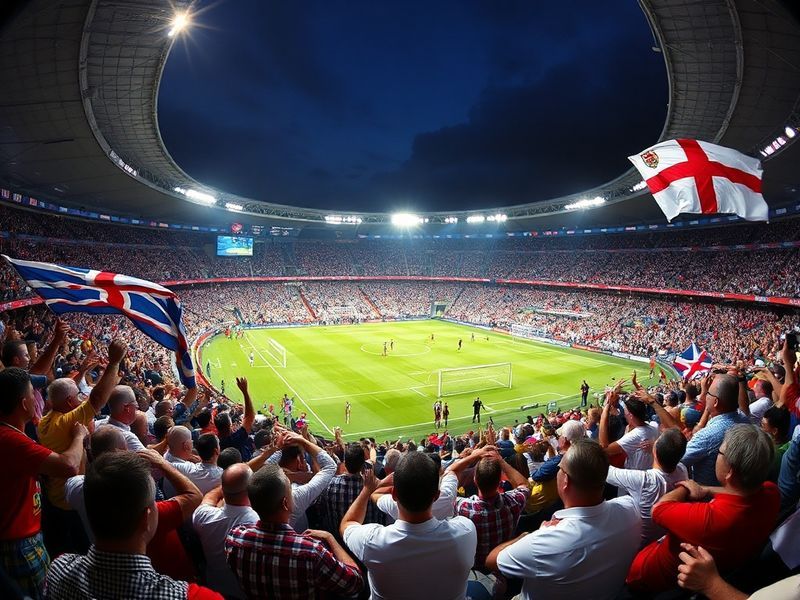
Scotland vs England: History, Culture, and the Rivalry That Defines Them
“`html
Scotland vs England: A Rivalry Beyond Football
The age-old rivalry between Scotland and England transcends sports, politics, and culture. While football matches often steal the spotlight, the competition between these two nations runs deeper, shaped by centuries of history, differing identities, and contrasting visions for the future. This rivalry isn’t just about who wins the next match—it’s about the very essence of what these nations represent and how they navigate their complex relationship.
The Historical Roots of the Rivalry
The origins of Scotland and England’s rivalry stretch back to the medieval period, long before football existed. The Wars of Scottish Independence in the 13th and 14th centuries, immortalized by figures like William Wallace and Robert the Bruce, established a foundation of resistance against English dominance. These conflicts weren’t merely military—they were struggles over sovereignty, identity, and the right to self-determination.
The 1707 Acts of Union, which formally united Scotland and England under one kingdom, did little to erase centuries of tension. Instead, it created a paradox: two nations bound together by politics yet divided by culture, language, and national pride. The act was contentious then, and its legacy continues to shape modern debates about independence and union.
Key Moments in the Rivalry
- 1999 Devolution: The establishment of the Scottish Parliament marked a significant shift, granting Scotland greater autonomy while remaining part of the United Kingdom. This move was a direct response to centuries of centralized English governance.
- 2014 Independence Referendum: Scotland voted to remain in the UK, but the debate reignited calls for self-determination. The 45% vote in favor of independence demonstrated a deeply divided nation.
- Brexit Fallout: Scotland’s overwhelming vote to remain in the EU (62%) contrasted sharply with England’s decision to leave. This divergence highlighted not just political differences but cultural ones as well.
The Cultural Divide
Beyond politics, Scotland and England represent distinct cultural identities. Scotland’s Celtic heritage, Gaelic language, and distinct legal system set it apart from England’s Anglo-Saxon traditions. Even in modern times, these differences manifest in everyday life—from education systems to healthcare, Scotland often charts its own course.
This cultural divergence extends to the arts. Scottish literature, music, and film often explore themes of identity, rebellion, and place, while English culture, particularly in London, tends to dominate the global stage. Yet, Scotland’s cultural exports—think of the tartan-clad pride of Hogmanay or the haunting melodies of bagpipes—remain uniquely its own.
A Question of Identity
The rivalry between Scotland and England is, at its core, a question of identity. For Scots, national pride is often tied to resisting English dominance, whether in politics or culture. For the English, the relationship is more complex—acknowledging Scotland’s distinctiveness while grappling with the implications of a united yet divided kingdom.
This identity crisis isn’t just theoretical. It plays out in everyday interactions, from debates over the Union Jack to discussions about Scottish independence. The question isn’t just whether Scotland should leave the UK—it’s whether England is willing to accept a Scotland that chooses its own path.
The Broader Implications
The Scotland vs England dynamic has implications far beyond the British Isles. It serves as a case study in how nations navigate shared histories while pursuing divergent futures. The rise of nationalism in Scotland, coupled with England’s own internal divisions (such as Brexit and regional disparities), suggests that this rivalry will continue to evolve.
For the rest of the world, the Scotland-England relationship offers lessons in compromise, identity, and the challenges of unity. It’s a reminder that nations aren’t monolithic—they’re collections of people with competing visions for their future. The rivalry isn’t just about who wins; it’s about what kind of future both nations will build together.
What’s Next?
The next chapter in this rivalry will likely be written in the coming years. Scotland’s push for another independence referendum, the ongoing impact of Brexit, and England’s own political turbulence all suggest that the relationship between these two nations will remain a focal point in British politics.
One thing is certain: the Scotland vs England rivalry is far from over. Whether it plays out on a football pitch, in a parliamentary debate, or in the hearts of the people, this competition will continue to shape the identity of both nations for generations to come.
For those interested in exploring the cultural and political nuances of the UK, Dave’s Locker’s Culture section offers deeper insights into the forces shaping modern Britain. For a broader perspective on global rivalries and their impacts, visit Dave’s Locker’s Analysis section.