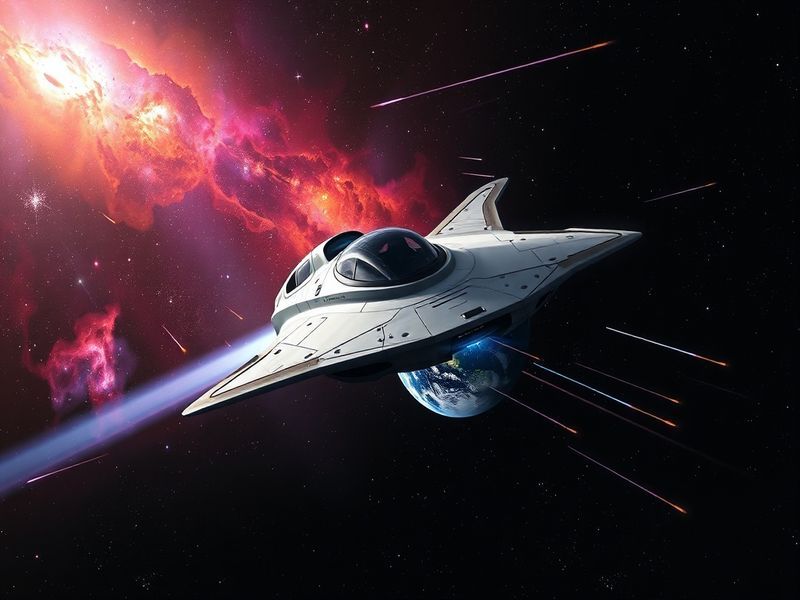
The Evolution of Space Exploration
Space exploration has fascinated humanity for centuries. From the early days of stargazing to the sophisticated missions we see today, this journey has been marked by significant milestones. The quest to understand the cosmos has led to groundbreaking discoveries and technological advancements.
In the mid-20th century, the space race between the United States and the Soviet Union set the stage for modern space exploration. The launch of Sputnik in 1957 marked the beginning of a new era, igniting interest and competition in space science. This competition culminated in monumental achievements, including the Apollo moon landings, which not only showcased technological prowess but also united people around a common goal.
Current Trends in Space Exploration
Today, space exploration is experiencing a renaissance, driven by both governmental and private sector initiatives. Nations around the globe are investing heavily in space programs, recognizing the potential benefits of space research. Key players include:
- NASA: The United States continues to lead with ambitious plans, including the Artemis program aimed at returning humans to the Moon.
- ESA: The European Space Agency collaborates on various missions, focusing on planetary science and Earth observation.
- China’s CNSA: The China National Space Administration has made significant strides, including the successful Mars rover mission, Tianwen-1.
- Private Companies: Companies like SpaceX and Blue Origin are revolutionizing access to space, reducing costs and increasing the frequency of launches.
These advancements reflect a broader global interest in understanding our universe, as well as the practical applications of space technology on Earth. Satellite technology, for instance, plays a crucial role in communication, navigation, and climate monitoring.
The Cultural Impact of Space Exploration
Space exploration extends beyond science and technology; it influences culture, arts, and philosophy. The imagery of space travel has permeated literature, film, and visual arts. Iconic movies like “Interstellar” and “The Martian” explore themes of survival, human connection, and the vastness of the universe, prompting audiences to reflect on our place in the cosmos.
Furthermore, space exploration has inspired generations to pursue careers in STEM fields. Programs aimed at educating young minds about space science have flourished, encouraging creativity and innovation. Organizations like NASA’s “Space Camp” provide immersive experiences that spark curiosity and ambition in students.
Challenges Ahead
Despite the excitement surrounding space exploration, numerous challenges persist. Funding remains a significant obstacle for many countries. As governments allocate resources to address pressing terrestrial issues, balancing investments in space can be difficult.
Additionally, the environmental impact of space activities is under scrutiny. The increasing volume of space debris poses risks to satellites and future missions, prompting discussions on sustainable practices in space exploration.
International collaboration will be essential to overcome these challenges. Working together can foster innovation, share resources, and promote peace. The International Space Station (ISS) exemplifies this spirit of cooperation, bringing together astronauts from various countries to work towards common scientific goals.
Conclusion
Space exploration is a testament to human ingenuity and the relentless pursuit of knowledge. As we look to the future, it is crucial to recognize the cultural, scientific, and ethical dimensions of our endeavors beyond Earth. The ongoing quest to explore space not only enhances our understanding of the universe but also enriches our lives here on Earth.
For those interested in related topics, check out our Science and Technology sections for more insights into the innovations shaping our world.