Exploring the University of Pennsylvania: An Academic Powerhouse
The University of Pennsylvania, commonly known as Penn, stands as one of the oldest and most prestigious institutions of higher education in the United States. Founded in 1740 by Benjamin Franklin, it has evolved into a leading research university that attracts students from around the globe. With a strong emphasis on interdisciplinary education, Penn has established a reputation for excellence in various fields, including business, law, medicine, and the arts.
A Diverse Academic Landscape
Penn is comprised of 12 schools, each offering a unique blend of programs and opportunities. This diversity allows students to tailor their education according to their interests and career aspirations. The university is particularly well-known for its Wharton School, which consistently ranks among the top business schools worldwide.
In addition to business, Penn excels in various other disciplines:
- Law: The Penn Law School is renowned for its rigorous curriculum and commitment to public service.
- Medicine: The Perelman School of Medicine is one of the oldest medical schools in the United States and a leader in medical research.
- Engineering: The School of Engineering and Applied Science offers cutting-edge programs in technology and innovation.
- Arts and Sciences: The College of Arts and Sciences provides a comprehensive liberal arts education.
This academic diversity not only enriches the student experience but also fosters collaboration across disciplines, encouraging innovative approaches to problem-solving.
The Campus and Community
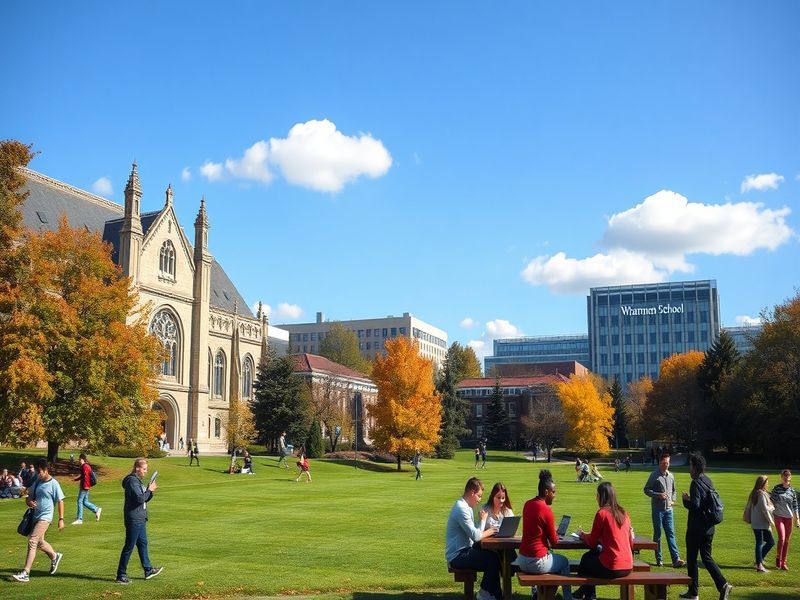
Located in Philadelphia, Penn’s campus is a vibrant mix of historic and modern architecture. The university’s commitment to sustainability and community engagement is evident in its initiatives and programs aimed at improving the local area. Students are encouraged to participate in community service and outreach, creating a sense of connection between the university and the city.
The social scene at Penn is equally dynamic. With over 400 student organizations, there is something for everyone. From cultural clubs to academic societies, students have ample opportunities to pursue their passions and meet like-minded individuals. This diverse community enriches the campus experience and prepares students for global citizenship.
Broader Implications of Penn’s Influence
The University of Pennsylvania plays a significant role in shaping various sectors beyond academia. Its research initiatives often lead to groundbreaking discoveries that impact healthcare, technology, and public policy. The university’s emphasis on interdisciplinary collaboration can serve as a model for other institutions aiming to address complex societal challenges.
Moreover, Penn’s alumni network is an invaluable asset. Graduates often occupy leadership positions in their respective fields, contributing to advancements in business, science, and the arts. This network not only enhances the university’s reputation but also provides current students with mentorship and career opportunities.
As the landscape of higher education continues to evolve, Penn’s focus on innovation and inclusivity positions it well for future challenges. The university’s commitment to research, community engagement, and global collaboration will be crucial as it navigates the complexities of a changing world.
Conclusion
The University of Pennsylvania stands out not only for its academic rigor but also for its commitment to fostering a diverse and inclusive community. As it continues to push the boundaries of knowledge and innovation, Penn remains a beacon of excellence in higher education. Its impact extends far beyond the classroom, influencing various sectors and shaping the future of society.
For more insights into educational developments and trends, visit our Education and Analysis sections.