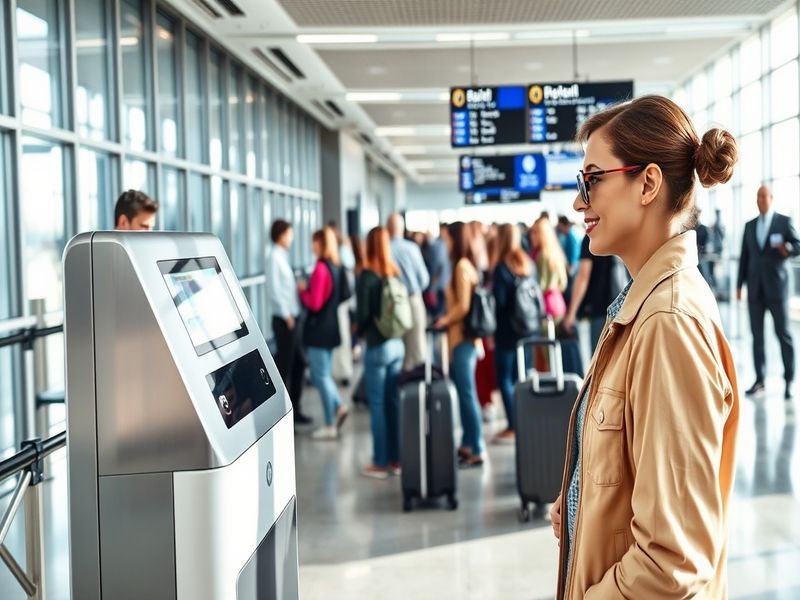
Understanding TSA PreCheck Touchless ID
The Transportation Security Administration (TSA) has been evolving its processes to enhance traveler experience and safety. One of the most notable advancements is the introduction of TSA PreCheck Touchless ID. This system aims to streamline the identification process at airports, allowing travelers to move through security checkpoints with greater ease.
How Touchless ID Works
TSA PreCheck Touchless ID integrates advanced technology to minimize physical contact during the security screening process. By utilizing facial recognition and biometric data, the system verifies a traveler’s identity without the need for traditional ID checks. The process is designed to be quick and efficient, cutting down on wait times and the hassle often associated with airport security.
The mechanics of the system are straightforward:
- Travelers register their biometric data, including facial images, during the TSA PreCheck application process.
- At the airport, a camera scans the traveler’s face, matching it against the stored data.
- Once verified, the system grants access to the security line for expedited screening.
Benefits of Touchless ID
The implementation of TSA PreCheck Touchless ID offers numerous advantages for travelers and airport operators alike. Here are some key points to consider:
- Enhanced Safety: Reducing physical contact minimizes the risk of spreading germs, a crucial factor in the post-pandemic travel landscape.
- Efficiency: The process speeds up identification checks, leading to shorter queues and reduced congestion at security checkpoints.
- Improved Experience: Travelers can enjoy a smoother journey through security, allowing them to focus on their trip rather than the stress of airport procedures.
- Cost-Effective: Airports can potentially reduce staffing needs at checkpoints, reallocating resources to other areas.
Broader Implications for Air Travel
The transition to touchless technology in air travel reflects a significant shift in how the industry approaches security and customer service. As air travel continues to rebound, innovations like TSA PreCheck Touchless ID may become standard practice across the globe. This evolution could lead to a more streamlined experience for passengers, which is essential for maintaining competitiveness in the travel sector.
Moreover, the implementation of this technology could inspire further advancements in airport security. For instance, airports may adopt additional biometric systems, such as fingerprint scanning or iris recognition, to enhance security measures even further. The implications extend beyond convenience; they touch on privacy concerns and the need for robust data protection regulations to safeguard travelers’ personal information.
Conclusion
TSA PreCheck Touchless ID signifies a step forward in the air travel experience, merging technology with security to create a more efficient process. While the immediate benefits are clear—enhanced safety, efficiency, and improved traveler experience—the broader implications for the future of air travel are equally significant. As the industry embraces these advancements, it is crucial to balance innovation with privacy and security considerations.
For those interested in more travel-related insights, visit our Travel category page for updates on the latest trends and technologies in the aviation sector.