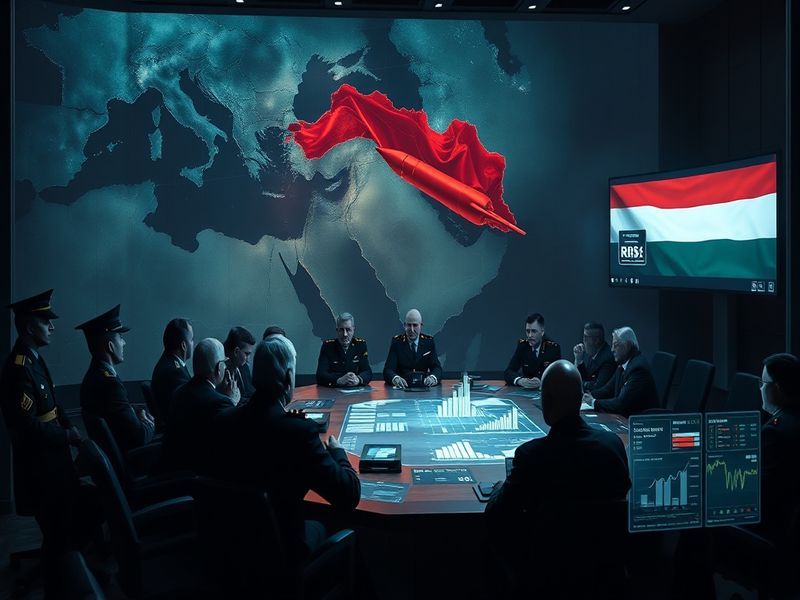
Iran War: Rising Tensions and Global Risks Explained
Since early 2024, the specter of direct military conflict involving Iran has intensified, drawing global attention to the Middle East’s most volatile flashpoint. The latest escalation began after a series of cross-border attacks, cyber strikes, and proxy engagements that have pushed regional powers to the brink. While direct warfare between Iran and its adversaries has not yet materialized, the frequency and severity of incidents suggest a conflict inching closer to open confrontation.
Recent Escalations and Key Incidents
The most significant flashpoint remains the Israel-Hamas war in Gaza, which has drawn Iran-backed militant groups such as Hezbollah in Lebanon and the Houthis in Yemen into active confrontation with Israel. Since October 2023, Iran has provided advanced weaponry and strategic guidance to these groups, enabling attacks on Israeli military positions and civilian infrastructure. In response, Israel has conducted targeted strikes against Hezbollah command centers in southern Lebanon and launched airstrikes in Yemen targeting Houthi missile depots.
In April 2024, a direct confrontation occurred when Israel launched a retaliatory strike on an Iranian consulate in Damascus, Syria, killing several high-ranking Islamic Revolutionary Guard Corps (IRGC) officers. Iran responded with a massive missile and drone barrage aimed at Israeli military sites and nuclear facilities. While Israel’s Iron Dome defense system intercepted most projectiles, the attack marked the first direct assault by Iran on Israeli soil in decades.
Cyber warfare has also played a critical role in this shadow conflict. Both sides have targeted critical infrastructure, with Israeli cyber units reportedly disrupting Iranian gas pipelines and power grids, while Iranian hackers have launched ransomware attacks on Israeli hospitals and government databases. These digital offensives underscore the broadening scope of modern warfare.
Regional Alliances and International Responses
The conflict has galvanized shifting alliances across the Middle East. Saudi Arabia, once a rival of Iran, has adopted a more cautious stance, mediating talks to prevent further escalation. Egypt and Jordan have also called for de-escalation, fearing refugee flows and economic instability. Meanwhile, the United States has reinforced its naval presence in the Persian Gulf and dispatched additional missile defense systems to Israel and Gulf states, signaling strong support for regional allies.
Russia and China have positioned themselves as mediators, advocating for diplomatic solutions through regional forums. Both nations have historical ties with Iran and maintain significant economic interests in the country. At the same time, they have urged restraint to prevent disruption to global oil supplies, which remain vulnerable to any wider conflict.
In Europe, France and Germany have urged restraint, emphasizing the need for a negotiated settlement. The European Union has imposed targeted sanctions on IRGC commanders involved in attacks on shipping lanes in the Strait of Hormuz, where several commercial vessels have been seized or attacked in recent months.
Economic and Humanitarian Consequences
The looming threat of war has already disrupted global oil markets. Iran, a founding member of OPEC, produces about 3.5 million barrels of oil per day. A sustained conflict could remove this supply from the market, pushing crude prices above $100 per barrel and triggering energy shortages in Asia and Europe. Oil tankers are rerouting away from the Strait of Hormuz, increasing shipping costs and delivery times.
The humanitarian toll is equally concerning. Over 30,000 people have been displaced in southern Lebanon due to Israeli airstrikes targeting Hezbollah positions. In Yemen, the ongoing civil war has worsened, with the Houthi-controlled areas facing severe food and medical shortages. Iran’s domestic economy, already strained by international sanctions and mismanagement, is under further pressure as defense spending increases while basic services decline.
Impact on Global Supply Chains
- Energy Prices: Brent crude futures have risen by 18% since January 2024, with traders pricing in a 30% risk premium over potential supply disruptions.
- Shipping Costs: Insurance premiums for vessels passing through the Strait of Hormuz have tripled, contributing to higher prices for consumer goods like electronics and clothing.
- Technology Sector: Semiconductor manufacturing in South Korea and Taiwan depends on Iranian-sourced neon gas, a byproduct of steel production. A prolonged conflict could disrupt chip production lines.
Diplomatic Pathways and Future Scenarios
Despite the rising tensions, diplomatic channels remain open. Oman has hosted several rounds of indirect talks between Iran and the United States, focusing on reviving the 2015 nuclear agreement, formally known as the Joint Comprehensive Plan of Action (JCPOA). While both sides have expressed willingness to negotiate, fundamental differences persist over uranium enrichment levels and the inspection of military sites.
Three potential outcomes could emerge in the coming months:
- Controlled Escalation: Limited strikes and cyberattacks continue without full-scale war, maintaining pressure but avoiding total collapse of regional stability. This scenario allows both sides to signal strength without triggering a wider conflict.
- Negotiated Ceasefire: Under intense international pressure, Iran and Israel agree to a temporary halt in hostilities, facilitated by Gulf states and the UN. This would require significant concessions and likely include a prisoner swap or lifting of some sanctions.
- Unintended War: A miscalculation or accidental strike could spiral into a larger conflict involving multiple state actors. Such a scenario risks drawing in the United States, Russia, and potentially China, creating a global crisis.
The path forward remains uncertain. Diplomats warn that the window for peaceful resolution is closing, with both sides digging in their positions. Iran insists on lifting all sanctions as a precondition for talks, while Israel demands a halt to all weapons transfers to proxy groups before considering negotiations.
Historical Precedents and Lessons
History offers cautionary lessons. The 1980–1988 Iran-Iraq War resulted in over one million casualties and drained both nations’ economies for decades. The 2006 Lebanon War between Israel and Hezbollah demonstrated how proxy conflicts can escalate unpredictably. Today’s geopolitical landscape is even more complex, with nuclear ambitions, cyber capabilities, and shifting alliances creating a volatile mix.
As the world watches, the risk of miscalculation grows. A single incident—whether a drone strike on a civilian ship or a cyberattack on a nuclear facility—could trigger a chain reaction with consequences far beyond the Middle East.
Conclusion
The Iran war, though not yet a declared conflict, is unfolding through proxy battles, cyber strikes, and sporadic direct engagements. The stakes are higher than at any point since the Iran-Iraq War, with global energy markets, humanitarian conditions, and international security all hanging in the balance. While diplomatic efforts continue, the absence of a clear off-ramp suggests that the region is drifting toward a dangerous precipice.
For policymakers, the challenge is twofold: preventing escalation while addressing the underlying grievances that fuel regional instability. For the international community, the imperative is clear—avoid complacency and prepare for the possibility of a conflict that could reshape the global order. The time for preventive diplomacy is now, before the drums of war drown out all other voices.
Follow ongoing updates on Politics and News for real-time analysis and expert commentary.