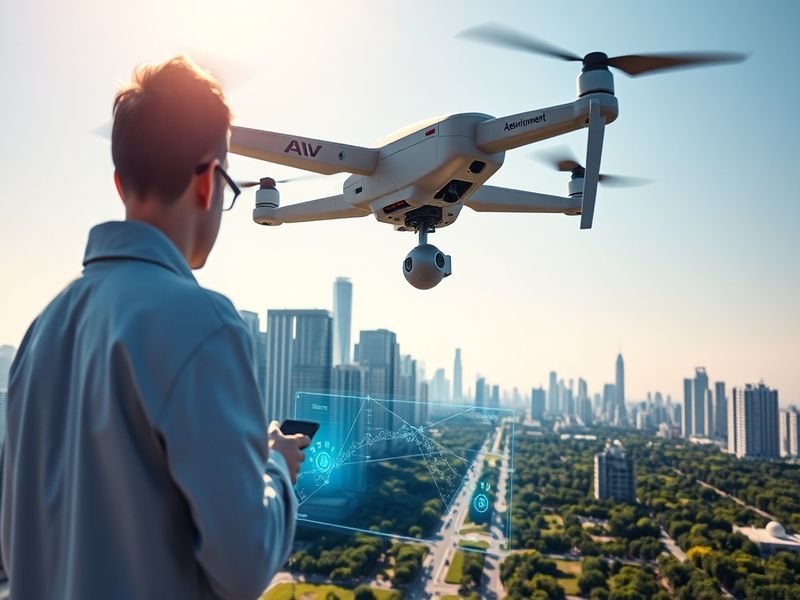
Aerovironment: Leading Innovations in Unmanned Systems Technology
Aerovironment: Innovating the Future of Unmanned Systems
Aerovironment, a prominent player in the realm of unmanned systems and electric vehicle technology, has made significant strides in enhancing capabilities for both military and commercial applications. Founded in 1971, this company has evolved from its initial focus on solar-powered vehicles to a diverse portfolio that includes drones, tactical systems, and energy solutions. As the demand for advanced aerial technology continues to rise, Aerovironment stands at the forefront of innovation.
Core Technologies and Products
Aerovironment’s product lineup is impressive and varied, catering to different sectors. The company’s unmanned aircraft systems (UAS) are particularly noteworthy. These systems are designed for intelligence, surveillance, and reconnaissance (ISR) missions, which are crucial for military operations. The following are some of the key offerings from Aerovironment:
- Puma 3 AE: A portable, hand-launched drone ideal for reconnaissance missions.
- Wasp AE: A small drone equipped with advanced sensors for tactical operations.
- Quantix Recon: An autonomous drone designed for mapping and data collection in various environments.
- Rover Systems: Ground-based unmanned vehicles that complement aerial systems for comprehensive surveillance.
Each of these products showcases Aerovironment’s commitment to delivering high-performance, reliable, and user-friendly technologies. The integration of advanced analytics and sensor technology has transformed how military and commercial entities approach surveillance and data gathering.
Broader Implications of Aerovironment’s Innovations
The advancements made by Aerovironment extend beyond just product development. As unmanned systems become more prevalent, they offer various implications for security, logistics, and even environmental monitoring. The military applications are the most apparent, but the commercial sector is also beginning to harness these technologies for agriculture, infrastructure inspection, and disaster response.
For instance, in agriculture, drones can monitor crop health, assess soil quality, and optimize resource use, leading to more sustainable practices. In logistics, unmanned systems can facilitate faster and more efficient delivery processes, which is increasingly important in an era of rapid e-commerce growth. The following points highlight the broader implications of Aerovironment’s innovations:
- Enhanced surveillance capabilities for defense and security.
- Improved efficiency in agricultural practices through data-driven insights.
- Cost-effective solutions for infrastructure inspection and maintenance.
- Increased responsiveness in emergency management and disaster relief efforts.
The versatility of Aerovironment’s technologies implies that as these systems become more integrated into various sectors, they may redefine operational strategies across industries.
Challenges and Future Outlook
Despite the remarkable progress, Aerovironment faces several challenges. Regulatory hurdles, concerns over privacy, and the need for constant innovation in a competitive landscape are significant factors the company must navigate. As more organizations invest in drone technology, the market is becoming increasingly crowded. To maintain its leadership position, Aerovironment must continue to innovate and adapt to emerging trends.
Looking ahead, the future of Aerovironment appears promising. With ongoing investments in research and development, the company is likely to introduce new technologies that enhance the capabilities of unmanned systems. The potential for partnerships with other tech firms and government agencies could also accelerate growth and expand market reach. As such, stakeholders in various sectors should closely monitor Aerovironment’s developments, as they may influence the direction of drone technology and its applications.
In conclusion, Aerovironment represents a critical player in the unmanned systems industry. Its commitment to innovation and adaptability positions it to shape the future of aerial technology. As the company continues to push boundaries, the implications of its advancements will resonate across multiple sectors, promising a future where unmanned systems play an increasingly vital role in our daily lives. For more insights on technology and innovation, visit our Technology category and explore the latest trends.