The Complexities of Iranian Identity
The Iranian identity is a tapestry woven from a rich history, diverse cultures, and a myriad of political landscapes. The country’s heritage stretches back thousands of years, making it one of the oldest civilizations in the world. From the ancient Persians to the modern Islamic Republic, Iran’s identity has continually evolved, influenced by both internal dynamics and external pressures.
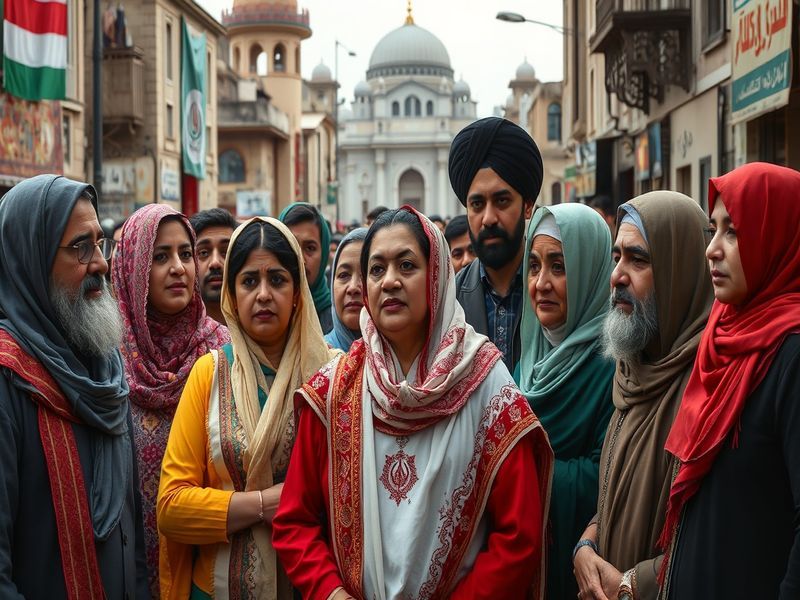
Today, the Iranian identity is multifaceted, encompassing various ethnic groups, languages, and religions. The primary ethnic group is Persian, but significant populations of Azerbaijanis, Kurds, Arabs, and others contribute to the nation’s diversity. This mosaic of cultures creates a unique social fabric that shapes the modern Iranian experience.
Historical Context
Iran’s history is marked by periods of great achievement and profound turmoil. The Achaemenid Empire, founded by Cyrus the Great, is often celebrated for its advancements in governance and culture. However, the 20th century brought significant challenges, including foreign intervention, the 1979 Islamic Revolution, and ongoing geopolitical tensions.
These historical events have significantly influenced contemporary Iranian identity. The 1979 Revolution, which replaced the monarchy with a theocratic regime, reshaped the political landscape and had a lasting impact on Iranian society. The revolution’s aftermath led to isolation from the West and a focus on developing an independent national identity.
Current Political Climate
Today, Iran’s political environment is characterized by a complex interplay of power between theocratic authorities and secular movements. The government’s actions, particularly regarding human rights and freedom of expression, often draw international criticism. These issues are compounded by sanctions and diplomatic isolation, which have significant implications for the Iranian populace.
Despite these challenges, many Iranians remain resilient. Grassroots movements advocating for social reform and greater freedoms continue to emerge. The youth, in particular, play a crucial role in shaping public discourse and challenging the status quo. Their engagement with technology and social media has opened new avenues for expression and activism.
Implications for the Future
The future of Iran hinges on several factors, including domestic policies, international relations, and the aspirations of its younger generations. As the nation grapples with its identity, there are key points to consider:
- Demographic Shifts: A significant portion of Iran’s population is under 30, leading to a demand for change and modernization.
- International Relations: Iran’s relationship with Western nations remains contentious, impacting economic stability and global standing.
- Cultural Expression: The desire for cultural freedom is palpable, with many Iranians pushing against restrictive norms.
- Economic Challenges: Sanctions have led to economic hardship, prompting calls for reform and better governance.
As these elements converge, the potential for change in Iran becomes increasingly apparent. The younger generation’s aspirations for a more open society may lead to transformative shifts in both culture and politics. However, the path forward is fraught with challenges, and the outcome remains uncertain.
Conclusion
Understanding the complexities of Iranian identity requires an appreciation of its historical context, current political climate, and the aspirations of its people. As Iran continues to navigate its unique challenges, the interplay of tradition and modernity will shape its future. The resilience and determination of its citizens, particularly the youth, may ultimately pave the way for a more inclusive and dynamic society.
For those interested in exploring more about the culture and political dynamics in Iran, visit our Culture and News sections for further insights.