How Trump’s Policies Reshaped the TSA Over Four Years
The Transportation Security Administration (TSA) has been a frequent flashpoint in political debates, particularly during the administration of President Donald Trump. From personnel changes to policy reversals, the TSA has experienced significant shifts under Trump’s leadership and subsequent critiques from his supporters and detractors. This article examines the key moments, controversies, and lasting impacts of Trump’s relationship with the TSA.
Early Criticism and Public Feuds
Long before Trump took office, he was a vocal critic of the TSA. In 2015, he tweeted that airport security was a “total disaster” and a “humiliation,” arguing that screeners were ineffective and invasive. His complaints aligned with broader conservative skepticism about government agencies, particularly those involved in security and immigration enforcement.
During the 2016 presidential campaign, Trump frequently mentioned the TSA in speeches, often as part of his broader critique of bureaucratic inefficiency. He promised to “make our airports safe again,” though his proposals lacked specificity. Once in office, his administration’s approach to the TSA would reflect a mix of personnel changes and operational adjustments that often prioritized speed over scrutiny.
Personnel Changes and Leadership Shifts
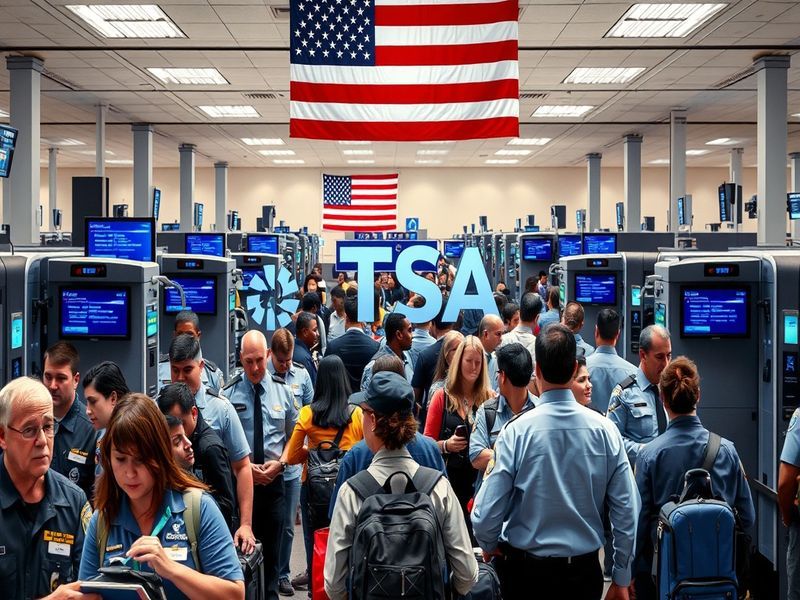
Trump’s first TSA administrator, John Kelly, had previously served as the head of the Department of Homeland Security (DHS). Kelly’s tenure was marked by efforts to streamline TSA operations, including the expansion of the TSA PreCheck program, which allowed pre-approved travelers to bypass standard screening. This move was seen as a nod to Trump’s business-friendly approach, reducing wait times for frequent flyers—a constituency Trump often courted.
However, Kelly’s successor, David Pekoske, faced a different set of challenges. Appointed in 2017, Pekoske oversaw a period of heightened security measures, including stricter screening for domestic flights—a response to evolving threats. Yet, Trump’s public comments about the TSA remained inconsistent. He praised the agency when it aligned with his priorities, such as cracking down on illegal immigration, but criticized it when delays at airports became a political liability.
- John Kelly (2017): Focused on efficiency, expanded PreCheck.
- David Pekoske (2017–2019): Increased domestic screening amid rising threats.
- Interim leadership (2019–2020): Political appointees clashed with career staff over policy direction.
Policy Reversals and Public Perception
One of the most contentious issues during Trump’s presidency was the handling of airport security for domestic flights. In 2018, the TSA introduced stricter screening protocols for domestic travel, including enhanced pat-downs and random bag checks. Critics argued these measures were redundant, as most domestic threats were already addressed by existing protocols. Supporters, however, saw them as necessary precautions in an era of evolving terrorism tactics.
Trump’s relationship with the TSA also intersected with his broader immigration policies. In 2017, his travel ban targeting several predominantly Muslim countries led to increased scrutiny at airports, including those operated by the TSA. While the agency itself did not enforce the ban, its screeners were often caught in the crossfire of protests and legal challenges.
The pandemic further complicated the TSA’s role under Trump. As air travel plummeted in 2020, the agency faced staffing shortages and operational challenges. Trump’s dismissive attitude toward COVID-19 mitigation measures, such as mask mandates, created friction with TSA officers who were tasked with enforcing federal guidelines on flights.
The Legacy of Trump’s TSA Policies
By the end of Trump’s presidency, the TSA had undergone significant changes, both in policy and public perception. His administration’s emphasis on efficiency—often at the expense of thoroughness—left a mixed legacy. While PreCheck expanded under his watch, so did concerns about racial profiling and inconsistent enforcement of security protocols.
For many travelers, the TSA under Trump became synonymous with long lines, inconsistent rules, and a sense of unpredictability. His frequent public criticisms of the agency also eroded trust among career employees, who often felt caught between political directives and professional standards.
Looking ahead, the TSA faces new challenges, from emerging threats to technological advancements like facial recognition. Yet, the debates sparked during Trump’s tenure—about efficiency, privacy, and the role of government in security—remain unresolved. As the agency continues to evolve, its relationship with future administrations will likely shape its next chapter.
For those interested in the broader implications of security policies, our Politics section offers further analysis. Additionally, our Travel category covers related topics on navigating airport security and travel trends.
The intersection of Donald Trump and the TSA is more than a political footnote; it reflects deeper questions about the balance between security, efficiency, and public trust. As these debates continue, the TSA’s role in American life will remain a critical—and contentious—part of the national conversation.