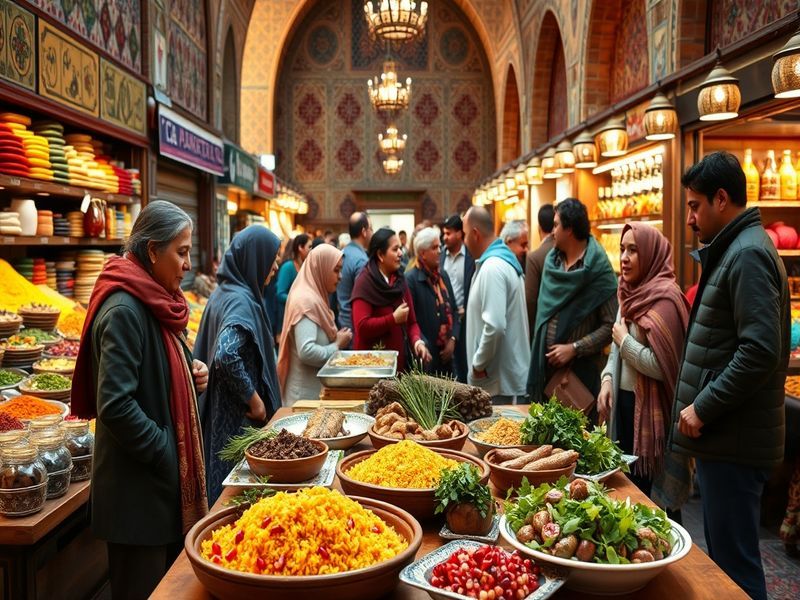
Exploring Iranian Culture, Politics, and Cuisine
Understanding Iranian Culture
Iran, a country rich in history and cultural heritage, stands at the crossroads of tradition and modernity. From its ancient Persian roots to its contemporary society, Iranian culture is a tapestry woven with diverse influences. The richness of Persian literature, art, and architecture continues to inspire many around the globe.
The Iranian New Year, known as Nowruz, is a significant celebration that marks the arrival of spring. It is not merely a holiday but a reflection of Iranian values, such as family, renewal, and hope. This festival showcases various customs, including:
- Setting up the Haft-Seen table, which includes seven symbolic items.
- Visiting family and friends to exchange gifts and well-wishes.
- Participating in outdoor activities to celebrate the arrival of spring.
The Political Landscape of Iran
The political environment in Iran is complex and often contentious. The Islamic Republic, established in 1979, has faced numerous challenges both internally and externally. Domestically, there has been significant unrest, particularly among the youth who seek greater freedoms and reforms.
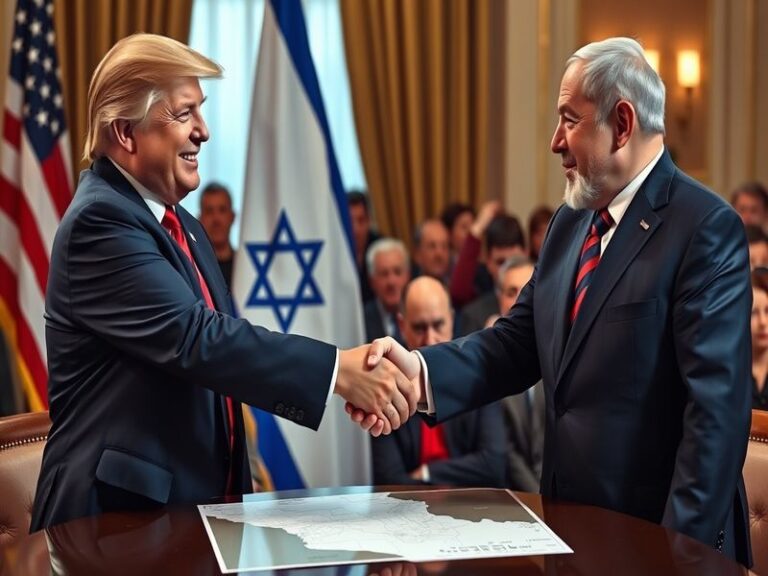
Internationally, Iran’s relationships with various countries have been strained, primarily due to its nuclear program and regional policies. The ongoing negotiations with world powers illustrate the delicate balance Iran must maintain in its quest for both security and economic stability.
Iranian Cuisine: A Culinary Journey
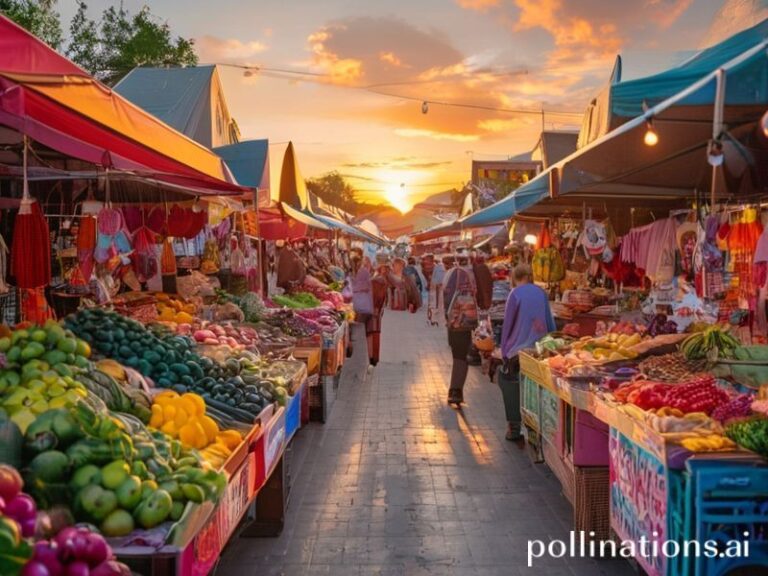
Iranian cuisine is a delightful blend of flavors, colors, and aromas. It reflects the country’s diverse geography and climate, which allows for a variety of ingredients. Traditional dishes often feature rice, meats, vegetables, and an array of spices, creating a unique gastronomic experience.
Some popular Iranian dishes include:
- Chelo Kebab: Grilled meat served with saffron rice.
- Fesenjan: A rich stew made with pomegranate and walnuts.
- Ghormeh Sabzi: A herb stew with kidney beans and lamb.
These dishes not only highlight the culinary skills of Iranian chefs but also tell stories of tradition and family gatherings. Meals are often shared among family and friends, emphasizing the importance of community.
The Arts and Literature of Iran
Iran has a long-standing tradition of arts and literature that dates back thousands of years. Persian poets like Rumi and Hafez have left an indelible mark on the literary world, with their works transcending borders and languages. Their poetry often explores themes of love, spirituality, and the human condition.
In addition to literature, Iranian art encompasses various forms, including calligraphy, painting, and carpet weaving. Each art form carries its own significance within Iranian culture, often reflecting historical events and societal values.
The intricate designs found in Persian carpets are a testament to the craftsmanship that has been passed down through generations. They serve not just as decorative pieces but as symbols of cultural identity and pride.
Conclusion
Iran is a multifaceted country with a rich cultural heritage and a complex socio-political landscape. From its vibrant traditions and exquisite cuisine to its profound literary contributions, Iran continues to captivate the imagination of those who seek to understand its essence. As the nation navigates its challenges, the resilience and creativity of its people remain a beacon of hope for the future.
For those looking to explore more about Iranian culture and politics, visit our Culture and News sections for in-depth articles and insights.