pumas – américa
Pumas – América: The Clásico Capitalino Through the Decades
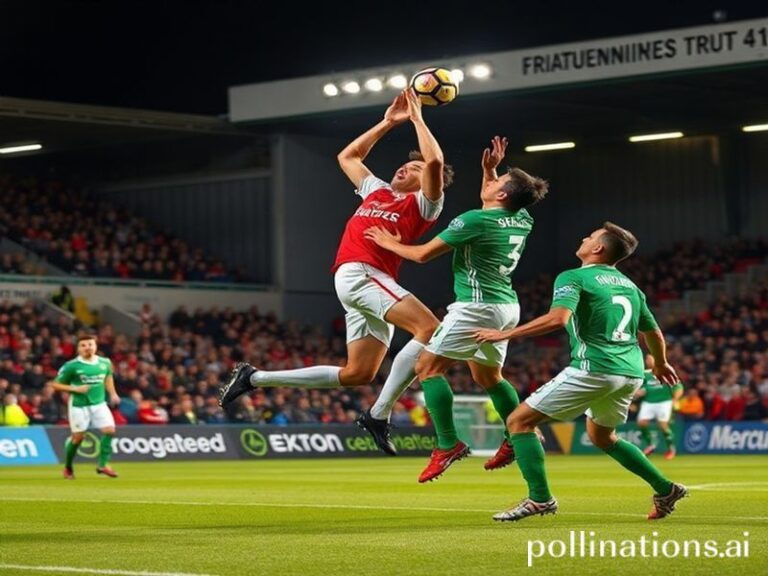
The rivalry between Club Universidad Nacional, commonly known as Pumas, and Club de Fútbol América is more than just a football match. It represents a clash of ideologies, generations, and identities that have shaped Mexico City’s sporting landscape since the mid-20th century. While both clubs share the same metropolitan stage, their origins and fanbases tell distinct stories—one tied to academic prestige, the other to corporate ambition.
Pumas emerged in 1954 as the football team of the National Autonomous University of Mexico (UNAM), reflecting the intellectual and progressive values of its student body. América, founded in 1916, became the emblem of Mexico’s elite football culture, backed by powerful interests and a legacy of domestic dominance. These contrasting foundations have fueled a rivalry that extends beyond the pitch, embedding itself in the social fabric of Mexico’s capital.
The Historical Roots of a Fierce Competition
The first official match between Pumas and América took place in 1962, marking the beginning of what would become one of Latin America’s most intense football rivalries. While América quickly established itself as a powerhouse in Mexican football, winning multiple league titles in the 1960s and 1970s, Pumas remained a symbol of underdog resilience. Their breakthrough came in 1977 when they claimed their first league championship, defeating América in the playoff semifinals—a result that ignited the passion of their fanbase and announced their arrival on the national stage.
Throughout the 1980s and 1990s, the rivalry intensified. Pumas, led by iconic figures like Hugo Sánchez and later Luis García, became known for their attacking style and youth development system, while América reinforced its reputation as a team of stars and high-profile signings. Matches between the two often carried political and social undertones, with fans using the games to assert their cultural pride—whether through chants, banners, or symbolic gestures.
The Fan Culture: Barrios, Symbols, and Identity
The passion surrounding Pumas and América transcends mere sporting allegiance. It reflects the socio-economic and cultural divides within Mexico City itself. Pumas supporters, often associated with the university’s intellectual and left-leaning communities, are known for their creative chants, colorful tifos, and a deep connection to the club’s academic roots. The Estadio Olímpico Universitario, Pumas’ fortress, becomes a sea of blue and gold on matchdays, echoing the colors of UNAM’s identity.
In contrast, América’s fanbase spans a broader demographic, with many supporters drawn to the club’s history of success and its association with media and business elites. The Estadio Azteca, one of the world’s largest stadiums, becomes a cauldron of red, white, and blue, reflecting both the club’s massive following and its corporate influence. The rivalry’s intensity is amplified by these cultural distinctions, making each encounter a microcosm of Mexico City’s complex social tapestry.
Notable fan traditions include:
- La Ola Azul: Pumas supporters often orchestrate massive stadium waves, synchronized chants, and coordinated card stunts to intimidate opponents and energize their team.
- La Mentalidad de Campeón: América fans frequently emphasize their club’s “champion mentality,” pointing to their record 14 league titles as proof of their pedigree.
- Barrio Rivalries: Neighborhoods in Mexico City often align with one club or the other, turning local streets into battlegrounds of pride and debate on matchdays.
Global Reach and the Evolution of a Cross-Border Phenomenon
While the Pumas – América rivalry is deeply rooted in Mexican football culture, its influence has extended beyond national borders. With millions of Mexican expatriates and football enthusiasts across the United States, Canada, and Europe, the Clásico Capitalino has become a global spectacle. Major matches are broadcast internationally, drawing audiences in the hundreds of thousands and sparking discussions on social media platforms worldwide.
In recent years, the rivalry has also gained attention in the context of broader Latin American football narratives. As clubs from Mexico compete in continental tournaments like the CONCACAF Champions Cup, the Pumas – América dynamic serves as a microcosm of the region’s footballing ambitions. Pumas’ run to the 2021 CONCACAF Champions Cup final, where they faced Monterrey, and América’s consistent presence in continental competitions highlight the enduring relevance of both clubs on the international stage.
Moreover, the rivalry has inspired artistic and cultural expressions, from murals in Mexico City’s metro stations to documentaries and podcasts exploring its social significance. The Clásico Capitalino is not just a football match; it is a cultural export that resonates with audiences who see in it reflections of their own identities and struggles.
Beyond the Pitch: The Broader Impact of the Rivalry
The Pumas – América rivalry extends its influence into areas far beyond sports. It has been a platform for political commentary, with fans using matches to voice dissent against government policies or social injustices. During Mexico’s 1968 student protests, which culminated in the Tlatelolco massacre, football stadiums—including the Estadio Olímpico—became symbols of both repression and resistance. While the rivalry itself predates these events, its cultural resonance has made it a vehicle for broader social commentary.
Economically, the rivalry drives significant revenue for Mexican football. High attendance, merchandise sales, and media rights for Clásico Capitalino matches contribute substantially to the financial health of both clubs. América, in particular, has leveraged its global brand to secure lucrative sponsorship deals and international partnerships, while Pumas has maintained a focus on youth development and community engagement.
For younger generations, the rivalry represents an introduction to football’s emotional and cultural depth. Many Mexican footballers cite watching Pumas – América matches as a formative experience, shaping their understanding of the sport’s power to unite and divide. The rivalry also serves as a reminder of football’s role in fostering national identity, especially in a country where the sport is deeply intertwined with history and politics.
As Mexican football continues to evolve, the Pumas – América rivalry remains a cornerstone of its identity. Whether through thrilling on-field action, passionate fan displays, or its broader cultural significance, the Clásico Capitalino endures as a testament to the power of football to reflect and shape society.
For fans and observers alike, the rivalry is a reminder that football is more than a game. It is a living narrative, one that continues to unfold with every match, every chant, and every moment of brilliance on the pitch.
Explore more about football culture and rivalries in our Sports and Culture sections.