The Mandalorian: An Exploration of Themes and Impact
The Mandalorian: A New Chapter in Star Wars Storytelling
The Mandalorian, a series set in the expansive Star Wars universe, has emerged as a significant cultural touchstone since its debut on Disney+ in November 2019. With its unique blend of classic Western motifs and science fiction elements, the show has captivated audiences around the globe. This article explores the show’s themes, character development, and its impact on popular culture.
The Plot and Characters
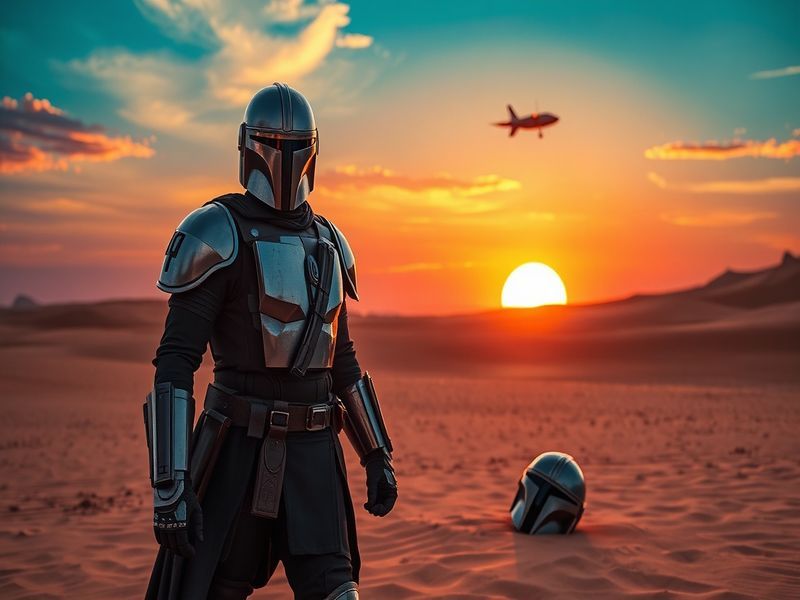
The Mandalorian follows the journey of Din Djarin, a lone bounty hunter navigating the outer reaches of the galaxy after the fall of the Empire. Set five years after the events of Return of the Jedi, the series delves into themes of identity, loyalty, and the struggle between good and evil. Din’s character, portrayed by Pedro Pascal, is shaped by his adherence to the Mandalorian creed, which emphasizes honor and tradition.
One of the most captivating aspects of the show is the introduction of Grogu, affectionately known as “Baby Yoda” by fans. Grogu’s presence adds depth to the narrative, as Din evolves from a solitary figure into a protective father figure. Their dynamic resonates with viewers, showcasing the power of connection and companionship.
Global Reception and Cultural Impact
The Mandalorian has been received with critical acclaim and commercial success worldwide. The series has not only revitalized interest in the Star Wars franchise but also introduced new storytelling techniques that appeal to a diverse audience. Here are a few reasons for its global appeal:
- Diverse Storytelling: The series incorporates various genres, from Westerns to samurai films, creating a rich narrative tapestry.
- Relatable Themes: The exploration of fatherhood, loyalty, and personal redemption strikes a chord with audiences from different backgrounds.
- Visual Mastery: The innovative use of technology, including the StageCraft virtual production system, enhances the visual experience, making it accessible to fans worldwide.
The show’s success can also be attributed to its strong merchandising strategy. Characters like Grogu have become icons in their own right, leading to a surge in merchandise sales. This phenomenon reflects how the series has transcended traditional media, becoming a part of everyday life for many fans.
Analytical Perspectives
From a critical standpoint, The Mandalorian can be analyzed through various lenses. Scholars and fans alike have explored its connections to mythology and folklore. The narrative structure often mirrors the hero’s journey, a concept introduced by Joseph Campbell. Din’s transformation from a bounty hunter to a protector aligns with the archetype of the reluctant hero, highlighting the universal struggle for identity and purpose.
Moreover, the series engages with contemporary issues such as immigration and belonging. Din’s travels through different planets and encounters with various cultures reflect real-world dynamics, prompting viewers to consider their perspectives on these matters. This aspect of the show adds a layer of depth, encouraging audiences to engage with the story on a more profound level.
Conclusion
The Mandalorian stands as a testament to the enduring appeal of the Star Wars franchise. Its ability to weave together rich narratives, relatable themes, and innovative technology has set a new standard for storytelling in the realm of science fiction. As the series continues to evolve, it will be interesting to see how it influences future projects within the Star Wars universe and beyond.
For those interested in exploring similar topics, check out our Culture and Entertainment sections for more insights and discussions.