Why the College Basketball Tournament Matters Beyond U.S. Courts
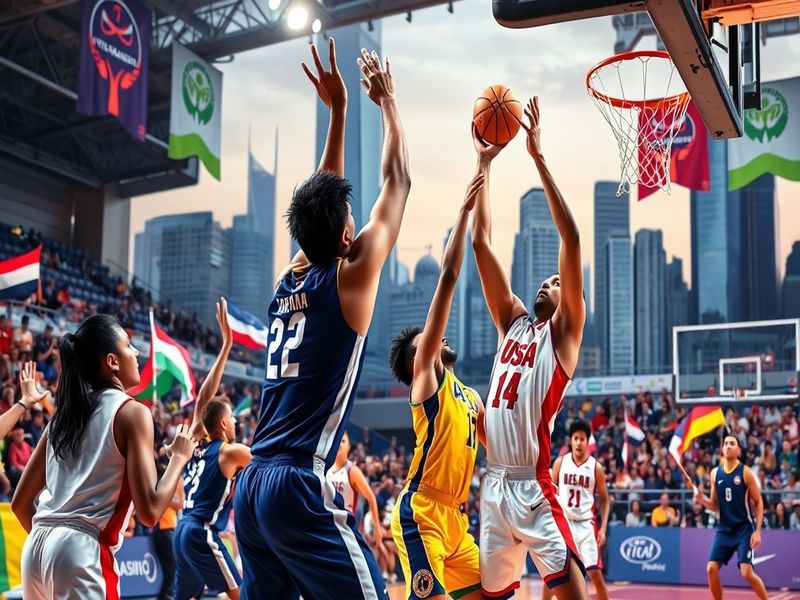
The college basketball tournament, affectionately known as March Madness, has grown far beyond its origins in the United States. What began as a regional competition in the early 20th century has transformed into a global spectacle, drawing attention from sports fans worldwide. The tournament’s blend of drama, unpredictability, and youthful athleticism has resonated across continents, creating a cultural bridge between American traditions and international audiences.
While the tournament’s roots are deeply embedded in NCAA history, its influence now extends to basketball hotbeds in Europe, Asia, and beyond. International players who once competed in college basketball are now household names, and their journeys have inspired a new generation of athletes worldwide. The tournament’s reach is a testament to the global appeal of basketball and the power of college sports as a platform for athletic development.
The Evolution of a Cultural Institution
The NCAA Division I Men’s Basketball Tournament began in 1939 with just eight teams. Today, it features 68 teams in a single-elimination format, broadcast to millions of viewers in over 200 countries. The tournament’s expansion reflects the growing popularity of college basketball, both domestically and internationally. As the stakes have risen, so too has the level of competition, with programs investing heavily in recruitment, facilities, and player development.
The tournament’s format is unique, with four regional brackets culminating in the Final Four. This structure ensures that every game carries significance, creating a narrative that unfolds over three weeks. The unpredictability of March Madness—where underdogs often triumph—has made it a cultural touchstone in the United States. But its appeal is not confined to American audiences; the tournament’s global reach is evident in the diverse backgrounds of the players and coaches involved.
For example, players from countries like Canada, Australia, and Germany have become stars in the NCAA, using the platform to showcase their talent before potentially entering the NBA. This international presence has enriched the tournament, adding layers of competition and storytelling that resonate with fans worldwide.
International Players and the Globalization of College Basketball
The college basketball tournament has become a proving ground for international talent. In recent years, players from Europe, Africa, and Australia have made significant impacts on the sport. Luka Dončić, the Slovenian superstar, famously won MVP as a teenager during his lone season at Southern Methodist University (SMU) before becoming an NBA All-Star. His success story is just one example of how the tournament serves as a launching pad for global basketball careers.
Other international stars who have left their mark include Victor Wembanyama, the French phenom who dominated the 2022-23 season at San Antonio’s G League Ignite before being selected first overall in the NBA Draft. While Wembanyama did not play in the NCAA tournament, his journey underscores the growing pipeline of international talent entering top-tier basketball programs.
Europe, in particular, has become a fertile ground for recruiting international players. Programs like Gonzaga University have built their success on recruiting talent from Canada and Europe, creating a model that other colleges are now emulating. This shift has not only elevated the level of play but also expanded the tournament’s fanbase internationally.
The NCAA has also taken steps to globalize its reach. In 2023, the organization announced plans to host regular-season games in Europe, starting with a matchup between Gonzaga and Michigan State in London. This initiative aims to strengthen the tournament’s international presence and create new opportunities for players and fans alike.
The Economic and Cultural Impact of March Madness
March Madness is more than just a sporting event; it is a cultural and economic phenomenon. In the United States, the tournament generates billions of dollars in revenue through broadcasting rights, sponsorships, and merchandise sales. The NCAA’s deal with CBS and Turner Sports, worth $8.8 billion over 14 years, underscores the tournament’s financial significance.
But the economic impact extends beyond the U.S. The tournament’s global broadcasts attract advertisers and sponsors from around the world, from Japanese corporations to European sports brands. For example, Nike and Adidas have leveraged the tournament’s international appeal to promote their products in markets where basketball is growing in popularity.
The cultural impact of March Madness is equally profound. The tournament has inspired countless traditions, from office pools to watch parties, which have spread to other countries. In countries like the Philippines and Mexico, where basketball is already a passion, the tournament has become a focal point for sports enthusiasts. Local broadcasters often provide live coverage, and social media buzzes with reactions to upsets and Cinderella stories.
The tournament also plays a role in shaping basketball culture globally. Coaches and players from outside the U.S. study NCAA strategies and adapt them to their own systems. For instance, the emphasis on three-point shooting in college basketball has influenced international teams to prioritize perimeter play. This cross-pollination of ideas has elevated the global game, making it more dynamic and unpredictable.
Why the Tournament Matters Beyond the Court
The college basketball tournament is more than a series of games; it is a reflection of broader trends in sports, education, and society. For student-athletes, the tournament represents the culmination of years of hard work and dedication. It is a platform where young players can showcase their talents on a global stage, often while pursuing their academic goals.
The tournament also highlights the role of college sports in American higher education. Programs like Duke University and the University of North Carolina have leveraged their basketball success to enhance their global reputations. The revenue generated from the tournament funds scholarships, facilities, and other resources that benefit student-athletes and non-athletes alike.
On a global scale, the tournament fosters connections between cultures. Players from different countries come together to compete, forming bonds that extend beyond the court. These relationships often lead to collaborations in international competitions, such as the Olympics and FIBA World Cup, where teams with NCAA experience have achieved great success.
The tournament’s ability to unite people across borders is perhaps its most enduring legacy. Whether it’s a fan in Tokyo cheering for a team from a small American town or a coach in Spain studying an NCAA playbook, the college basketball tournament transcends borders, making it a truly global event.
Key Takeaways
- The NCAA Division I Men’s Basketball Tournament has evolved from a regional competition into a global spectacle.
- International players have become integral to the tournament’s success, enriching the competition and expanding its fanbase.
- The economic and cultural impact of March Madness extends far beyond the United States, influencing global basketball trends and traditions.
- The tournament serves as a platform for student-athletes to showcase their talents while pursuing academic goals.
- March Madness fosters cultural connections and cross-pollination of ideas, elevating the global game of basketball.
Looking Ahead
The future of the college basketball tournament is bright. With the NCAA’s commitment to global expansion and the continued influx of international talent, the tournament’s influence will only grow. Fans around the world can expect more drama, more storylines, and more moments that capture the spirit of competition.
For those looking to dive deeper into the world of college basketball, Sports on Dave’s Locker offers comprehensive coverage of the latest news, analysis, and trends shaping the game. Whether you’re a casual fan or a die-hard enthusiast, there’s always more to discover about this iconic tournament.
As the tournament continues to evolve, one thing is certain: March Madness will remain a celebration of athleticism, culture, and global unity for years to come.