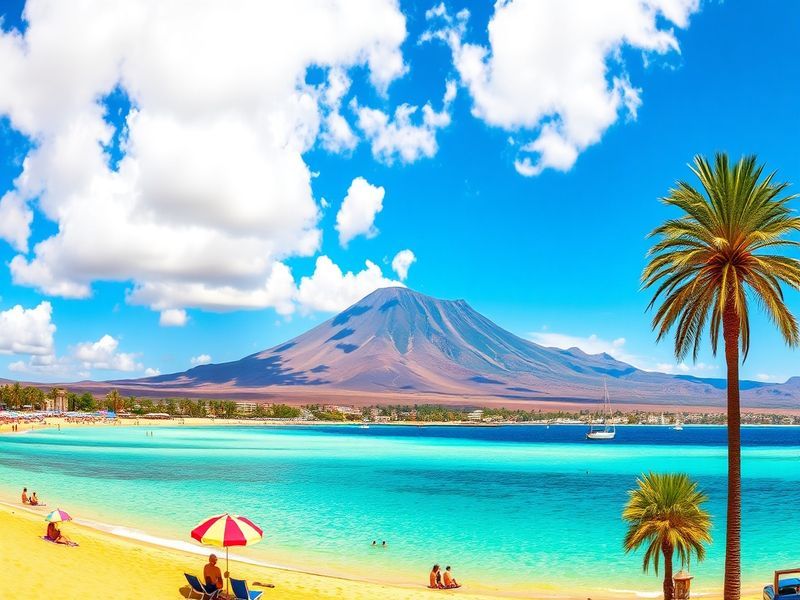
Tenerife Canary Islands Weather: A Comprehensive Overview
Understanding Tenerife’s Climate
Tenerife, the largest of the Canary Islands, is renowned for its pleasant weather year-round. Its subtropical climate makes it an attractive destination for tourists seeking sun and warmth, regardless of the season. The island experiences mild temperatures, with variations influenced by its diverse geography. From coastal beaches to mountainous terrains, Tenerife offers a unique climate experience.
Seasonal Weather Patterns
The weather in Tenerife can be categorized into distinct seasons: winter, spring, summer, and autumn. Each season exhibits its own characteristics, making it essential for visitors to understand what to expect during their stay.
- Winter (December to February): Average temperatures range from 15°C to 22°C. This season is popular among tourists seeking to escape colder climates.
- Spring (March to May): Temperatures begin to rise, ranging from 16°C to 24°C. The island blooms with flowers, creating a vibrant landscape.
- Summer (June to August): The hottest season, with temperatures reaching up to 30°C. Coastal areas see more tourists, while the mountainous regions remain cooler.
- Autumn (September to November): Average temperatures decrease slightly, ranging from 17°C to 26°C. This is often considered the best time to visit due to fewer crowds and pleasant weather.
Microclimates Across the Island
Tenerife’s geography contributes to the existence of microclimates, where different areas of the island experience varying weather conditions. The north and south of the island showcase stark contrasts.
The southern region, including popular tourist spots like Playa de las Américas, typically enjoys sunnier and drier conditions. In contrast, the northern part, home to Santa Cruz and La Laguna, can be cooler and cloudier. The Teide National Park, situated in the center, can experience snow at higher altitudes, even during summer months.
Factors Influencing Weather
Several factors play a role in Tenerife’s weather dynamics. The island’s elevation is significant; as altitude increases, temperatures drop. The trade winds also affect the climate, bringing moisture to the northern side while the southern regions remain shielded.
Additionally, the presence of the Atlantic Ocean moderates temperatures, preventing extremes. This results in a generally stable climate, making Tenerife an appealing choice for year-round visits.
Best Time to Visit Tenerife
Choosing the ideal time to visit Tenerife depends on personal preferences and desired activities. For sun-seekers, the summer months provide the warmest temperatures and longest days. However, those looking to avoid crowds might prefer the shoulder seasons of spring and autumn.
For adventure enthusiasts, winter offers opportunities for skiing on Mount Teide, while the warmer months are perfect for hiking, beach activities, and exploring the island’s rich biodiversity.
Travel Tips for Weather Preparedness
To make the most of your trip to Tenerife, consider the following tips:
- Pack layers: The temperature can vary significantly between the coast and the mountains.
- Stay hydrated: The warm weather, especially in summer, can lead to dehydration.
- Check the forecast: Weather conditions can change, particularly in mountainous areas.
- Plan for sun protection: Even in winter, the sun can be intense, so sunscreen is essential.
Conclusion
Tenerife’s diverse weather patterns and microclimates create a unique travel experience. Understanding the island’s seasonal variations can help visitors plan their trips more effectively. Whether you’re looking for beach relaxation, hiking adventures, or cultural exploration, Tenerife offers something for everyone throughout the year. For more insights into travel destinations, visit our Travel section or explore other Analysis articles for a deeper understanding of various locales.