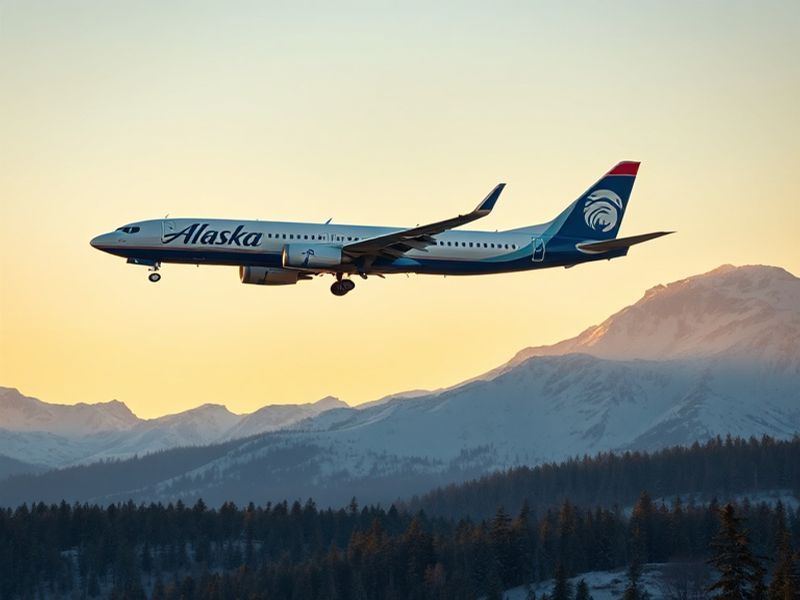
Alaska Airlines: Why This West Coast Carrier Stands Out in 2024
“`html
Alaska Airlines: More Than Just a West Coast Carrier
Alaska Airlines has quietly built a reputation as one of the most reliable carriers in the United States. While it may not receive the same level of attention as major network airlines, its consistent performance and customer-focused approach have earned it a loyal following. The airline, headquartered in Seattle, Washington, operates a fleet of over 300 aircraft, serving more than 120 destinations across the U.S., Mexico, Canada, and Costa Rica.
What sets Alaska Airlines apart is its commitment to operational excellence and innovation. In an industry often criticized for delays and cancellations, Alaska has consistently ranked among the top airlines for on-time performance. This reliability has made it a preferred choice for travelers who prioritize punctuality and service quality over flashy perks or ultra-low fares.
The Evolution of Alaska Airlines: From Regional Player to Industry Leader
Alaska Airlines traces its roots back to 1932, when it was founded as McGee Airways in Anchorage, Alaska. Over the decades, it grew from a small regional carrier into a major airline, thanks in part to strategic acquisitions and partnerships. One of its most significant moves came in 2016 when it merged with Virgin America, a deal that expanded its route network and modernized its fleet with Airbus A320-family aircraft.
The merger with Virgin America was a turning point. While Alaska Airlines had long been associated with the Pacific Northwest, the acquisition allowed it to compete more effectively on transcontinental routes. Today, the airline operates a mixed fleet of Boeing and Airbus jets, offering passengers a blend of efficiency and comfort. This diversity in aircraft types also helps Alaska Airlines manage costs and adapt to different market demands.
Another key milestone was the introduction of its Mileage Plan loyalty program, which has become one of the most valuable in the industry. Members benefit from flexible redemption options, no blackout dates, and partnerships with major hotel chains and car rental companies. The program’s simplicity and generosity have made it a favorite among frequent flyers, further solidifying Alaska Airlines’ reputation as a customer-centric airline.
Customer Service and Operational Excellence: The Alaska Airlines Difference
Alaska Airlines has long been recognized for its exceptional customer service. In 2023, it was ranked as the best airline in North America by TripAdvisor, a testament to its commitment to passenger satisfaction. The airline’s approach to customer service goes beyond mere politeness; it focuses on solving problems efficiently and proactively communicating with travelers.
One of the ways Alaska Airlines achieves this is through its investment in technology. The airline’s mobile app is consistently rated among the best in the industry, offering features like real-time flight tracking, mobile boarding passes, and seamless check-in options. Passengers can also use the app to receive personalized notifications, such as gate changes or baggage claim updates, which reduce stress and improve the travel experience.
The airline’s operational excellence is another standout feature. According to the U.S. Department of Transportation’s Air Travel Consumer Report, Alaska Airlines had the fewest cancellations and the highest on-time performance among U.S. carriers in 2022. This consistency is particularly impressive given the challenges faced by the airline industry in recent years, including staffing shortages and supply chain disruptions.
Alaska Airlines also prioritizes sustainability, another area where it leads the industry. The airline has committed to achieving net-zero carbon emissions by 2040, a goal that includes fleet modernization, sustainable aviation fuel (SAF) usage, and operational efficiency improvements. In 2021, it became the first U.S. airline to join the Travel industry’s “Race to Zero” campaign, demonstrating its dedication to environmental responsibility.
Route Network and Partnerships: Connecting the Pacific Northwest and Beyond
Alaska Airlines’ route network is a blend of short-haul and long-haul flights, with a strong focus on the West Coast. Its hubs in Seattle, Portland, and Anchorage serve as gateways to destinations across North America, Mexico, and beyond. The airline’s partnership with American Airlines further extends its reach, allowing passengers to book connecting flights on one ticket and earn miles across both airlines’ networks.
The airline’s international routes include popular destinations like Mexico City, London, and Sydney, catering to both leisure and business travelers. In recent years, Alaska Airlines has also expanded its service to smaller markets, such as Boise, Idaho, and Spokane, Washington, reinforcing its role as a key player in regional air travel.
One of the airline’s most unique offerings is its “Premium Class” service on select routes. This upgraded experience includes extra legroom, priority boarding, and enhanced dining options, providing a taste of luxury without the full cost of first class. For travelers looking for a more comfortable journey, this option has become increasingly popular.
Alaska Airlines also operates a robust cargo division, transporting goods across its network. The airline’s cargo services are particularly valuable for businesses in Alaska and the Pacific Northwest, where air freight is often the most efficient shipping method. In 2022, Alaska Airlines Cargo handled over 200 million pounds of freight, highlighting its role in supporting regional and national commerce.
The Future of Alaska Airlines: Challenges and Opportunities
As Alaska Airlines looks to the future, it faces both challenges and opportunities. One of the biggest challenges is the ongoing labor shortage in the aviation industry. Like many airlines, Alaska has had to adjust its operations to accommodate staffing shortages, which has occasionally led to delays or cancellations. However, the airline has taken proactive steps to address this issue, including offering competitive wages and benefits to attract and retain employees.
Another challenge is the rising cost of fuel, which has put pressure on airlines to find more sustainable and cost-effective solutions. Alaska Airlines is addressing this by investing in fuel-efficient aircraft and exploring alternative fuels. In 2023, it became the first U.S. airline to operate a commercial flight using 100% sustainable aviation fuel (SAF) on a long-haul route. This milestone demonstrates the airline’s commitment to reducing its environmental impact while also mitigating fuel price volatility.
Despite these challenges, Alaska Airlines is well-positioned for growth. The airline’s strong brand loyalty, operational reliability, and customer-centric approach give it a competitive edge in a crowded market. Additionally, its partnerships with other airlines, such as American Airlines and Qantas, allow it to offer more destinations and better connectivity for passengers.
Looking ahead, Alaska Airlines is also focusing on expanding its presence in Hawaii, a market where it has seen significant demand. In 2023, the airline announced new routes from Seattle and Portland to Honolulu and other Hawaiian islands, further solidifying its role as a key player in Pacific air travel. These routes not only cater to leisure travelers but also support business travel and cargo shipments between the mainland and the islands.
Conclusion: Why Alaska Airlines Stands Out
Alaska Airlines may not be the largest or most well-known airline in the U.S., but it has carved out a niche as a reliable, customer-focused carrier with a strong commitment to sustainability and innovation. Its operational excellence, exceptional customer service, and strategic partnerships have earned it a loyal customer base and industry recognition.
As the airline industry continues to evolve, Alaska Airlines is poised to remain a leader by staying true to its values: putting customers first, investing in technology, and prioritizing sustainability. Whether you’re a frequent flyer or planning a leisure trip, Alaska Airlines offers an experience that’s hard to match.
For travelers looking for an airline that delivers on its promises, Alaska Airlines is a name you can trust.