manaus
“`html
Manaus: Where the Amazon Meets Urban Ambition
Nestled deep in the heart of the Amazon rainforest, Manaus stands as a remarkable paradox—a bustling metropolis thriving amid one of the world’s most biodiverse yet isolated ecosystems. With a population exceeding 2 million, this Brazilian city serves as the capital of Amazonas state, bridging the gap between untamed wilderness and modern development. Manaus isn’t just a gateway to the Amazon; it’s a cultural and economic hub that defies expectations of what a city in the world’s largest rainforest can be.
The Historical Roots of Manaus
Manaus was founded in 1669 as a Portuguese fort named Forte de São José da Barra do Rio Negro. Its strategic location at the confluence of the Negro and Amazon rivers made it a vital outpost for colonial trade. The city’s fortunes shifted dramatically in the late 19th century during the rubber boom, when Manaus became one of the wealthiest cities in the world. The opulence of that era is still visible in the grand Teatro Amazonas, a stunning opera house built in 1896 with materials imported from Europe. Italian marble, French glass, and British ironwork came together to create a symbol of Manaus’ fleeting prosperity.
The rubber boom collapsed in the early 20th century, plunging the city into economic decline. For decades, Manaus remained isolated, accessible only by boat or plane. It wasn’t until the 1960s, when Brazil’s military government established the Manaus Free Trade Zone, that the city began its modern revival. This economic initiative attracted industries, particularly electronics and manufacturing, to the area, transforming Manaus into an industrial powerhouse despite its remote location.
A City of Contrasts
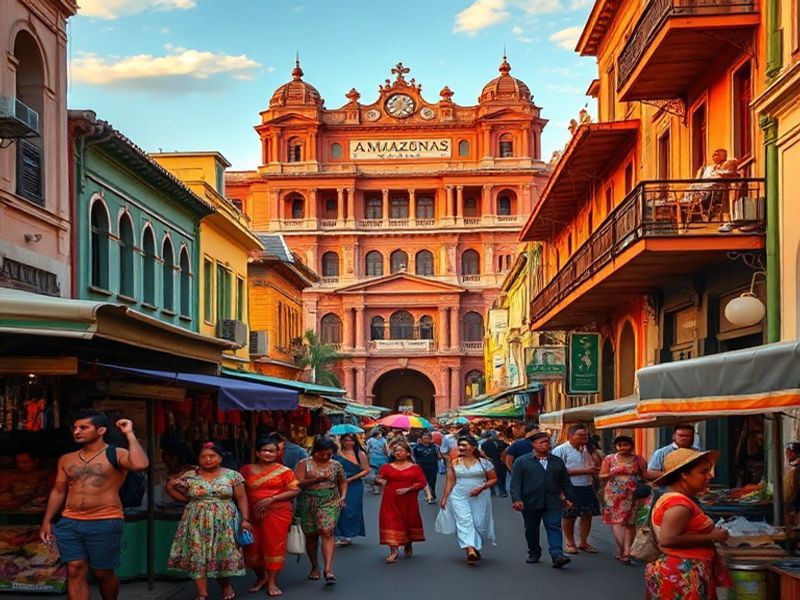
Manaus today is a study in contrasts. Skyscrapers cast shadows over the dense jungle, while street vendors sell açaí bowls alongside traditional Amazonian fish dishes. The city’s infrastructure is a marvel of adaptation—roads cut through the rainforest, and bridges span the wide Negro River. Yet, just outside the urban center, indigenous communities and ribeirinhos (riverbank dwellers) maintain lifestyles unchanged for centuries. This juxtaposition is a defining feature of Manaus, where modernity and tradition coexist in an uneasy but fascinating balance.
The Economic Engine of Amazonas
The Manaus Free Trade Zone remains the city’s economic backbone. Established in 1967, it offers tax incentives that have lured multinational corporations, including major electronics manufacturers like Samsung and LG. These companies operate in sprawling industrial parks on the city’s outskirts, producing goods for the entire Brazilian market. The zone accounts for billions in annual revenue and employs tens of thousands of workers, making it one of the most successful free trade zones in the world.
However, this economic success comes with challenges. The free trade zone’s reliance on tax breaks has sparked debates about sustainability and equity. Critics argue that the benefits often flow to outside investors rather than local communities. Meanwhile, the city’s rapid growth has strained infrastructure, leading to issues like traffic congestion and inadequate public services. Despite these challenges, Manaus’ economic model continues to draw attention as a case study in balancing industrialization with environmental preservation.
Tourism: A Double-Edged Sword
Tourism is another critical component of Manaus’ economy. The city serves as the primary jumping-off point for Amazon expeditions, attracting adventure seekers, researchers, and eco-tourists from around the globe. Popular attractions include the Meeting of the Waters, where the dark waters of the Negro River flow alongside the sandy-colored Amazon without mixing for miles. Visitors also flock to the nearby Anavilhanas Archipelago, a vast network of islands and flooded forests teeming with wildlife.
Yet tourism in Manaus is a double-edged sword. While it brings much-needed revenue, it also places pressure on fragile ecosystems. Deforestation, pollution, and the disruption of indigenous lands are growing concerns. Local guides and tour operators are increasingly adopting sustainable practices, but the long-term impact of tourism on the Amazon remains a topic of heated debate. For those who visit, Manaus offers an unforgettable introduction to the Amazon—but it also serves as a reminder of the delicate balance between exploration and preservation.
Cultural Melting Pot
Manaus’ cultural landscape is as diverse as its geography. The city’s population is a blend of indigenous Brazilians, descendants of Portuguese colonists, African slaves, and more recent migrants from Lebanon, Syria, and China. This multicultural heritage is reflected in everything from the local cuisine to the vibrant festivals that take place throughout the year.
The most famous of these is the Boi-Bumbá festival, a month-long celebration in June that combines indigenous, African, and Portuguese traditions. The festival culminates in a grand parade featuring elaborate costumes, music, and dance, drawing thousands of spectators. Another cultural highlight is the annual Amazonas Film Festival, which showcases independent films from Brazil and beyond, cementing Manaus’ reputation as a hub for the arts in the Amazon.
Music is another cornerstone of Manaus’ identity. The city has produced notable artists in genres ranging from samba to forró, and its music scene is deeply intertwined with the rhythms of the Amazon. Local musicians often incorporate indigenous instruments and themes into their work, creating a sound that is uniquely Manaus. Venues like the Teatro Amazonas and smaller bars and clubs throughout the city provide platforms for both established and emerging artists.
A Culinary Journey Through the Amazon
No visit to Manaus is complete without sampling its culinary delights. The city’s food scene is a fusion of indigenous, African, and Portuguese influences, with a heavy emphasis on ingredients sourced from the surrounding rainforest. Açaí, a superfruit harvested from palm trees, is a staple in local diets and is often served in bowls topped with granola and fruit. Another must-try dish is tacacá, a spicy soup made from tucupi (a yellow broth extracted from cassava), shrimp, and jambu (a local herb).
For those with a taste for adventure, Manaus offers exotic options like pirarucu, one of the Amazon’s largest freshwater fish, and jaraqui, a small fish often grilled or fried. Street food vendors are a great place to sample these dishes, offering a quick and affordable introduction to the city’s flavors. Meanwhile, higher-end restaurants in the city center provide a more refined take on Amazonian cuisine, often incorporating international techniques and ingredients.
The Challenges of Urbanization in the Amazon
Despite its successes, Manaus faces significant challenges as it continues to grow. One of the most pressing is environmental degradation. The city’s rapid expansion has led to deforestation, pollution, and the encroachment on indigenous lands. The Amazon rainforest, often called the “lungs of the Earth,” is under threat from illegal logging, mining, and agricultural expansion. Manaus, as the largest urban center in the region, plays a critical role in either mitigating or exacerbating these issues.
The city’s air quality is another concern. Industrial activity, coupled with the burning of waste and biomass, has led to elevated levels of pollution, particularly during the dry season. Health officials have raised alarms about respiratory illnesses and other health issues linked to poor air quality. Efforts to address these problems are underway, including initiatives to promote public transportation and reduce emissions, but progress is slow.
Social Inequality and Public Services
Social inequality is another stark reality in Manaus. While the city’s economy has grown, wealth is unevenly distributed. Many residents live in precarious conditions, particularly in the sprawling invasões (informal settlements) that surround the city. Access to clean water, sanitation, and healthcare remains limited in these areas, contributing to health disparities. The COVID-19 pandemic highlighted these inequities, as Manaus became one of the hardest-hit cities in Brazil during the early waves of the virus.
Efforts to improve public services are ongoing but face significant hurdles. The city’s government has launched programs to upgrade infrastructure and provide essential services to underserved communities, but funding and political will often fall short. Meanwhile, organizations like the Fundação Amazonas Sustentável (FAS) are working to empower local communities through sustainable development projects, offering a glimmer of hope for a more equitable future.
Manaus as a Model for Sustainable Development?
As Manaus continues to evolve, the question of whether it can serve as a model for sustainable development in the Amazon looms large. The city’s industrial success and cultural vibrancy are undeniable, but these achievements must be balanced with environmental stewardship and social equity. Innovative approaches, such as eco-industrial parks and community-based tourism, offer potential pathways forward. However, the path is fraught with challenges, from political resistance to the sheer scale of the task at hand.
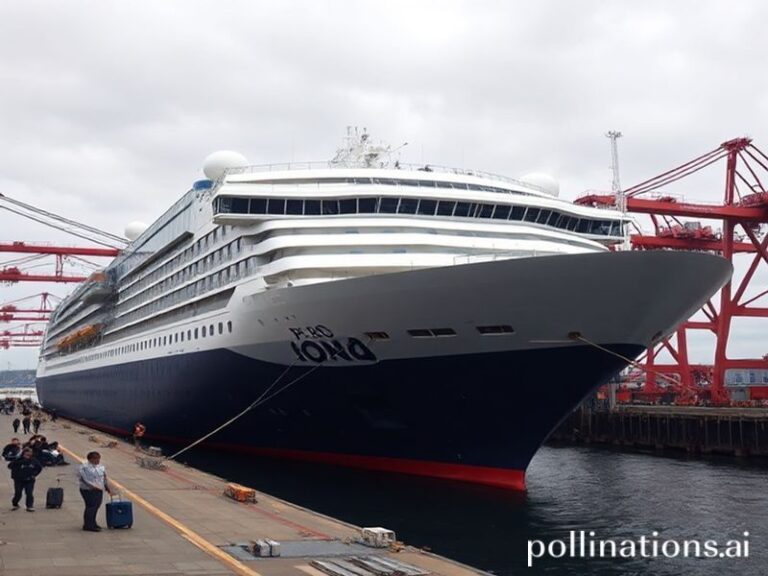
One promising initiative is the Manaus Sustainable Port project, which aims to modernize the city’s port infrastructure while minimizing environmental impact. The project includes measures to reduce pollution, improve waste management, and protect local ecosystems. If successful, it could serve as a blueprint for other cities seeking to balance economic growth with sustainability.
Another area of focus is renewable energy. Manaus is exploring solar and biomass energy projects to reduce its reliance on fossil fuels. These initiatives not only address environmental concerns but also create jobs and stimulate local economies. For example, the city’s first solar-powered plant, inaugurated in 2020, now supplies electricity to thousands of households.
The Role of Education and Research
Education and research are critical to Manaus’ future. The city is home to several universities, including the Federal University of Amazonas (UFAM), which plays a key role in studying and preserving the Amazon’s biodiversity. Research institutions like the National Institute of Amazonian Research (INPA) conduct groundbreaking work on topics ranging from climate change to indigenous knowledge systems. These efforts are essential for informing policy and fostering sustainable development.
Local schools and community organizations are also working to raise awareness about environmental issues. Programs that teach sustainable agriculture, waste reduction, and conservation practices are empowering the next generation to take an active role in protecting the Amazon. These initiatives highlight the importance of education in driving long-term change.
A City at the Crossroads
Manaus stands at a crossroads. It is a city of contradictions—a place where the past and future collide, where nature and industry coexist, and where tradition and innovation intertwine. Its story is one of resilience, ambition, and adaptation, but it is also a cautionary tale about the costs of unchecked growth. As the world grapples with climate change and biodiversity loss, Manaus offers both challenges and