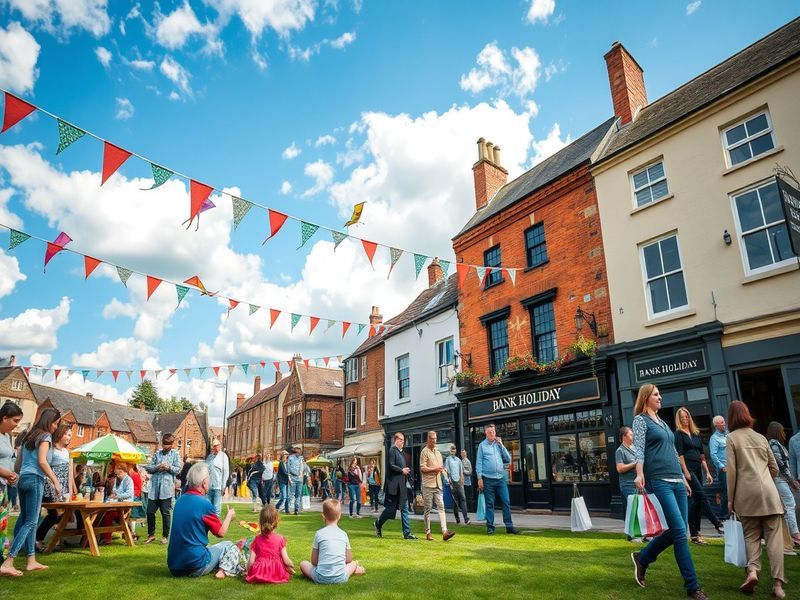
UK Bank Holidays Explained: Dates, Culture, and Economic Impact
Bank holidays in the United Kingdom represent more than just days off from work—they shape the rhythm of public life, influence consumer spending patterns, and reflect the nation’s cultural and historical priorities. Unlike many countries where holidays are predominantly fixed, the UK’s bank holiday schedule varies slightly across its four constituent nations—England, Scotland, Wales, and Northern Ireland—each tailoring its calendar to local traditions and historical significance.
The term “bank holiday” itself originates from the Banking and Financial Dealings Act 1971, which formalized the days when banks were closed and financial markets shut down. Today, these holidays are deeply embedded in British society, often prompting extended weekends, travel, and family gatherings. But their impact extends far beyond the personal—affecting retail sales, tourism, and even public transport schedules.
The Official Bank Holiday Calendar: A Nation-by-Nation Breakdown
The UK’s bank holiday calendar is not uniform. England and Wales follow a largely shared schedule, while Scotland and Northern Ireland each observe unique dates. This divergence reflects historical, religious, and cultural differences across the nations.
Here’s a breakdown of the standard bank holidays for 2024:
- England and Wales
- New Year’s Day: Monday, 1 January
- Good Friday: Friday, 29 March
- Easter Monday: Monday, 1 April
- Early May Bank Holiday: Monday, 6 May
- Spring Bank Holiday: Monday, 27 May
- Summer Bank Holiday: Monday, 26 August
- Christmas Day: Wednesday, 25 December
- Boxing Day: Thursday, 26 December
- Scotland
- New Year’s Day: Monday, 1 January
- 2 January (additional New Year holiday): Tuesday, 2 January
- Good Friday: Friday, 29 March
- Early May Bank Holiday: Monday, 6 May
- Spring Bank Holiday: Monday, 27 May
- Summer Bank Holiday: Monday, 5 August
- St Andrew’s Day: Monday, 2 December
- Christmas Day: Wednesday, 25 December
- Boxing Day: Thursday, 26 December
- Northern Ireland
- New Year’s Day: Monday, 1 January
- St Patrick’s Day: Monday, 18 March
- Good Friday: Friday, 29 March
- Easter Monday: Monday, 1 April
- Early May Bank Holiday: Monday, 6 May
- Spring Bank Holiday: Monday, 27 May
- Battle of the Boyne (Orangemen’s Day): Monday, 12 July
- Summer Bank Holiday: Monday, 26 August
- Christmas Day: Wednesday, 25 December
- Boxing Day: Thursday, 26 December
One of the most notable differences is Scotland’s inclusion of 2 January as a bank holiday—a reflection of the nation’s strong Hogmanay (New Year) celebrations. Northern Ireland, meanwhile, uniquely observes St Patrick’s Day and the Battle of the Boyne, both deeply rooted in its cultural and political identity.
Bank Holidays and the Economy: A Double-Edged Sword
While bank holidays offer a welcome break for workers, their economic impact is complex. On one hand, they drive short-term boosts in consumer spending, particularly in retail, hospitality, and travel sectors. The August bank holiday weekend, for example, is a peak period for domestic tourism, with many Britons taking short getaways to coastal towns or countryside retreats.
On the other hand, the closure of businesses and public services on these days can lead to significant revenue losses, especially for small businesses that rely on daily trade. The cost of lost productivity across the economy has been estimated at hundreds of millions of pounds annually. A 2022 report by the Centre for Economics and Business Research suggested that the UK loses around £2.4 billion in economic output each year due to bank holidays.
There’s also a seasonal pattern to consider. The Christmas and New Year period, which includes multiple bank holidays in close succession, sees a surge in spending on gifts, food, and entertainment. Conversely, the May and August bank holidays often coincide with unpredictable weather, which can dampen outdoor activities and retail footfall.
Some industries, such as healthcare and emergency services, operate with skeleton staff during bank holidays, placing additional strain on workers. Meanwhile, sectors like manufacturing may schedule maintenance or shutdowns during these periods to coincide with reduced demand.
Cultural Significance: More Than Just a Day Off
Bank holidays are woven into the fabric of British culture, often serving as focal points for community events, parades, and festivals. Easter, for instance, is marked by chocolate egg hunts, church services, and family meals—traditions that stretch back centuries. The August bank holiday, meanwhile, is synonymous with the end of summer, music festivals like Leeds and Reading, and the last major sporting events of the season.
In Scotland, Hogmanay is celebrated with fireworks, street parties, and the singing of Auld Lang Syne—a tradition that predates the formalization of bank holidays. In Northern Ireland, the Battle of the Boyne bank holiday is a time for Orange Order parades, reflecting the region’s complex history and divided communities.
These holidays also provide a rare opportunity for intergenerational bonding. Grandparents may pass down recipes for hot cross buns or Christmas pudding, while younger generations introduce modern twists, such as vegan alternatives or themed movie marathons. The shared experience of a bank holiday can reinforce social cohesion, even as lifestyles evolve.
The Future of Bank Holidays: Reform or Tradition?
Debates about the UK’s bank holiday system are as old as the holidays themselves. Critics argue that the current system is outdated, with too many holidays falling on Mondays, creating “tunnel weeks” where productivity plummets. Some advocate for a shift toward fixed-date holidays, similar to systems in the US or Japan, which could provide more consistent planning for businesses and workers alike.
There have been calls to add new bank holidays to celebrate diversity. For example, the Windrush Day (22 June) has been proposed as a permanent bank holiday to honor the contributions of Caribbean immigrants to British society. Similarly, a UK-wide holiday for the coronation of King Charles III in 2023 temporarily elevated the day to a bank holiday, raising questions about whether such occasions should be permanently recognized.
Another point of contention is the disparity between nations. Scotland’s additional New Year holiday and Northern Ireland’s unique observances highlight the challenges of a one-size-fits-all approach. Some argue for greater devolution of holiday decisions to the regional parliaments, allowing each nation to reflect its own identity more accurately.
Yet tradition remains a powerful force. The British attachment to bank holidays—whether for a quiet pint at the local pub, a countryside walk, or a family roast—suggests that any reforms will need to balance practicality with cultural resonance. The government’s recent reluctance to overhaul the system reflects this understanding, even as pressure mounts for modernization.
Making the Most of Your Bank Holiday
Whether you’re planning a staycation, hosting a gathering, or simply enjoying a rare day of rest, bank holidays offer a chance to recharge. For those looking to explore, destinations like the Lake District, Cornwall, and Edinburgh see significant spikes in visitors during these periods. Meanwhile, cities like London and Manchester host free festivals, markets, and cultural events.
If you’re staying in, why not use the time to tackle a DIY project, start a garden, or learn a new skill? Many people also use bank holidays to volunteer, whether at food banks, community clean-ups, or local charities—turning leisure time into meaningful action.
For businesses, preparation is key. Retailers often launch sales to capitalize on the increased footfall, while restaurants and pubs may offer special menus or events. Those in essential services, from healthcare to transport, must ensure adequate staffing to meet demand safely.
Ultimately, bank holidays are a testament to the UK’s ability to blend work and leisure, history and modernity. They remind us that life isn’t just about productivity—it’s also about pausing to celebrate, reflect, and connect. As long as the banks close and the flags fly, these days will remain a cherished part of British life.