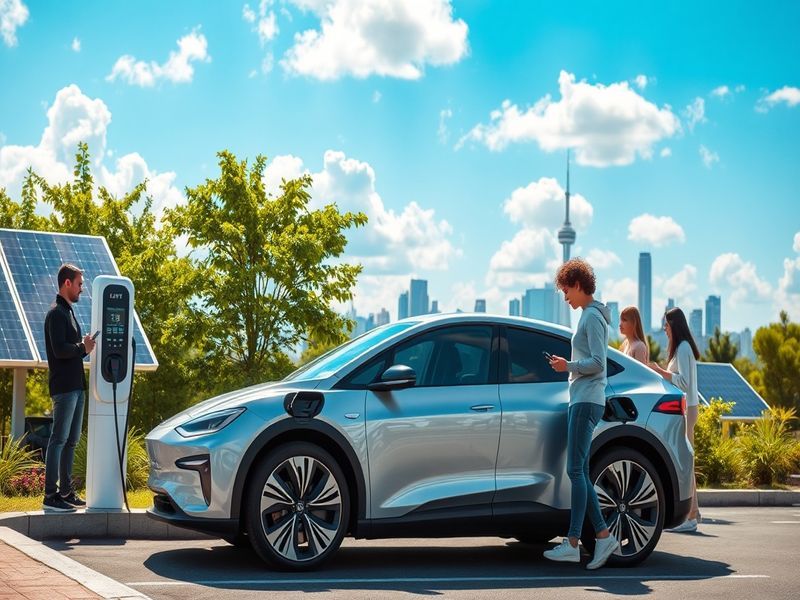
Exploring the Rise and Future of Electric Vehicles
Understanding Electric Vehicles
Electric vehicles (EVs) have been gaining traction in recent years, transforming the automotive industry. As concerns about climate change and fossil fuel dependency grow, more consumers are considering EVs as a viable alternative to traditional gasoline-powered cars. With advancements in technology and infrastructure, the landscape for electric vehicles is rapidly evolving.
Types of Electric Vehicles
There are several categories of electric vehicles, each offering distinct features and benefits. Understanding these types can help consumers make informed decisions when considering an EV purchase.
- Battery Electric Vehicles (BEVs): These vehicles run entirely on electric power stored in batteries. They produce zero tailpipe emissions and are known for their efficiency.
- Plug-in Hybrid Electric Vehicles (PHEVs): PHEVs combine a traditional internal combustion engine with an electric motor. They can operate on electric power alone for shorter distances before switching to gasoline.
- Hybrid Electric Vehicles (HEVs): Unlike PHEVs, HEVs do not need to be plugged in for charging. They use a combination of an internal combustion engine and an electric motor, optimizing fuel efficiency.
- Fuel Cell Electric Vehicles (FCEVs): These vehicles use hydrogen to generate electricity, emitting only water vapor as a byproduct. However, hydrogen infrastructure is still in its infancy compared to battery charging networks.
Advantages of Electric Vehicles
Electric vehicles offer numerous advantages over traditional vehicles. First and foremost, they contribute to a reduction in greenhouse gas emissions, which is crucial in the fight against climate change. Additionally, many EVs have lower operating costs due to fewer moving parts and reduced maintenance needs.
Moreover, the cost of electricity is generally lower than gasoline, allowing EV owners to save on fuel expenses. Tax incentives and rebates further enhance the affordability of electric vehicles, making them appealing to a broader audience. As battery technology continues to improve, the range of electric vehicles is also increasing, alleviating range anxiety among potential buyers.
Challenges Facing Electric Vehicles
Despite the many benefits, electric vehicles face several challenges that may hinder their widespread adoption. One significant concern is the availability of charging infrastructure. While urban areas may have adequate charging stations, rural regions often lack sufficient support for EVs.
Another challenge is the initial purchase price, which can be higher than that of traditional vehicles. Although long-term savings can offset this cost, some consumers remain hesitant to invest in EVs upfront. Additionally, the environmental impact of battery production and disposal raises questions about the overall sustainability of electric vehicles.
The Future of Electric Vehicles
The future of electric vehicles appears promising. Major automotive manufacturers are investing heavily in EV technology and production. As battery technology improves, we can expect to see lighter, more efficient batteries with increased ranges. Furthermore, advancements in renewable energy sources will enhance the sustainability of electric vehicles, making them an even more attractive option for environmentally conscious consumers.
Governments worldwide are also playing a significant role in promoting electric vehicles through regulations and incentives. This includes setting ambitious targets for reducing emissions and implementing policies to phase out fossil fuel vehicles. As these initiatives gain momentum, the shift towards electric vehicles will likely accelerate.
In conclusion, electric vehicles represent a significant shift in automotive technology and consumer preferences. While challenges remain, the advantages they offer make them a compelling choice for many drivers. As the industry evolves and infrastructure improves, electric vehicles are poised to become a mainstream option for transportation.