Exploring the Cosmos: The Global Impact of Space Exploration
The Importance of Space Exploration
Space exploration has long fascinated humanity. From early observations of celestial bodies to modern missions to distant planets, our quest to understand the universe reflects our innate curiosity. This endeavor is not merely scientific; it embodies cultural aspirations and technological advancements that define our times.
Countries around the globe have invested significantly in space exploration. This investment is not solely about scientific discovery but also about national pride and global leadership. The exploration of space can inspire generations and redefine what is possible.
Global Contributions to Space Exploration
Various nations contribute to space exploration, each with unique missions and objectives. Here are some key players:
- United States: NASA leads with missions to Mars, the Moon, and beyond. The Artemis program aims to return humans to the Moon by 2024.
- Russia: The Russian space agency, Roscosmos, has a rich history, launching the first human, Yuri Gagarin, into space in 1961. They continue to operate the Soyuz program for crew transport.
- China: China’s space agency has made remarkable strides, including the Chang’e lunar missions and the Tianwen-1 Mars mission, showcasing their technological prowess.
- European Space Agency (ESA): Comprising 22 member states, ESA collaborates on various missions, focusing on Earth observation, planetary science, and human spaceflight.
- India: The Indian Space Research Organisation (ISRO) has gained global recognition for its cost-effective missions, such as the Mars Orbiter Mission, which made India the first Asian nation to reach Mars orbit.
Technological Innovations and Cultural Impact
Space exploration has led to numerous technological advancements that extend beyond the realm of astrophysics. Innovations in materials science, robotics, and telecommunications have transformed everyday life. The technologies developed for space missions often find applications in various sectors, including healthcare and environmental monitoring.
Culturally, space exploration has inspired a wealth of art, literature, and public discourse. Movies and books have depicted our fascination with the cosmos, often reflecting societal hopes and fears about the unknown. The imagery of astronauts and spacecraft evokes feelings of adventure and the human spirit’s resilience.
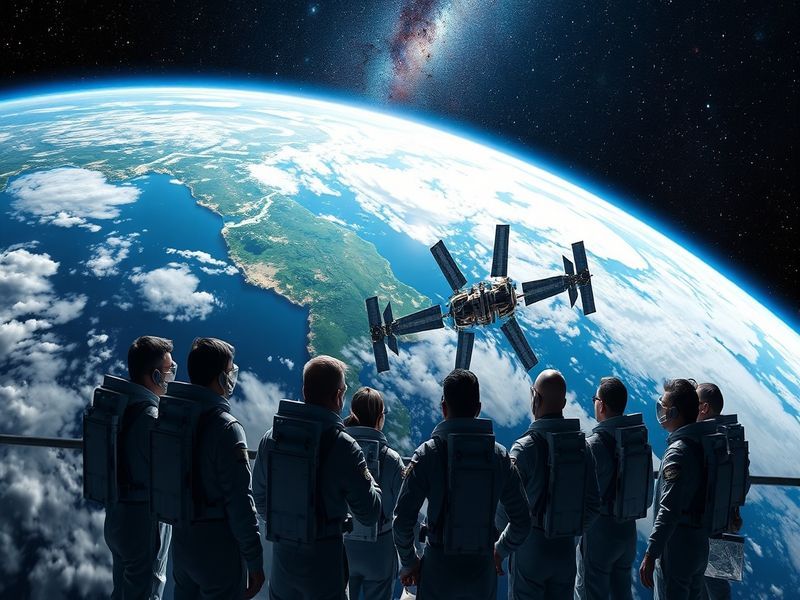
Moreover, space exploration fosters international collaboration. Projects like the International Space Station (ISS) bring together scientists and engineers from different countries, promoting peaceful cooperation. This collaboration serves as a reminder that, despite our differences, humanity shares a common goal: understanding the universe and our place within it.
The Future of Space Exploration
The future of space exploration is bright and filled with possibilities. Private companies are entering the arena, revolutionizing how we approach space travel. Companies like SpaceX and Blue Origin are developing reusable rockets, significantly reducing the cost of access to space. This democratization of space travel could lead to more frequent missions and the potential for commercial ventures.
Looking ahead, several exciting projects are on the horizon:
- Mars Colonization: Plans are underway to establish a human presence on Mars, with SpaceX aiming for crewed missions in the coming decade.
- Moon Bases: NASA’s Artemis program envisions sustainable lunar bases that could serve as stepping stones for deeper space exploration.
- Asteroid Mining: The potential for mining asteroids for precious resources could reshape economies and provide materials for future space endeavors.
- Interstellar Exploration: Concepts like the Breakthrough Starshot aim to send probes to nearby star systems, expanding our reach beyond the solar system.
These initiatives highlight the importance of continued investment in space exploration. The knowledge gained can lead to advancements that benefit life on Earth and inspire future generations.
In conclusion, space exploration is a multifaceted endeavor that transcends scientific inquiry. It is a testament to human ingenuity, collaboration, and the relentless pursuit of knowledge. As we look to the stars, we must remember that every mission not only expands our understanding of the universe but also enriches our experience of being human.