Exploring the Universe: The Journey of Space Exploration
The Importance of Space Exploration
Space exploration has always fascinated humanity. From the early days of astronomy to modern-day missions to Mars, the quest to understand our universe is relentless. The motivations behind these explorations are multifaceted, encompassing scientific, technological, and even philosophical dimensions.
At its core, space exploration aims to answer fundamental questions about existence. What lies beyond our planet? Are we alone in the universe? These inquiries drive scientists and researchers to push the boundaries of technology and knowledge.
Historical Milestones in Space Exploration
Space exploration has a rich history filled with significant milestones. Here are some of the most notable achievements:
- 1957: The Soviet Union launched Sputnik, the first artificial satellite.
- 1969: NASA’s Apollo 11 mission successfully landed humans on the Moon.
- 1977: The Voyager spacecraft were launched to explore the outer planets.
- 2012: NASA’s Curiosity rover landed on Mars, providing invaluable data about the planet.
Each of these events marked a significant leap forward in our understanding of space and our capabilities as a species. They paved the way for future explorations and ignited public interest in the cosmos.
The Role of Technology in Space Exploration
Technological advancements have been crucial in the journey of space exploration. Innovations in materials science, robotics, and communication have all contributed to the success of various missions. For instance, the development of reusable rocket technology has significantly reduced the costs associated with space travel.
Moreover, advancements in artificial intelligence and machine learning are enabling spacecraft to make autonomous decisions during missions. This is particularly important in deep-space exploration, where communication delays can hinder real-time control.
Some key technologies that have transformed space exploration include:
- Reusable launch systems, such as SpaceX’s Falcon 9.
- Advanced propulsion systems, like ion thrusters.
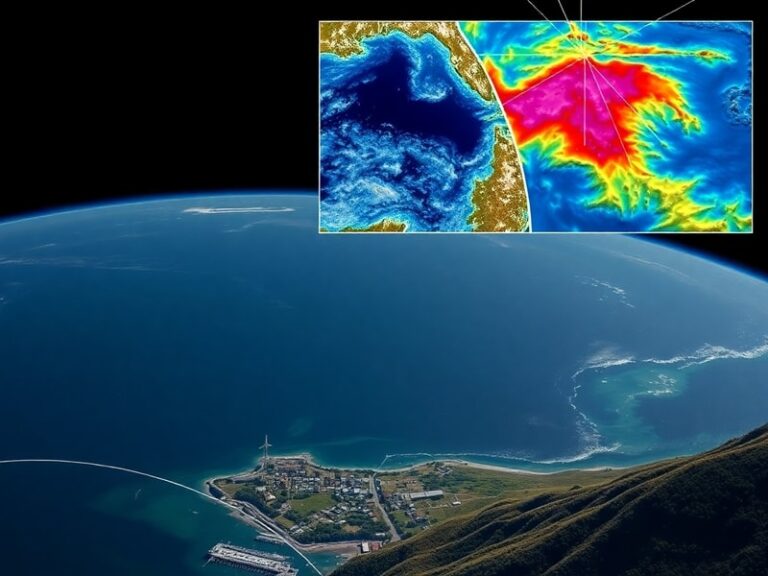
- High-resolution imaging technology for planetary observation.
- Robotic systems for planetary exploration, such as rovers and landers.
Future Prospects of Space Exploration
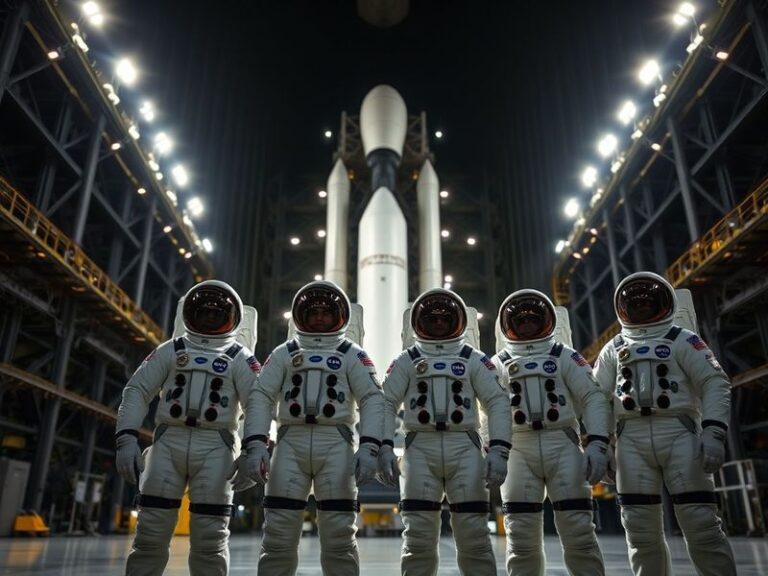
The future of space exploration is bright, with numerous missions planned for the coming decades. International collaborations are increasingly becoming the norm, as nations recognize the importance of pooling resources and expertise. Initiatives like the Artemis program aim to return humans to the Moon and establish a sustainable presence there.
Additionally, the prospect of sending humans to Mars has gained momentum. Organizations like NASA and private companies are working on technologies that could make this dream a reality. The challenges are immense, including life support systems and the psychological effects of long-duration space travel.
As we look ahead, the potential for discovering extraterrestrial life or habitable planets is particularly exciting. Telescopes like the James Webb Space Telescope are expected to provide new insights into exoplanets and their atmospheres, opening doors to possibilities we have yet to imagine.
Conclusion
Space exploration represents humanity’s innate desire to explore and understand the universe. From historic milestones to the role of cutting-edge technology, each aspect contributes to a larger narrative about our place in the cosmos. As we continue to invest in space exploration, we not only enhance our understanding of the universe but also inspire future generations to dream big.
For more information on current developments in science and technology, visit our Science and Technology pages.