Portable solar power has moved far beyond backpacking chargers and novelty gadgets. The latest generation of plug-in solar panels offers a middle ground between permanent rooftop arrays and disposable battery packs. These modular panels plug directly into standard outlets or portable power stations, allowing homeowners to supplement grid power without a full solar installation.
Unlike traditional photovoltaic systems, which require professional mounting and wiring, plug-in models connect via standard 120V outlets or MC4 cables. This design lowers the barrier to entry while still providing meaningful energy savings. For renters, frequent movers, or anyone hesitant about long-term commitments, these panels offer flexibility without sacrificing performance.
How Plug In Solar Panels Work
Plug-in solar panels operate on the same photovoltaic principle as rooftop systems but incorporate microinverters or power optimizers at the panel level. Each panel converts sunlight into direct current (DC) electricity, which an integrated microinverter then converts to alternating current (AC) suitable for household outlets.
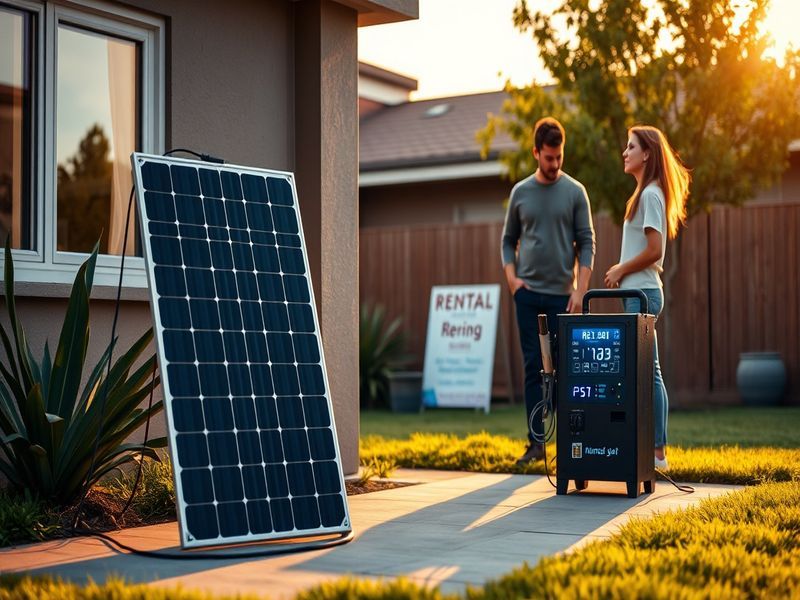
Most plug-in panels measure between 100W and 400W, fitting easily on balconies, patios, or small yards. They connect directly to a standard 120V outlet using a dedicated circuit, or they can feed power into a portable power station for off-grid use. Some advanced models include Wi-Fi monitoring, allowing users to track energy production in real time via smartphone apps.
Because they don’t require structural penetration or electrical permits in most regions, plug-in panels appeal to DIYers and urban dwellers alike. They’re particularly useful during peak sunlight hours, when grid demand is highest and electricity rates often rise.
Types of Plug In Solar Panels
- Plug-and-play panels: These come with pre-attached cables and standard plugs, designed to insert directly into a wall outlet. Brands like EcoFlow and Anker offer models that weigh under 20 pounds, making them easy to reposition.
- Microinverter panels: Each panel has its own microinverter, enabling independent operation. If one panel is shaded, the others continue producing power, increasing overall system reliability.
- Bifacial panels: These capture sunlight from both sides, boosting energy yield by up to 20% when placed over reflective surfaces like white roofs or pavement.
- Foldable panels: Ideal for camping or emergencies, these compact units unfold to 200W or more and include USB ports for direct device charging.
Cost and Savings: What to Expect
Prices for plug-in solar panels range from $150 for a single 100W unit to over $1,200 for a four-panel 800W system. Installation costs are minimal—often just the price of a dedicated outlet or extension cord—compared to the $10,000–$30,000 average for a rooftop installation.
Energy savings vary by location, panel efficiency, and local electricity rates. A typical 400W system in a sunny climate can generate 1.2–1.8 kWh per day. At an average U.S. residential rate of $0.16/kWh, that translates to $60–$90 in annual savings. Over five years, the system could offset $300–$450 in electricity bills, making it a low-risk investment.
Some utilities offer net metering or feed-in tariffs for excess power, though policies differ widely. Check with your provider before connecting any grid-tied system to avoid unexpected fees or interconnection requirements.
Incentives and Rebates
Federal, state, and local incentives can significantly reduce upfront costs. The U.S. federal solar tax credit currently covers 30% of qualifying expenditures, including plug-in panels. Some states add additional rebates—Massachusetts offers up to $500 per panel, while California provides sales tax exemptions for qualifying systems.
Utility rebates are less common for plug-in systems than for rooftop arrays, but a few providers—including Con Edison in New York and PG&E in California—offer small credits for grid-connected units. Always verify eligibility before purchasing.
Installation and Safety Considerations
Plug-in solar panels require minimal setup but still demand attention to safety and placement. Most manufacturers recommend positioning panels in full sun for at least six hours daily, ideally facing south in the Northern Hemisphere at a 30–45 degree tilt. Avoid placing them near trees, chimneys, or other obstructions that cast shadows.
Electrical safety is critical. Use a dedicated circuit to prevent overloading, and install a ground fault circuit interrupter (GFCI) outlet if one isn’t already present. Outdoor-rated extension cords should be rated for wet conditions and UV exposure. Never daisy-chain multiple panels into a single outlet, as this can create fire hazards.
Some local building codes still treat plug-in panels like permanent installations, requiring permits or inspections. Check with your city or county planning department before mounting anything to your property. When in doubt, consult a licensed electrician to ensure compliance.
Use Cases Beyond the Backyard
Plug-in solar panels aren’t limited to single-family homes. They’re increasingly popular in apartments with balconies, where residents can mount panels without roof access. Some landlords now offer plug-in systems as lease add-ons, allowing tenants to reduce utility costs while retaining portability.
Small businesses, especially those with high daytime energy use, benefit from plug-in panels to offset peak demand charges. Food trucks, pop-up shops, and outdoor event vendors use them to power refrigeration, lighting, and POS systems without relying on noisy generators.
Emergency preparedness is another growing application. During grid outages, a 400W plug-in system paired with a 1,000Wh power station can run a refrigerator, laptop, and medical devices for several hours. Models like the Bluetti AC200P include pure sine wave inverters, safe for sensitive electronics.
Limitations to Keep in Mind
Plug-in panels have lower efficiency than rooftop systems, typically converting 18–22% of sunlight into electricity compared to 20–24% for premium rooftop panels. Their smaller size also limits total output, making them impractical for whole-home power needs.
Their performance drops sharply in cloudy weather or during winter months when days are shorter. Users in northern climates may only see meaningful output from April to October, reducing annual savings. Portability comes at a cost: foldable and lightweight panels often sacrifice durability, with warranties ranging from one to three years versus 25 years for rooftop systems.
Future Trends and Market Outlook
The plug-in solar market is projected to grow at a compound annual rate of 12% through 2030, driven by falling panel costs, rising electricity prices, and increased climate awareness. Innovations in perovskite solar cells promise higher efficiency at lower weights, potentially unlocking new applications.
Smart panels with built-in batteries are emerging, allowing users to store excess energy for nighttime use without a separate power station. Companies like Tesla and SunPower are testing hybrid models that combine plug-in panels with home energy management systems, offering real-time energy optimization.
Regulatory changes may also accelerate adoption. The U.S. Department of Energy’s “SolarAPP+” initiative streamlines permitting for small-scale solar, including plug-in systems. If more states adopt similar programs, the installation process could become as simple as plugging in a lamp.
Should You Invest in Plug In Solar?
Plug-in solar panels make sense for anyone seeking a low-commitment, low-cost way to reduce electricity bills or gain backup power. They’re ideal for renters, urban residents, or those curious about solar without the permanence of rooftop panels. However, they’re not a replacement for large-scale systems in high-consumption households.
Before purchasing, assess your energy needs, local sunlight conditions, and utility policies. Compare upfront costs against potential savings, and explore available rebates. If you’re unsure, start with a single panel or a small kit to test performance before scaling up.
For those ready to take the next step, Technology and Sustainability sections on Dave’s Locker offer curated guides to the latest plug-in solar products and reviews from real users.
As energy independence becomes a priority for more households, plug-in solar panels stand out as a practical, adaptable solution. They won’t power your entire home, but they can meaningfully cut costs, reduce your carbon footprint, and provide peace of mind during grid outages. In an era of rising energy prices and climate uncertainty, that’s no small feat.