The Current State of the Iran-Israel Conflict
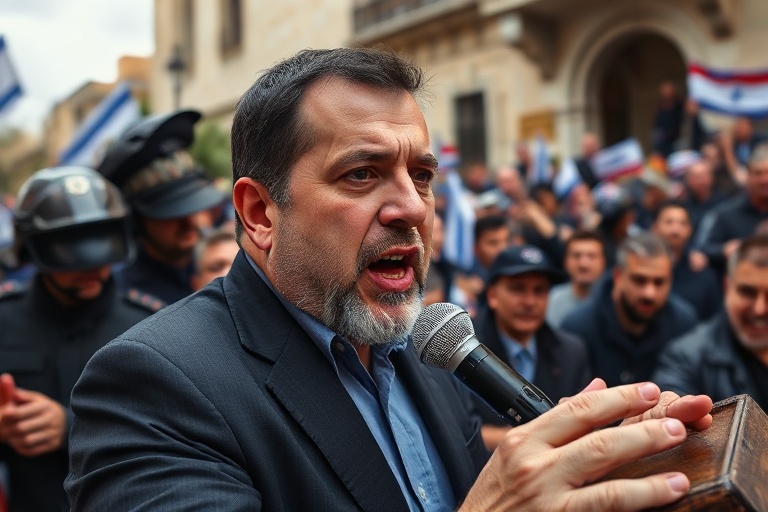
The conflict between Iran and Israel has intensified in recent years, driven by geopolitical tensions and regional power struggles. Both nations have engaged in a series of confrontations, often leading to military actions and retaliatory strikes. The situation has reached a critical point, prompting discussions about a potential ceasefire.
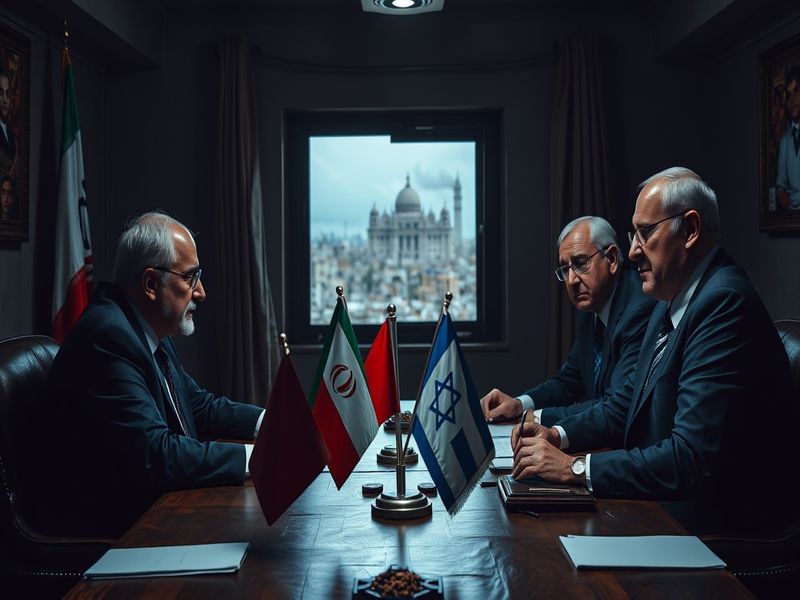
Recent developments indicate a shift in the dynamics of this long-standing conflict. Diplomatic efforts have increased, with international actors seeking to mediate and promote stability in the region. The potential for a ceasefire hinges on various factors, including military strategies, political alliances, and public sentiment in both countries.
Factors Influencing Ceasefire Negotiations
Multiple elements play a crucial role in the discussions surrounding a ceasefire between Iran and Israel. These factors include:
- Military Capabilities: Both nations possess advanced military technology, making the prospect of conflict escalation a significant concern.
- Regional Alliances: The involvement of other countries, such as the United States and Russia, can influence the likelihood of a ceasefire.
- Public Sentiment: The attitudes of citizens in both nations toward the conflict can shape political decisions and negotiations.
- Economic Considerations: The economic impact of prolonged conflict can drive both governments to seek diplomatic solutions.
Understanding these factors is essential for comprehending the complexities of the negotiations and the potential for a lasting ceasefire. Each element contributes to the overall landscape of the conflict, impacting decision-making processes on both sides.
International Reactions and Mediation Efforts
The international community has closely monitored the Iran-Israel conflict, with various nations expressing their concerns and advocating for peace. Diplomatic efforts have included:
- Engagement in multilateral talks involving key stakeholders.
- Facilitation of backchannel communications between Iranian and Israeli officials.
- Support for humanitarian initiatives aimed at alleviating the suffering of civilians affected by the conflict.
These mediation efforts have been met with mixed responses. While some nations push for immediate ceasefire agreements, others remain skeptical about the sincerity of both parties in pursuing peace. The challenge lies in building trust, as historical animosities and rivalries complicate negotiations.
Potential Outcomes of a Ceasefire
A ceasefire between Iran and Israel could lead to various outcomes, each with its implications for regional stability and international relations. Some potential scenarios include:
- Short-term Peace: A temporary cessation of hostilities could provide a much-needed respite for civilians and allow for humanitarian aid delivery.
- Long-term Negotiations: A ceasefire could open the door for more extensive discussions on broader issues, such as nuclear proliferation and territorial disputes.
- Increased Tensions: If the ceasefire is perceived as a tactical maneuver rather than a genuine commitment to peace, hostilities may resume with even greater intensity.
Each scenario carries its risks and benefits, highlighting the need for careful deliberation by all parties involved. A successful ceasefire could pave the way for a more stable Middle East, while a failure to maintain peace could exacerbate existing tensions.
Conclusion
The prospect of a ceasefire between Iran and Israel remains fraught with challenges and uncertainties. As both nations navigate their complex histories and geopolitical realities, the role of international mediation becomes increasingly critical. Understanding the factors at play can help observers anticipate the potential outcomes of negotiations.
Ultimately, the desire for peace must outweigh the forces of conflict. Whether through diplomatic channels or grassroots initiatives, the hope for a more stable future in the region depends on the willingness of both sides to engage in meaningful dialogue. For ongoing updates and analysis on this topic, visit our news section or explore our politics category.