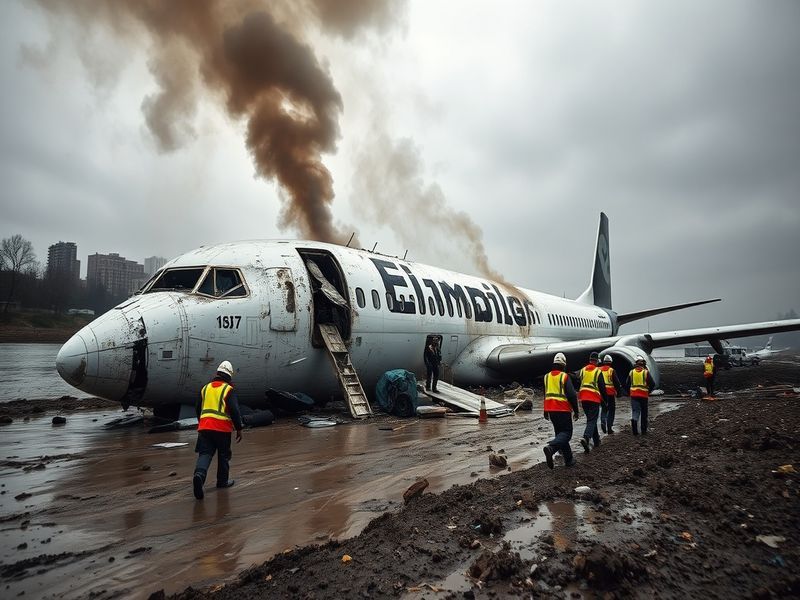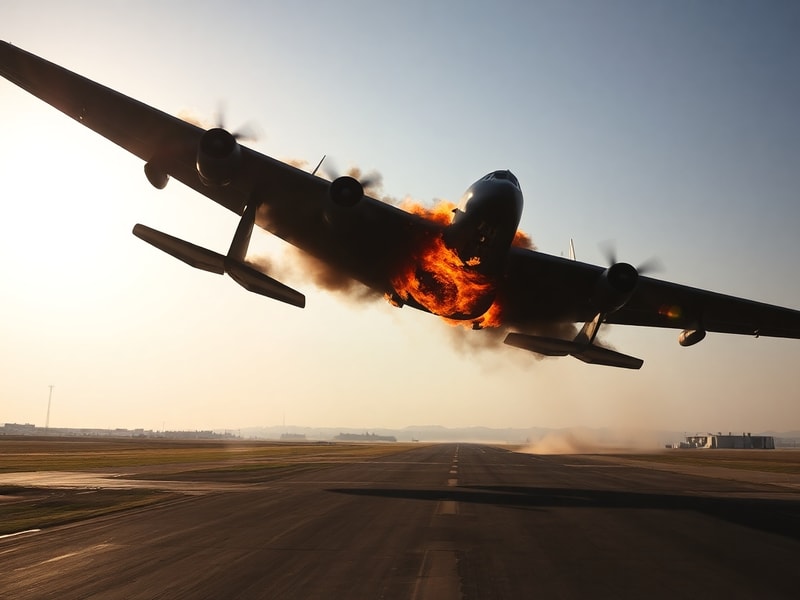
The B-52 Stratofortress has long been a symbol of American military power, a long-range, heavy bomber that has served the United States Air Force for over six decades. Yet, despite its storied history and reputation for reliability, the aircraft has not been immune to accidents. Recent incidents involving B-52 crashes have reignited discussions about the risks associated with these aging warplanes and the broader implications of their continued operation.
The B-52’s Legacy and Modern Challenges
First introduced in the 1950s, the B-52 was designed during the Cold War to deliver nuclear payloads across vast distances. Its eight-engine design, capable of carrying up to 70,000 pounds of ordnance, made it a cornerstone of U.S. strategic deterrence. Even as newer bombers like the B-2 Spirit and the forthcoming B-21 Raider enter service, the B-52 remains in active use due to its adaptability and cost-effectiveness. The Air Force has invested heavily in upgrades, extending the aircraft’s service life into the 2050s.
However, longevity comes with challenges. The B-52’s airframe, originally built for a lifespan of 10,000 flight hours, now routinely exceeds 20,000 hours. Structural fatigue, maintenance complexities, and the strain of modern missions—including electronic warfare and global strike capabilities—pile pressure on an already stretched fleet. Recent crashes have highlighted these vulnerabilities, raising concerns about whether the aircraft is being pushed beyond its safe operational limits.
Recent Incidents and Their Causes
In February 2024, a B-52H assigned to the 5th Bomb Wing at Minot Air Force Base in North Dakota crashed during a routine training mission. The aircraft, one of the oldest in the fleet, went down near the base, killing the two crew members on board. Investigators later attributed the crash to a catastrophic mechanical failure, though the exact cause remains under review. This incident followed another B-52 crash in 2022, when a plane from the 23rd Bomb Squadron at Andersen Air Force Base in Guam suffered an in-flight emergency and was forced to land—though the crew survived.
These accidents are not isolated. A 2020 report by the U.S. Government Accountability Office (GAO) noted that the B-52 fleet experienced a higher-than-average rate of mishaps compared to other bombers. The GAO attributed this partly to the aircraft’s age, with many components nearing the end of their service lives. Corrosion, wiring issues, and engine failures have been recurring problems, prompting the Air Force to accelerate modernization efforts.
The pattern of failures has led to increased scrutiny from lawmakers and defense analysts. Some argue that the B-52, while still a critical asset, is being asked to perform missions for which it was never designed. The aircraft’s role has expanded from nuclear deterrence to conventional bombing, electronic attack, and even hypersonic missile testing—tasks that strain its aging systems.
Key Factors Contributing to B-52 Crashes
- Structural Fatigue: Decades of flight hours have weakened the airframe, increasing the risk of catastrophic failure.
- Mechanical Failures: Engine malfunctions, hydraulic system breakdowns, and wiring issues have been cited in multiple incidents.
- Pilot Error: While less common, training deficiencies or misjudgments can contribute to accidents, especially during complex missions.
- Weather Conditions: The B-52’s design predates modern avionics, making it more susceptible to turbulence and icing.
- Maintenance Shortfalls: Budget constraints and parts shortages have led to deferred maintenance, exacerbating existing problems.
Broader Implications for U.S. Military Aviation
The B-52’s struggles are part of a larger conversation about the U.S. military’s aging aircraft inventory. The Air Force faces a critical dilemma: retire these workhorses and risk gaps in capability, or push them to their limits and risk more accidents. The latter option carries significant consequences, both in terms of human cost and operational readiness.
From a strategic standpoint, the B-52’s continued use is a testament to the Air Force’s ability to adapt. The aircraft has been retrofitted with advanced sensors, weapons systems, and even new cockpit displays to keep pace with modern warfare. However, these upgrades cannot address fundamental structural issues. The Air Force has acknowledged the need for a replacement, with the B-21 Raider expected to take over some of the B-52’s missions in the coming years. But until then, the Stratofortress will remain a vital—and vulnerable—component of America’s military arsenal.
Beyond the immediate risks, the crashes also highlight broader issues within the defense industrial base. The B-52’s original manufacturer, Boeing, has shifted focus to newer platforms, leaving the Air Force increasingly reliant on a dwindling pool of suppliers for spare parts. This reliance has led to delays in repairs and increased costs, further straining an already overburdened system.
What Comes Next?
The Air Force has responded to the recent crashes with a mix of caution and urgency. In the aftermath of the 2024 incident, the service grounded the entire B-52 fleet temporarily for inspections. While no systemic issues were found, the move underscored the fragility of the aircraft’s condition. The Air Force has also accelerated its Technology and modernization programs, aiming to extend the fleet’s service life while mitigating risks.
Yet, the path forward is not without challenges. The B-52’s successor, the B-21 Raider, is still in development, and its full operational capability remains years away. In the interim, the Air Force must balance the need for readiness with the realities of operating an aging fleet. This may involve reducing flight hours, increasing maintenance budgets, or even accelerating retirements for the most worn-out airframes.
For defense analysts, the B-52’s struggles serve as a case study in the broader challenges of military sustainment. The aircraft’s story reflects the tensions between cost, capability, and risk—a balance that will define U.S. defense strategy for decades to come.
Lessons for the Future
The B-52’s crashes are a reminder that even the most reliable machines have limits. As the Air Force grapples with these challenges, several lessons emerge:
- Prioritize Sustainability: Aging aircraft require sustained investment in maintenance and upgrades to remain viable.
- Plan for Transition: The military must ensure smooth transitions between old and new platforms to avoid capability gaps.
- Address Industrial Base Gaps: Dependence on outdated supply chains increases risk and costs—modernization is essential.
- Reevaluate Mission Scopes: Not all platforms are suited for every mission; aligning capabilities with requirements is critical.
- Invest in Training: Ensuring pilots and maintainers are prepared for the unique challenges of aging aircraft can reduce accidents.
Ultimately, the B-52’s legacy is one of adaptability and resilience. But as the aircraft enters its eighth decade of service, the question remains: how much longer can it safely fly?
For now, the Stratofortress continues to roar through the skies, a symbol of both American power and the vulnerabilities that come with it. The crashes of recent years serve as a stark reminder that even the most iconic machines are not invincible—and that the cost of pushing them to their limits can be measured in lives and strategic setbacks.