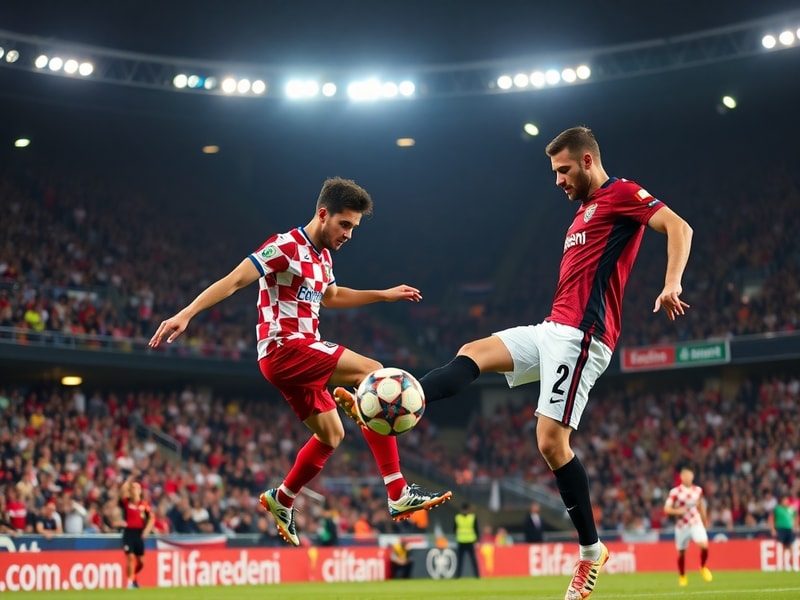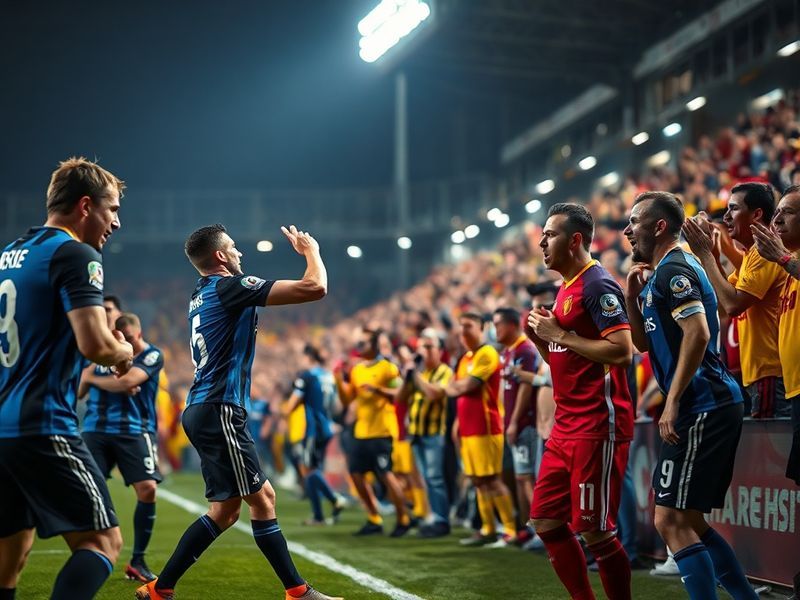
Football in Turkey is more than a sport; it’s a cultural mosaic where history, identity, and emotion collide on the pitch. Few rivalries encapsulate this dynamic as vividly as the clashes between Gençlerbirliği and Galatasaray. These two clubs, separated by class, geography, and philosophy, offer a compelling narrative that extends beyond the 90 minutes of play.
The Origins and Philosophies of Two Clubs
Founded in 1923, Gençlerbirliği emerged from Ankara’s student and working-class milieu, embodying the spirit of grassroots football. The club’s name translates to “Association of Youth,” reflecting its roots in nurturing local talent. In contrast, Galatasaray, established in 1905 in Istanbul, carries the legacy of a cosmopolitan elite. Its foundation was intertwined with the intellectual and political ferment of the Ottoman Empire’s twilight years, making it a symbol of modern Turkey itself.
The philosophical divide between the two clubs mirrors broader societal tensions in Turkey. Gençlerbirliği represents the underdog—a club that punches above its weight despite limited resources. Galatasaray, meanwhile, has long been associated with wealth, prestige, and a global fanbase. This contrast shapes their identities, their recruitment strategies, and, crucially, their fan cultures.
Fan Cultures: From Ankara’s Streets to Istanbul’s Palaces
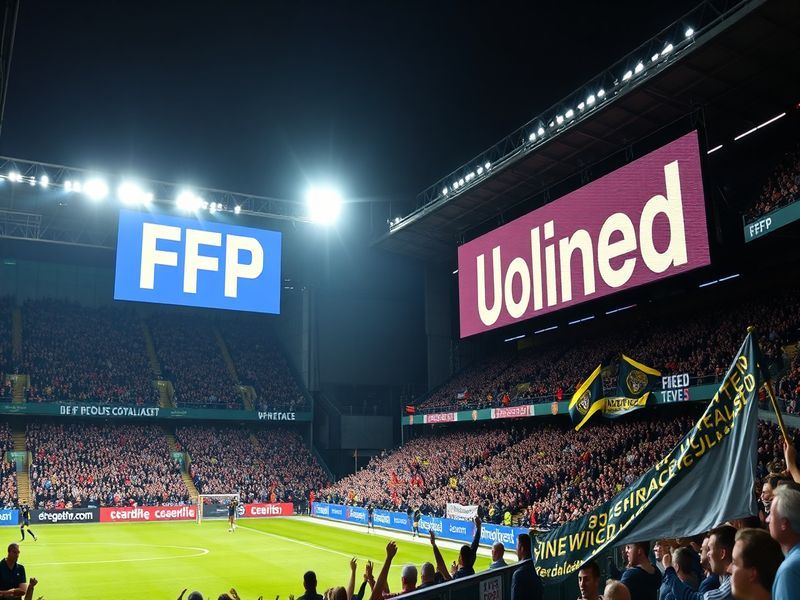
The supporters of Gençlerbirliği, known as Gençler, are renowned for their raw passion and loyalty. Ankara’s working-class neighborhoods pulsate with energy on matchdays, as fans travel to Istanbul or host their rivals in a sea of red and black. Their chants are often improvised, reflecting the local dialect and humor, and their support is unfiltered by commercialization.
Galatasaray’s fanbase, the Cimbomlular, is a global phenomenon. The club’s 1990s and early 2000s dominance in European competitions, including a UEFA Cup and Super Cup triumph, elevated its profile beyond Turkey’s borders. The Ultraslan, the ultras group, are infamous for their vocal and visual intimidation, turning stadiums into cauldrons of noise. This global reach has turned Galatasaray into a brand, albeit one that occasionally grapples with the expectations that come with such status.
- Gençlerbirliği fans: Local, grassroots, improvisational in support, deeply tied to Ankara’s identity.
- Galatasaray fans: Global, commercialized, structured in support, tied to Istanbul’s cosmopolitan legacy.
On the Pitch: Tactical Battles and Historical Moments
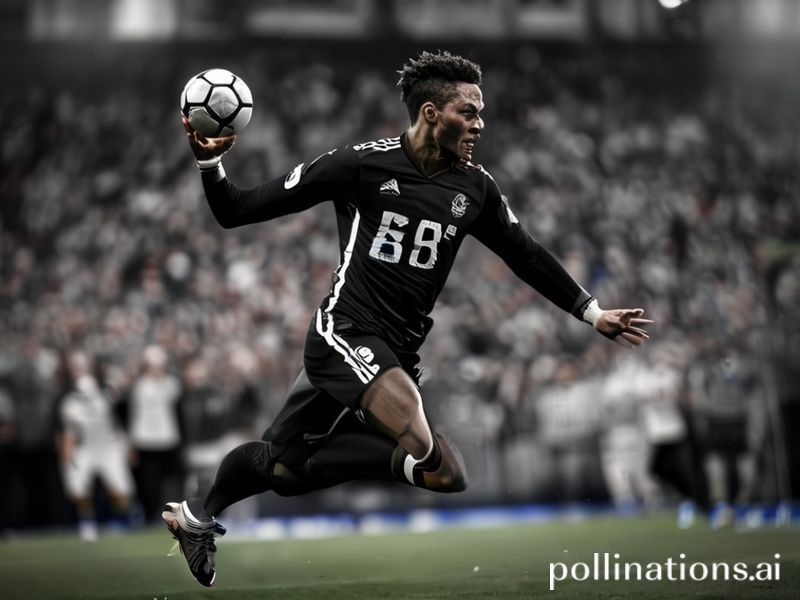
The head-to-head record between Gençlerbirliği and Galatasaray is a study in contrasts. Galatasaray’s dominance in the Süper Lig—with 23 league titles—is well-documented, but Gençlerbirliği has often been the spoiler. Their encounters are rarely one-sided. In the 2002-03 season, for example, Gençlerbirliği stunned Galatasaray with a 3-1 victory at Ali Sami Yen Stadium, a result that symbolized the Ankara club’s ability to challenge the establishment.
Tactically, the matches between these two clubs highlight different approaches to football. Gençlerbirliği, under managers like Ersun Yanal, has often employed a pragmatic, counterattacking style, relying on set-pieces and defensive solidity. Galatasaray, meanwhile, has oscillated between possession-based football under managers like Fatih Terim and more direct, physical approaches under others. These tactical battles add another layer to their rivalry, one that reflects broader trends in Turkish football.
Key Matches and Their Significance
While Galatasaray’s trophy-laden history often overshadows Gençlerbirliği’s achievements, their head-to-head encounters have produced memorable moments:
- 2002-03 Süper Lig: Gençlerbirliği’s 3-1 victory at Galatasaray’s home ground, a result that briefly halted the Istanbul club’s title charge.
- 2018 Turkish Cup: Gençlerbirliği eliminated Galatasaray in the quarter-finals, a shock that reverberated through Turkish football.
- 2021 Süper Lig: A 2-1 win for Gençlerbirliği, showcasing their resilience against a Galatasaray side rebuilding under Fatih Terim.
These matches are more than statistical footnotes; they are cultural touchstones. For Gençlerbirliği, a victory is a statement—a reminder that football’s beauty lies in its unpredictability. For Galatasaray, a loss is often met with introspection about the club’s direction and identity.
The Global Perspective: How Turkish Football Reflects Broader Trends
Turkish football’s evolution offers a lens through which to view the country’s own transformation. The Gençlerbirliği vs. Galatasaray rivalry encapsulates the tension between tradition and modernity, between local authenticity and global ambition. This dynamic is not unique to Turkey; it mirrors similar clashes in football cultures worldwide.
In England, clubs like Everton represent the working-class roots of football, while Manchester United embodies the globalized, commercialized future. In Argentina, Boca Juniors’ working-class ethos contrasts with River Plate’s elite pedigree. These rivalries are microcosms of their societies, where football becomes a stage for broader narratives about class, identity, and aspiration.
For Gençlerbirliği, the challenge is to maintain its identity amid financial constraints and the relentless march of commercial football. Galatasaray, meanwhile, must balance its global ambitions with the expectations of a fanbase that demands both success and authenticity. These struggles reflect the broader challenges faced by clubs worldwide as they navigate the complexities of modern football.
A Rivalry That Transcends the Pitch
The Gençlerbirliği vs. Galatasaray rivalry is a testament to football’s power to reflect and shape cultural identities. It is a story of underdogs and giants, of local pride and global ambition, of tradition and innovation. While Galatasaray’s star shines brighter in the trophy cabinet, Gençlerbirliği’s spirit endures in the hearts of its fans and the streets of Ankara.
In an era where football is increasingly dominated by money and media, this rivalry reminds us of the game’s soul. It is a reminder that football is not just about trophies or global brands; it is about communities, histories, and the unbreakable bonds between clubs and their supporters. Whether in the stands of Ankara 19 Mayıs Stadium or the grandstands of Ali Sami Yen, the passion of these fans ensures that this rivalry will continue to captivate for generations to come.