Collaboration in Crisis: How Morocco Supports U.S. Military Operations
The relationship between Morocco and the United States extends beyond diplomacy and trade. In times of crisis, the North African nation has played a pivotal role in the recovery of U.S. military personnel. This cooperation reflects a long-standing partnership rooted in mutual trust and strategic alignment, particularly in the volatile regions of Africa and the Middle East.
Morocco’s involvement in U.S. military recovery efforts is not a recent development. Since the early 2000s, the two nations have collaborated on counterterrorism initiatives and humanitarian missions. These efforts gained prominence during operations in the Sahel region, where U.S. forces often find themselves in remote and high-risk environments. Morocco’s military infrastructure, including its advanced medical facilities and strategic location, has made it an essential partner in ensuring the safe recovery of injured soldiers.
The Logistics of Recovery: Morocco’s Role in Medical Evacuation
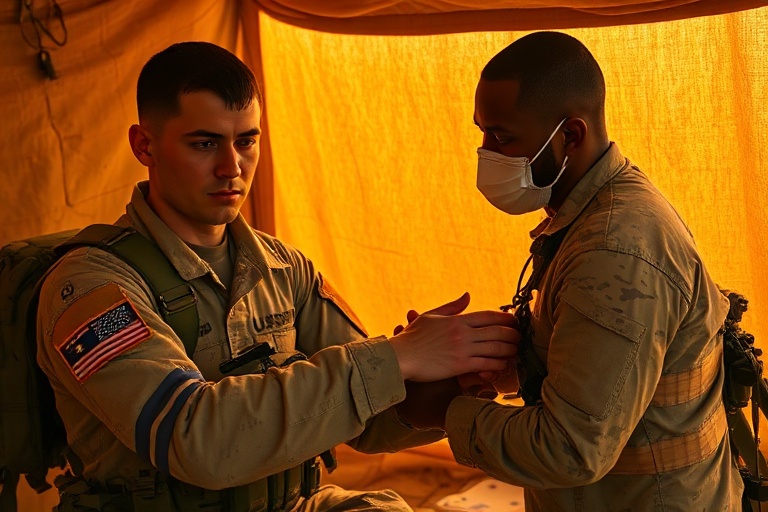
When a U.S. soldier is injured in a conflict zone, rapid evacuation is critical. Morocco’s proximity to these regions, combined with its well-equipped military hospitals, allows for swift medical intervention. The U.S. Air Force frequently utilizes Moroccan airspace and facilities for medical evacuation flights, ensuring that soldiers receive timely care.
One of the most notable examples of this collaboration occurred during Operation Enduring Freedom in Afghanistan. Moroccan medical teams worked alongside U.S. personnel to stabilize and transport wounded soldiers to advanced care facilities. The efficiency of these operations highlights the operational readiness of Morocco’s military health services, which adhere to NATO standards despite not being a formal member of the alliance.
The recovery process often involves multiple stages. Initially, soldiers are stabilized in field hospitals near the conflict zone. From there, they are airlifted to Morocco, where specialized treatment is administered. This two-phase approach ensures that soldiers receive both immediate and long-term care. The Moroccan military’s commitment to this process underscores its dedication to supporting allied forces.
Training and Preparedness: Building a Robust Support System
Morocco’s ability to support U.S. military recovery efforts is not accidental. The country has invested heavily in modernizing its military infrastructure and training its personnel to international standards. Joint military exercises, such as the African Lion drills, have become a cornerstone of this readiness, allowing Moroccan and U.S. forces to refine their coordination in complex scenarios.
These exercises simulate real-world recovery operations, including medical evacuations and casualty transport. Moroccan medics are trained in advanced trauma care, and military hospitals are equipped with state-of-the-art technology. This preparation ensures that when a U.S. soldier requires evacuation, Moroccan teams are ready to respond with precision and efficiency.
The training extends beyond technical skills. Cultural sensitivity and interoperability are also emphasized. Moroccan medical personnel are briefed on the cultural and operational nuances of working with U.S. forces, fostering a seamless collaboration. This attention to detail minimizes the risk of miscommunication and maximizes the effectiveness of recovery efforts.
Cultural and Diplomatic Dimensions of Military Cooperation
The partnership between Morocco and the U.S. is not solely military in nature. It is deeply rooted in shared values and historical ties. Morocco, as one of the oldest allies of the United States, has consistently demonstrated its commitment to regional stability and global security. This diplomatic goodwill is a crucial factor in the success of recovery operations.
Morocco’s role in supporting U.S. military personnel also reflects its broader strategic interests. By hosting U.S. forces and facilitating their operations, Morocco strengthens its position as a key player in North Africa. This alignment benefits both nations, as it enhances Morocco’s security while allowing the U.S. to project power in a critical region.
The cultural exchange between Moroccan and U.S. personnel further enriches this relationship. Moroccan hospitality is renowned, and soldiers recovering in Moroccan hospitals often speak highly of the care they receive. This personal connection fosters goodwill and reinforces the bonds between the two nations.
The Future of Military Collaboration
As global security challenges evolve, the partnership between Morocco and the U.S. is poised to grow even stronger. The rise of non-state actors and the proliferation of conflict zones in Africa and the Middle East demand robust, adaptable support systems. Morocco’s strategic location and military capabilities position it as a linchpin in these efforts.
Looking ahead, there are several areas where collaboration could deepen. Enhanced intelligence sharing, joint counterterrorism operations, and expanded military training programs are all possibilities. Additionally, Morocco’s potential role in stabilizing the Sahel region could further solidify its position as a key U.S. partner in Africa.
The recovery of U.S. soldiers in Morocco is more than a logistical triumph. It is a testament to the enduring strength of the U.S.-Morocco relationship. By combining military expertise, cultural understanding, and diplomatic goodwill, the two nations have created a model for international cooperation in crisis response.
For those interested in learning more about military partnerships and global security efforts, explore our News and Analysis sections. These resources offer deeper insights into the evolving dynamics of international military cooperation.