The FIFA World Cup has long been a stage where football dreams collide with reality. For Norway, a nation of just over five million people, their World Cup journey reads like an underdog tale with moments of brilliance. While they have never lifted the trophy, Norway’s participation in the tournament remains a source of national pride and a testament to the country’s footballing development.
Norway first qualified for the World Cup in 1938, but their most memorable appearance came decades later in 1994, when they reached the knockout stage in the United States. Managed by Egil “Drillo” Olsen, Norway played an organized and disciplined brand of football that caught the world’s attention. Their 1-0 victory over Mexico in that tournament remains one of their most celebrated wins.
The Golden Era: Norway’s Rise in the 1990s
The 1990s marked Norway’s golden era in international football. With a generation of talented players including Kjetil Rekdal, Tore André Flo, and Øyvind Leonhardsen, Norway became a formidable side in European and World Cup qualifiers. Their tactical approach under Olsen was pragmatic, focusing on counterattacks and set-pieces—strategies that often left stronger opponents struggling to break them down.
Norway’s 1998 World Cup campaign in France was another highlight. Drawn in a tough group with Brazil, Morocco, and Scotland, they advanced from the group stage after a dramatic 2-1 win over Brazil in Marseille. Though they fell to Italy in the Round of 16, the performance solidified Norway’s reputation as a team that could compete with the world’s best.
The legacy of that era extends beyond results. It inspired a generation of Norwegian footballers and helped grow the sport’s popularity in the country. Today, many of Norway’s current stars, such as Erling Haaland and Martin Ødegaard, cite those 1990s teams as their inspiration.
A Cultural Phenomenon in the Making?
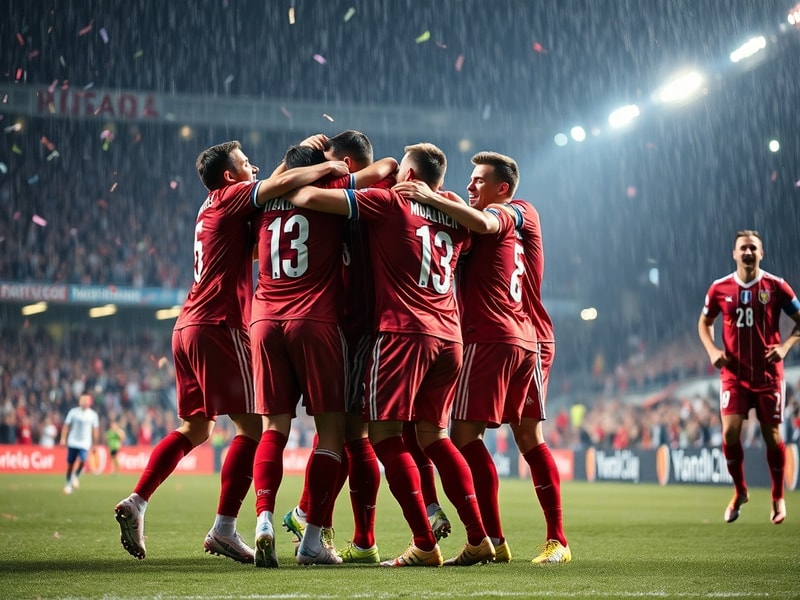
Football in Norway is more than just a sport—it’s a cultural touchstone. The national team’s success, or even participation, brings the country together in ways few other events can. During World Cup years, towns and cities across Norway erupt in celebration when the team scores or wins. The passion is evident, even if the trophies are not.
Norway’s football culture is deeply rooted in community and accessibility. Local clubs play a crucial role, with many young players developing their skills in small-town academies before moving to top European leagues. The Norwegian Football Federation has invested heavily in youth development, ensuring a steady pipeline of talent.
This grassroots approach contrasts with the commercialized academies of larger football nations. In Norway, football is accessible to all, and the national team reflects that diversity. Players from different backgrounds come together, embodying the inclusive spirit of Norwegian society.
Recent Challenges and the Road Ahead
Norway has struggled to qualify for recent World Cups, missing out on Russia 2018 and Qatar 2022. The team has faced criticism for its lack of creativity and inability to break down low-block defenses. Injuries to key players, such as Haaland, have also hampered their campaigns.
However, the future looks promising. Under manager Ståle Solbakken, Norway has shown signs of resurgence. The development of young talents like Rasmus Højlund and Antonio Nusa has injected new energy into the squad. Their recent UEFA Nations League performances suggest they are on the right track.
The challenge now is consistency. Norway must translate their potential into results on the biggest stage. With the 2026 World Cup expanding to 48 teams, Norway has a real opportunity to qualify and make an impact.
Key Factors for Norway’s Future Success
- Youth Development: Norway’s investment in youth academies continues to pay off, with more players breaking into top European clubs.
- Tactical Evolution: The team must adapt to modern football’s demands, moving beyond the long-ball tactics that once defined them.
- Mental Resilience: Overcoming the pressure of big tournaments remains a hurdle. Building a winning mentality is crucial.
- Star Power: With Haaland leading the attack, Norway has a world-class finisher. Supporting players must step up alongside him.
Norway’s World Cup Legacy and Global Impact
Norway’s World Cup story is one of perseverance and passion. While they have never been favorites, their performances have left a mark on the tournament’s history. Their 1994 and 1998 campaigns remain benchmarks for what a small nation can achieve.
Beyond results, Norway’s World Cup journey has helped shape its national identity. Football is a unifying force in the country, bringing people together regardless of background. The team’s struggles and triumphs reflect the resilience of the Norwegian spirit.
As Norway looks ahead to future tournaments, the dream of lifting the World Cup trophy remains alive. For now, the focus is on building a team capable of competing at the highest level once again. With the right mix of talent, tactics, and determination, Norway could yet write a new chapter in their World Cup legacy.
For fans of sports, Norway’s World Cup story is a reminder that football is not just about the giants of the game. It’s about the underdogs, the dreamers, and the nations who prove that with passion and perseverance, anything is possible.
This article was written for Dave’s Locker, covering the intersection of sports, culture, and global football.