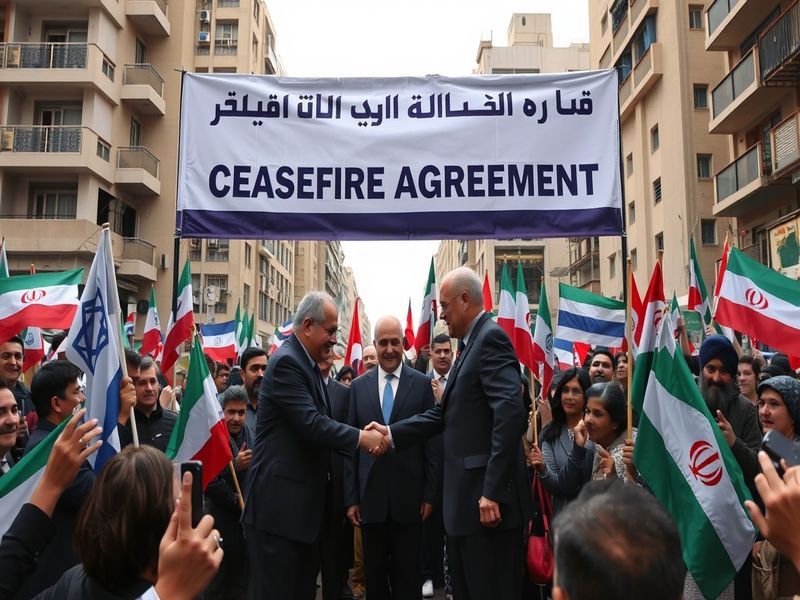
Iran-Israel War Ceasefire: Understanding the Implications
Understanding the Iran-Israel War Ceasefire
The conflict between Iran and Israel has escalated over the years, marked by military engagements, political tensions, and regional implications. As hostilities reached a critical point, the announcement of a ceasefire brought a moment of relief, yet the underlying issues remain unresolved. This article explores the context, implications, and potential outcomes of this ceasefire, shedding light on the broader geopolitical landscape.
Background of the Conflict
The animosity between Iran and Israel has deep historical roots, stemming from ideological differences and territorial disputes. Following the Islamic Revolution in 1979, relations soured significantly. Iran’s support for anti-Israel militant groups, such as Hezbollah and Hamas, has further fueled tensions.
The conflict has manifested in various forms, from cyber warfare to military confrontations. Each side has engaged in acts of aggression, often justifying their actions through national security concerns. In recent years, the rhetoric has intensified, with both nations exchanging threats and engaging in proxy battles throughout the Middle East.
The Ceasefire: A Temporary Respite?
The recent ceasefire, brokered by international mediators, has provided a temporary halt to hostilities. However, the question remains: how long will this peace last? Analysts suggest that while the ceasefire is a step towards de-escalation, it does not address the root causes of the conflict.
- Immediate Impact: The ceasefire has led to a decrease in military operations, allowing civilians to breathe a sigh of relief.
- Political Ramifications: Both governments face internal pressures that may influence their commitment to the ceasefire.
- International Reaction: Global powers have welcomed the ceasefire, urging both sides to engage in diplomatic dialogue.
The Role of International Mediators
International mediators, including the United Nations and regional powers, played a crucial role in negotiating the ceasefire. Their involvement highlights the global stakes in the Iran-Israel conflict. The geopolitical implications extend far beyond the immediate region, with potential repercussions for global energy markets and international security.
Many nations have vested interests in the outcome of this conflict. For instance, the United States has historically supported Israel, while Russia has forged closer ties with Iran. The delicate balance of power in the region makes it imperative for mediators to tread carefully.
The Future: Challenges Ahead
While the ceasefire is a positive development, the future remains uncertain. Several challenges must be addressed to achieve lasting peace:
- Rebuilding Trust: Both nations need to rebuild trust, which has been severely damaged over decades of hostility.
- Addressing Root Causes: Without addressing the underlying issues, such as territorial disputes and ideological differences, peace will be elusive.
- Continued Dialogue: Ongoing dialogue between Iran and Israel, facilitated by international mediators, is essential for long-term stability.
In addition, regional dynamics, including the roles of other Middle Eastern countries, will influence the trajectory of peace efforts. Countries like Saudi Arabia and Turkey may play pivotal roles in shaping the future of Iran-Israel relations.
Conclusion
The Iran-Israel ceasefire offers a momentary pause in a long-standing conflict, but it is merely a starting point for addressing deeper issues. As both nations navigate the complexities of their relationship, the international community must remain engaged, encouraging dialogue and promoting stability in the region.
Ultimately, lasting peace requires more than a ceasefire; it demands a commitment to understanding and addressing the multifaceted challenges that have driven these nations apart. The world watches closely, hoping for a resolution that brings about not only an end to violence but also a pathway toward reconciliation.