Understanding the Shark vs. Predator Dynamic
Sharks have long been at the top of the ocean’s food chain, often viewed as the ultimate predators. However, various species challenge this notion, leading to a complex interplay between these formidable creatures and their competitors. This article examines the dynamics of sharks versus other predators, exploring their interactions and broader implications for marine ecosystems.
The Predator Hierarchy in Marine Environments
The ocean is home to a myriad of predators, each playing a vital role in maintaining ecological balance. Sharks, with their evolutionary adaptations, hold a significant position. Yet, they are not without adversaries. Other apex predators, such as orcas and larger species of fish, can compete with sharks for food and territory.
Key factors that contribute to the predator hierarchy in marine environments include:
- Adaptability: Many predators have adapted to various ecological niches, allowing them to thrive in diverse conditions.
- Hunting Techniques: Different species employ unique strategies for hunting, impacting their success rates and interactions with sharks.
- Social Structures: Some predators, like orcas, hunt in pods, which can give them an advantage over solitary hunters like sharks.
- Reproductive Strategies: The ability to reproduce quickly can lead to population booms, altering predator dynamics.
Sharks vs. Orcas: A Notable Rivalry
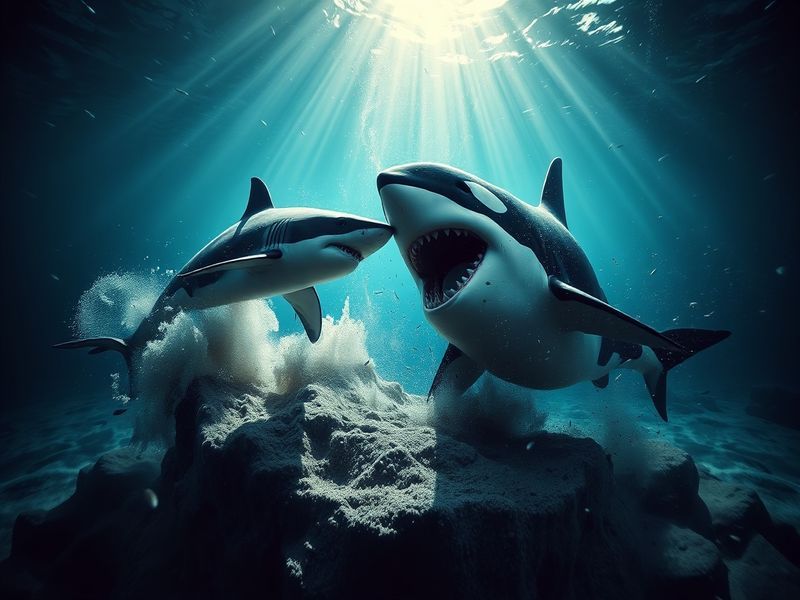
One of the most fascinating rivalries in the ocean is between sharks and orcas. Orcas, or killer whales, are known to hunt sharks, showcasing an extraordinary level of intelligence and teamwork. Research indicates that orcas can target specific shark species, such as the great white, and employ techniques that immobilize them, demonstrating their strategic prowess.
This rivalry has broader implications. As orca populations fluctuate, so too do the populations of sharks. A decline in orca numbers can lead to an increase in shark populations, which may have cascading effects on marine ecosystems. Conversely, if orcas thrive, shark numbers may dwindle, affecting their role as apex predators.
The Impact of Human Activity on Predator Dynamics
Human activity significantly influences the balance between sharks and other marine predators. Overfishing, pollution, and habitat destruction alter the delicate ecosystems in which these creatures thrive. The decline of shark populations due to fishing practices has raised concerns about the health of marine environments.
Some key impacts of human activity include:
- Overfishing: Targeting sharks for their fins and meat disrupts the predator hierarchy, allowing smaller fish populations to explode.
- Pollution: Contaminants in the ocean can affect the health of both sharks and their prey, leading to declines in predator efficiency.
- Habitat Loss: Coastal development and climate change threaten critical habitats, impacting the survival of various predator species.
The interaction between sharks and other predators is not only a matter of survival but also a reflection of human impact on the environment. As we continue to alter marine ecosystems, understanding these dynamics becomes increasingly crucial.
Conclusion: The Future of Sharks and Their Rivals
The relationship between sharks and their competitors is a complex web of interactions shaped by evolutionary history and environmental factors. As apex predators, sharks play a vital role in maintaining the balance of marine ecosystems. However, their interactions with other predators, especially orcas, highlight the intricacies of predator-prey dynamics.
Moreover, human activities pose significant risks to these relationships, potentially leading to unforeseen consequences in the marine environment. To ensure the sustainability of these ecosystems, it is essential to promote responsible fishing practices, protect habitats, and raise awareness about the importance of sharks and their rivals.
For more insights on marine life and environmental issues, check out our Science and Environment sections.