Understanding TSA Wait Times at Philadelphia International Airport
TSA Wait Times at Philadelphia International Airport (PHL)
The Transportation Security Administration (TSA) wait times at Philadelphia International Airport (PHL) have become a crucial factor for travelers. As airports continue to recover from the impact of the pandemic, understanding these wait times is essential for planning a smooth travel experience. With an increase in air traffic and varying levels of staffing, passengers must be aware of what to expect when navigating security checkpoints.
Current Wait Time Trends
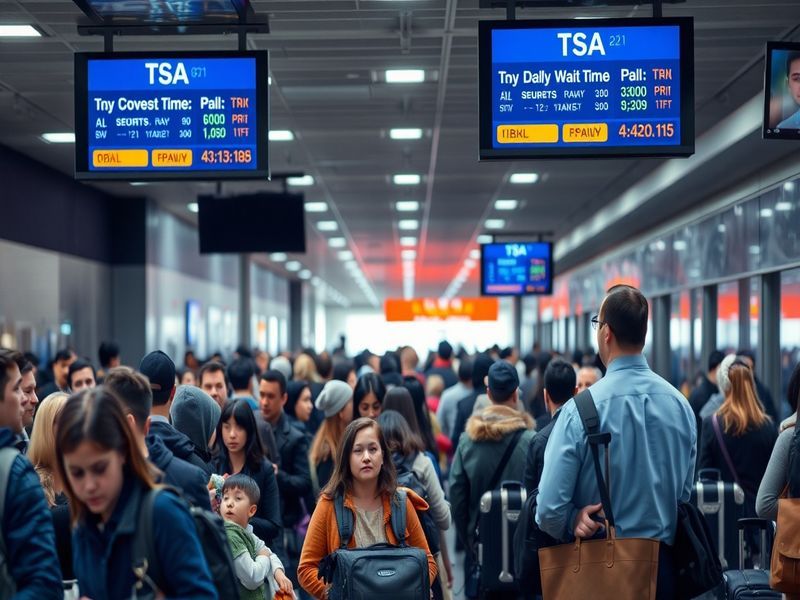
Recent reports indicate fluctuating wait times at PHL, influenced by several factors. Peak travel seasons, such as holidays and summer vacations, typically see longer lines. Additionally, staffing shortages at TSA have been a recurring issue, leading to increased wait times. Here’s a summary of key trends:
- Weekdays generally have shorter wait times compared to weekends.
- Early morning flights often experience longer queues due to a high volume of travelers.
- Travelers should arrive at least two hours before domestic flights and three hours before international flights.
- Mobile apps and airport websites provide real-time updates on wait times.
Impacts on Travelers
Long wait times can significantly affect travelers’ experiences. Delays at security checkpoints can lead to anxiety, missed flights, and an overall negative travel experience. This situation is particularly challenging for families traveling with children, elderly passengers, or those with disabilities. Here are some implications of extended TSA wait times:
- Increased Stress Levels: Uncertainty about wait times can heighten anxiety levels among passengers, particularly those unfamiliar with the airport.
- Travel Planning Adjustments: Many travelers now factor in longer wait times when booking flights or planning their arrival at the airport.
- Impact on Airport Services: Longer wait times can lead to congestion in terminals, affecting dining and shopping experiences.
Additionally, airlines may adjust their schedules or boarding processes to mitigate the impact of TSA wait times, which can further complicate travel logistics. For instance, some airlines have started to encourage passengers to arrive earlier or have implemented new boarding protocols to accommodate potential delays.
Strategies for Managing TSA Wait Times
Travelers can take proactive measures to minimize the impact of TSA wait times. Here are several strategies to consider:
- Utilize TSA PreCheck: Enrolling in TSA PreCheck can significantly reduce wait times, allowing travelers to use expedited lanes.
- Stay Informed: Checking TSA wait time updates via mobile apps or the airport’s website can help travelers plan their arrival more effectively.
- Travel During Off-Peak Hours: Flying during less busy times can lead to shorter security lines and a more pleasant airport experience.
- Be Prepared: Having travel documents ready and following TSA guidelines for carry-on items can expedite the security process.
By implementing these strategies, travelers can navigate the complexities of airport security more efficiently, reducing stress and improving their overall travel experience.
Conclusion
TSA wait times at Philadelphia International Airport are a significant concern for travelers, particularly as air traffic continues to rise. Understanding current trends and their implications can help passengers better prepare for their journeys. By being proactive and informed, travelers can mitigate the challenges posed by long wait times and enjoy a smoother experience at PHL. As the travel industry evolves, it is essential for passengers to stay updated on best practices and airport developments to enhance their travel efficiency.