The Importance and Evolution of Ballots in Elections
Understanding Ballots: A Vital Component of Democracy
A ballot serves as a crucial mechanism in democratic societies, allowing citizens to express their preferences in elections. This simple piece of paper or electronic input can determine the direction of governments and policies. The significance of ballots extends beyond mere voting; they embody the principles of representation and civic engagement.
As societies evolve, so too do the methods of casting ballots. From traditional paper ballots to modern electronic voting machines, the process has adapted to meet the needs of an increasingly digital populace. Understanding the different types of ballots and their implications is essential for informed participation in the democratic process.
Types of Ballots
Ballots can be categorized into several types, each designed to facilitate the voting process while addressing specific needs. Here are some of the most common types:
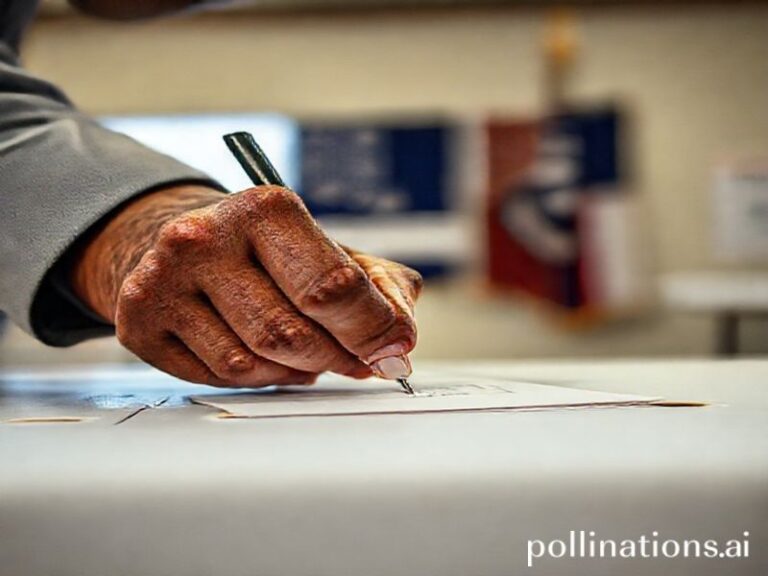
- Paper Ballots: Traditional and widely used, these ballots are marked by hand and submitted into a ballot box or counting machine.
- Electronic Ballots: Voters use touch screens or electronic devices to cast their votes. This method can speed up the counting process and reduce human error.
- Mail-In Ballots: Also known as absentee ballots, these allow voters to receive and return their ballots via mail, providing greater accessibility for those unable to vote in person.
- Provisional Ballots: Issued to voters whose eligibility is in question, provisional ballots ensure that every vote is counted once eligibility is confirmed.
Each type of ballot has its own advantages and challenges. For instance, while electronic ballots can enhance efficiency, they also raise concerns about security and potential malfunctions. Conversely, paper ballots are time-tested but can be prone to misinterpretation or human error during counting.
The Voting Process: From Ballot to Results
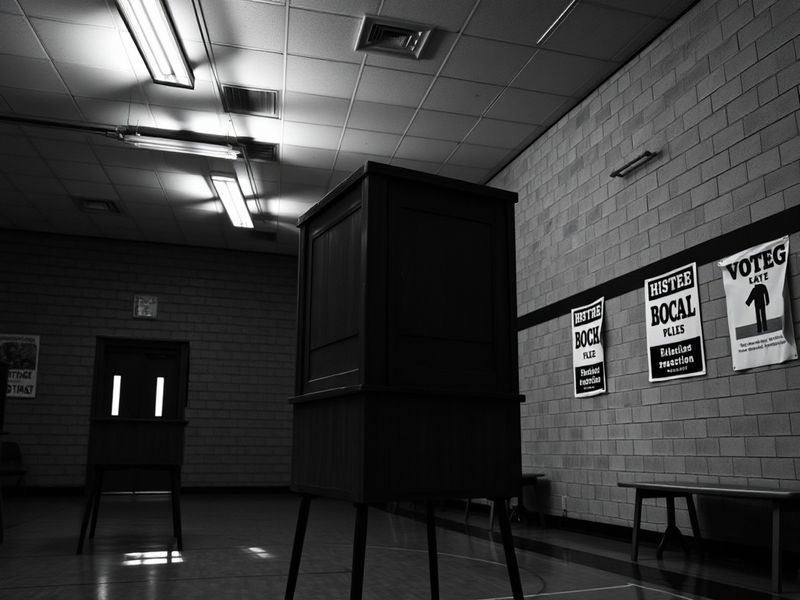
The journey of a ballot begins when a voter decides to participate in an election. After registering, the voter selects their preferred method for casting their ballot. Whether it’s in-person on Election Day, during early voting, or through mail-in voting, each method plays a role in shaping voter turnout.
Once the ballot is cast, it enters a rigorous process of verification and counting. Election officials work diligently to ensure that each vote is accurately recorded. This process often includes:
- Verification of voter identity and eligibility.
- Collection of ballots from designated locations.
- Counting and tabulating votes, often using both manual and automated systems.
- Reporting results to the public and certifying the election outcome.
The integrity of this process is paramount. Any discrepancies or irregularities can lead to disputes and undermine public trust in election outcomes. This is why transparency and accountability in the voting process are essential components of a healthy democracy.
Challenges and Innovations in Voting
While the ballot is a fundamental tool for democracy, it is not without its challenges. Voter suppression, misinformation, and technological vulnerabilities pose significant threats to the electoral process. Efforts to address these issues are ongoing and can take various forms, including:
- Legislative Reforms: Many advocacy groups are pushing for laws that protect voting rights and expand access to ballots.
- Technological Advancements: Innovations in security measures for electronic voting systems aim to safeguard against hacking and fraud.
- Public Awareness Campaigns: Educating voters about their rights and the voting process helps combat misinformation and encourages participation.
As we look to the future, it is essential to consider how technology can enhance the voting experience while ensuring the integrity of elections. Initiatives such as blockchain technology and biometric verification are being explored as potential solutions to improve security and trust in the electoral process.
Conclusion
The ballot is more than just a means of casting a vote; it symbolizes the democratic ideals of participation and representation. Understanding its various forms and the voting process itself is crucial for every citizen. As challenges arise, it is imperative that society continues to innovate and adapt, ensuring that the electoral process remains fair, accessible, and secure for all.
For more insights into the electoral process and related topics, visit our Politics and News categories.