The Legacy of Mortal Kombat: A Cultural Icon
Mortal Kombat has established itself as a cornerstone of the gaming industry since its debut in 1992. Created by Ed Boon and John Tobias, this fighting game series has evolved significantly, influencing not only video games but also movies, television shows, and even music. Its combination of unique characters, intricate storylines, and signature finishing moves has created a franchise that resonates with fans around the globe.
The Evolution of Gameplay
Initially, Mortal Kombat was revolutionary due to its use of digitized graphics, which provided a level of realism that was unprecedented at the time. Players were drawn in by the game’s gritty aesthetic and the dramatic intensity of its gameplay. Over the years, Mortal Kombat has undergone numerous iterations, each bringing new characters and mechanics to enhance the player experience.
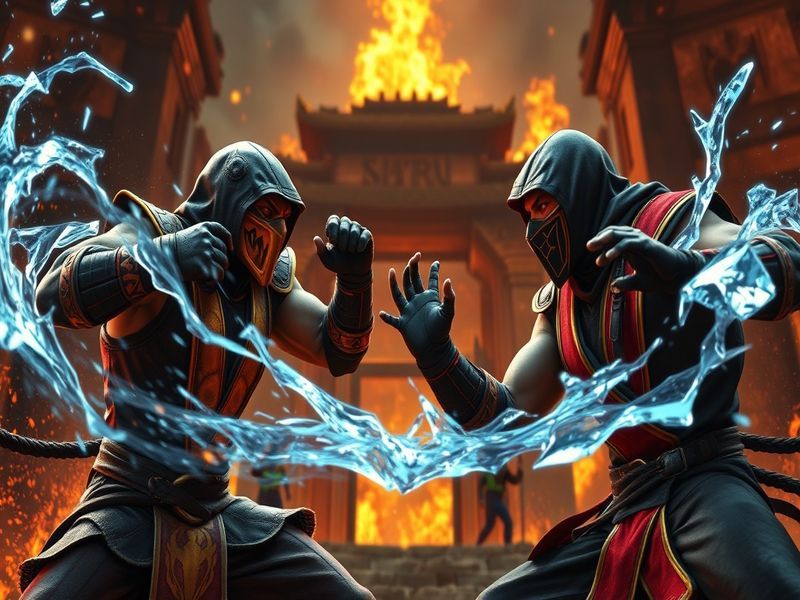
- Mortal Kombat (1992): Introduced iconic characters like Scorpion and Sub-Zero.
- Mortal Kombat II (1993): Expanded the roster and refined gameplay mechanics.
- Mortal Kombat 3 (1995): Introduced the run button and new finishing moves.
- Mortal Kombat 11 (2019): Brought back classic characters and introduced a more cinematic story mode.
This evolution reflects not only technological advancements but also the changing preferences of gamers. The series has adapted to incorporate online play, customizable characters, and intricate storylines that keep players engaged.
Mortal Kombat’s Global Appeal
The appeal of Mortal Kombat extends far beyond its gameplay. The series has tapped into diverse cultural themes and mythologies, drawing inspiration from various martial arts traditions. Characters like Liu Kang, Kitana, and Raiden showcase a blend of Eastern and Western influences, creating a rich tapestry that appeals to a global audience.
Moreover, Mortal Kombat has sparked discussions about violence in video games. The graphic nature of its fatalities and combat has made it a focal point in debates about the impact of violent media on society. This controversy has, in many ways, contributed to its notoriety and popularity, making it a subject of interest for both gamers and non-gamers alike.
The Impact of Mortal Kombat on Entertainment
The influence of Mortal Kombat extends beyond the gaming console. The franchise has been adapted into movies, animated series, and even a web series. The 1995 film adaptation, while not critically acclaimed, garnered a cult following and helped to introduce the franchise to a broader audience. In recent years, the 2021 film reboot aimed to capture the essence of the original games while appealing to a new generation of viewers.
In addition to film, Mortal Kombat has inspired a variety of merchandise, including action figures, clothing, and collectibles. The series’ music, particularly the iconic theme, has also left a lasting mark on popular culture. The soundtracks often blend electronic music with traditional martial arts sounds, further enhancing the gaming experience.
Conclusion
Mortal Kombat stands as a testament to the enduring appeal of video games as a form of entertainment. Its ability to evolve while maintaining core elements has helped it to remain relevant for over three decades. The franchise’s rich storytelling, cultural references, and engaging gameplay continue to attract a diverse audience worldwide. As new technologies emerge and gaming trends shift, Mortal Kombat is likely to adapt and thrive, ensuring its place in the annals of gaming history.
For more insights into the world of gaming and sports, check out our Sports and Gaming sections on Dave’s Locker.