What is CPAC? Exploring Its Role in Conservative Politics
Understanding CPAC: A Political Gathering
The Conservative Political Action Conference (CPAC) is a prominent annual event that brings together conservative activists, politicians, and organizations from across the United States and beyond. Established in 1974, CPAC has evolved into a significant platform for discussing conservative ideals, policies, and strategies. This gathering serves as a barometer for the state of the conservative movement, showcasing the latest trends and the voices shaping right-leaning politics.
History and Evolution of CPAC
CPAC was founded by the American Conservative Union (ACU) as a response to the growing liberal influence in American politics during the 1970s. The first conference attracted around 1,500 attendees and featured notable speakers like Ronald Reagan. Over the years, CPAC has expanded in scope and scale, now attracting thousands of participants, including presidential candidates and influential conservative figures.
The event has also adapted to changing political climates. While it initially focused on traditional conservative values, recent years have seen a broader range of topics, including issues like immigration, national security, and economic policy. This expansion reflects the evolving priorities of the conservative base and the need to address contemporary challenges.
Key Features of CPAC
CPAC is characterized by several key components that distinguish it from other political gatherings. These features contribute to its unique atmosphere and significance within the conservative movement:
- Networking Opportunities: CPAC serves as a crucial networking hub for conservatives, allowing activists, politicians, and organizations to connect and collaborate.
- Panel Discussions and Workshops: The conference includes numerous panels and workshops where experts and leaders discuss pressing issues, providing attendees with insights and strategies.
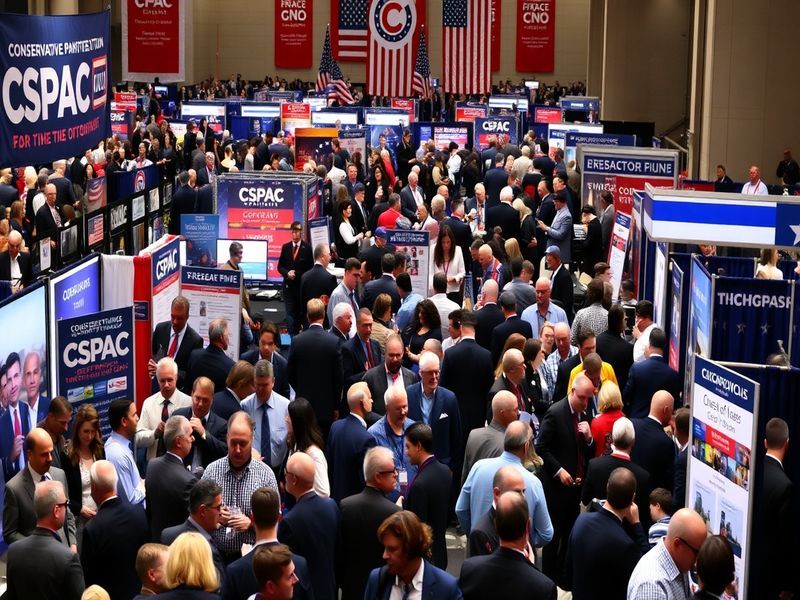
- Exhibitor Hall: Various conservative organizations showcase their initiatives and products, allowing attendees to learn more about the resources available within the movement.
- Keynote Speakers: High-profile figures, including politicians and media personalities, often deliver keynote addresses, offering their perspectives on current events and the future of conservatism.
The event is not limited to just American conservatives. International representatives and conservative activists from other countries often attend, sharing their experiences and insights. This global perspective enriches discussions, highlighting the universal challenges and strategies faced by conservatives worldwide.
CPAC’s Impact on American Politics
CPAC has a significant influence on American politics, particularly among the Republican Party. The conference acts as a stage for potential presidential candidates to present their platforms and gain visibility among grassroots supporters. Many candidates use CPAC as a launchpad for their campaigns, hoping to rally support from the conservative base.
Moreover, the event shapes the agenda for the Republican Party by spotlighting key issues and trends. The discussions held at CPAC often reflect the priorities of the grassroots conservative movement, which can lead to shifts in party policies and strategies. As such, CPAC serves as a critical indicator of the direction in which the party is heading.
Cultural Context and Global Perspective
While CPAC is primarily focused on American conservatism, its impact extends beyond national borders. The conference has inspired similar gatherings in other countries, where conservative movements seek to unify and strengthen their ranks. For instance, events like the Conservative Party Conference in the UK or the International Conservative Conference demonstrate the global reach of conservative ideologies.
In many countries, conservative movements face unique challenges, including rising populism, economic instability, and cultural shifts. CPAC provides a forum for discussing these issues, allowing international attendees to share strategies that have proven effective in their contexts. The exchange of ideas fosters a sense of solidarity among conservatives worldwide, reinforcing the notion that they are part of a larger movement.
Furthermore, the conference often addresses cultural issues, such as free speech, religious freedom, and traditional family values. These topics resonate with many conservative audiences globally, as they confront similar societal challenges. CPAC’s emphasis on these themes underscores the interconnectedness of conservative movements across different cultures.
Conclusion
CPAC remains a vital event within the conservative movement, serving as a platform for dialogue, networking, and strategy development. Its evolution over the years reflects the changing dynamics of American politics and the broader global conservative landscape. As attendees gather to discuss pressing issues and share insights, the conference continues to shape the future of conservatism, both in the United States and around the world.
As political landscapes shift and new challenges arise, CPAC will undoubtedly play a crucial role in defining the path forward for conservatives, making it an event to watch in the coming years.