Canada vs. Iceland: A Detailed Comparison of Two Nations
Canada vs. Iceland: A Comparative Analysis
When comparing Canada and Iceland, two countries known for their stunning landscapes and rich histories, a multitude of factors come into play. From geography and climate to culture and economy, both nations offer unique experiences that set them apart. This article delves into various aspects of Canada and Iceland, providing a comprehensive overview of what each country has to offer.
Geography and Climate
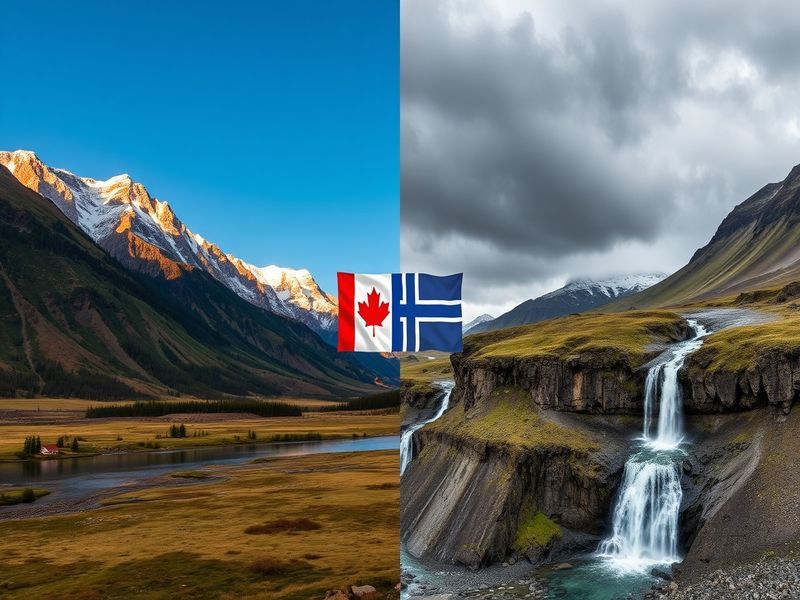
Canada is the second-largest country in the world, spanning over 9.98 million square kilometers. Its diverse geography includes vast forests, towering mountains, and extensive coastlines. In contrast, Iceland is a much smaller island nation, covering approximately 103,000 square kilometers. Known for its dramatic landscapes, Iceland features geysers, glaciers, and volcanic activity.
The climate in Canada varies significantly across its regions. The west coast enjoys a mild oceanic climate, while the northern territories experience severe Arctic conditions. Conversely, Iceland has a subarctic climate, characterized by cool summers and mild winters influenced by the Gulf Stream.
Culture and Society
Canada is a multicultural society, home to a wide array of ethnicities and cultures. This diversity is reflected in its festivals, cuisine, and daily life. Cities like Toronto and Vancouver are melting pots of cultures, offering an array of international foods and cultural experiences.
- Multicultural festivals
- Diverse culinary scene
- Indigenous cultures and heritage
Iceland, on the other hand, has a more homogeneous population, with a majority of Icelanders tracing their ancestry back to Norse settlers. The culture is deeply rooted in Norse mythology and traditions, which continue to influence contemporary art, literature, and music. The Icelandic language, a descendant of Old Norse, is a significant aspect of national identity.
Economy and Industry
Canada boasts one of the largest economies in the world, with a GDP that stands out in sectors such as natural resources, manufacturing, and technology. The country is rich in minerals, oil, and timber, making these industries vital to its economy. Additionally, the tech sector in cities like Toronto and Montreal is rapidly growing, attracting startups and established companies alike.
Iceland’s economy, while smaller, has shown resilience and adaptability. Traditionally reliant on fishing, the country has diversified its economy to include tourism and renewable energy. The stunning natural beauty and unique geological features of Iceland have made it a popular travel destination, significantly contributing to its economic growth in recent years.
Travel and Tourism
Traveling to Canada offers a vast array of experiences, from the urban excitement of cities like Toronto and Montreal to the breathtaking natural beauty of Banff National Park and the Rocky Mountains. Outdoor enthusiasts can engage in activities ranging from skiing and snowboarding in the winter to hiking and camping in the summer.
Iceland, known for its otherworldly landscapes, has become a hotspot for travelers seeking adventure. The Blue Lagoon, Golden Circle, and the Northern Lights are just a few of the attractions that draw visitors from around the globe. Eco-tourism and sustainable travel practices are increasingly emphasized, aligning with the country’s commitment to preserving its natural environment.
- Top attractions in Canada
- Must-see sites in Iceland
- Outdoor activities in both countries
Both countries have invested in their tourism sectors, making them accessible and appealing to international travelers. Canada offers a more varied experience due to its size, while Iceland provides a unique and concentrated adventure within its compact borders.
Conclusion
In conclusion, Canada and Iceland present distinct yet captivating experiences for residents and tourists alike. Canada’s vastness and multiculturalism create a rich tapestry of life, while Iceland’s dramatic landscapes and deep-rooted culture offer a unique charm. Each country has its strengths and attractions, appealing to different preferences and interests. Whether you seek the diverse urban environments of Canada or the natural wonders of Iceland, both nations hold something special for everyone.
For more insights on travel destinations, check out our Travel section. If you’re interested in cultural explorations, visit our Culture category.