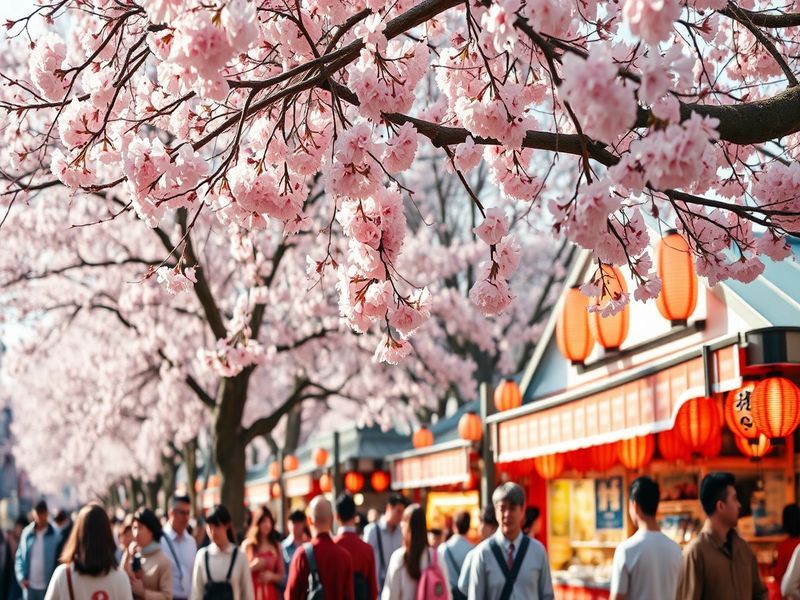
Cherry Blossom Festivals Worldwide: A Guide to Spring’s Most Beautiful Celebrations
The arrival of spring is often marked by the fleeting beauty of cherry blossoms, or sakura as they are known in Japan. These delicate pink flowers, which bloom for just a week or two each year, have inspired centuries of art, poetry, and celebration. Across the globe, cities embrace this natural wonder with festivals that blend cultural heritage, community spirit, and seasonal joy.
The Origins of Cherry Blossom Festivals
The tradition of celebrating cherry blossoms traces back to Japan, where the hanami (flower viewing) custom dates to the 8th century. Originally a pastime for the aristocracy, hanami evolved into a national event by the Edo period (1603–1868). It was during this time that the first public cherry tree plantings began, and communities gathered under blooming trees to share food, sake, and poetry.
Japan’s most famous cherry blossom festival, the Hanami Festival in Tokyo, draws millions of visitors annually to parks like Ueno and Shinjuku Gyoen. The festival isn’t just about aesthetics—it’s a reflection of mono no aware, the Japanese concept of the bittersweet awareness of life’s impermanence. The fleeting nature of the blossoms serves as a reminder to cherish fleeting moments.
A Global Phenomenon Takes Root
As Japan’s influence spread through diplomacy and cultural exchange, so too did the popularity of cherry blossoms. In 1912, Japan gifted 3,000 cherry trees to the United States as a symbol of friendship. These trees were planted along the Potomac River in Washington, D.C., and today, the National Cherry Blossom Festival attracts over a million visitors each spring. The festival features parades, cultural performances, and even a kite festival, all centered around the ephemeral blooms.
Similar festivals can be found in cities like Vancouver (Canada), where the Vancouver Cherry Blossom Festival celebrates the city’s multicultural identity with art installations, live music, and neighborhood hanami picnics. In Europe, the Bonn Cherry Blossom Route in Germany transforms the city into a sea of pink, thanks to trees gifted by Japan in the 1980s. These festivals highlight how cherry blossoms have become a universal symbol of renewal and transience.
Cultural Significance Beyond Japan
While cherry blossoms are deeply rooted in Japanese culture, their symbolism resonates in other parts of the world as well. In Korea, the beot-kkot (cherry blossom) is celebrated during the Jeju Cherry Blossom Festival, where locals and tourists alike gather to hike Mount Halla and enjoy the blossoms against the island’s volcanic landscape. The festival also coincides with cherry blossom season in other parts of East Asia, such as Taiwan’s Yangmingshan National Park, where the annual festival draws crowds with its misty mountain views.
In the United States, cherry blossom festivals often reflect local histories. For example, the Brooklyn Botanic Garden’s Cherry Blossom Festival in New York City began in 1921 with a gift of 200 trees from the Japanese government. Today, the festival includes a traditional tea ceremony, taiko drumming, and even a sakura cocktail competition. These events serve as bridges between cultures, fostering understanding and appreciation.
Festivals as Community Gatherings
Beyond their cultural and historical significance, cherry blossom festivals are vital community events. They encourage people to step outside after winter, connect with neighbors, and celebrate the changing seasons. In many cities, these festivals are volunteer-driven, with local organizations hosting everything from guided walks to photography contests.
For example, the Cherry Blossom Festival in Macon, Georgia, is one of the largest in the world, thanks to the city’s unusually mild climate that allows for two distinct blooming periods. The festival spans three weeks and includes a fun run, a hot air balloon festival, and a “Cherry Blossom Trail” that winds through historic neighborhoods. Such events highlight how festivals adapt to local environments while maintaining their core themes of beauty and togetherness.
The Science and Sustainability of Cherry Blossoms
Cherry blossom festivals are not just about aesthetics—they also offer a chance to discuss the science behind the blooms and the challenges they face. Climate change, for instance, is altering bloom times. In Kyoto, where records of sakura dates go back over 1,200 years, researchers have noted that cherry trees are blooming earlier than ever due to rising temperatures. This shift affects not only tourism but also the ecosystems that depend on these trees.
Urbanization poses another threat. In cities like Tokyo and Washington, D.C., pollution and construction can stress cherry trees, making them more susceptible to pests and disease. Many festivals now incorporate educational components, teaching visitors about tree care, conservation, and the importance of native species. Some festivals even partner with environmental groups to plant new trees and restore green spaces.
What to Expect at a Cherry Blossom Festival
While each festival is unique, most share a few common elements. Here’s what you can typically expect:
- Cultural Performances: Traditional music, dance, and theater performances that showcase the host country’s heritage.
- Food and Drink: Seasonal treats like sakura mochi, cherry blossom-themed cocktails, and local delicacies served under the trees.
- Art Installations: Temporary exhibits featuring photography, sculpture, and digital art inspired by the blossoms.
- Guided Tours: Walks led by experts who share the history and botanical details of the trees.
- Nighttime Illuminations: Many festivals extend into the evening with lantern-lit walks or projections on trees.
Attending a cherry blossom festival is as much about the experience as it is about the spectacle. Whether you’re sipping sake under the trees in Japan or enjoying a picnic in Brooklyn, these festivals remind us of the beauty in fleeting moments—and the joy of sharing them with others.
Conclusion: A Universal Celebration of Spring
Cherry blossom festivals are more than just seasonal events; they are celebrations of culture, community, and the natural world. From the historic hanami gatherings in Japan to the vibrant festivals in North America and Europe, these events bring people together under a canopy of pink and white. They remind us to pause and appreciate the beauty around us, even if it’s only for a few days each year.
As climate change and urbanization continue to challenge these traditions, the role of festivals in education and conservation becomes increasingly important. By participating in or supporting these events, we can help preserve the legacy of cherry blossoms for future generations. So next spring, find a festival near you—or plan a trip to witness this global spectacle firsthand. The blossoms won’t last forever, but their impact certainly will.