John Waters: How Bad Taste Became an Art Form
“`html
John Waters: The Subversive Filmmaker Who Turned Bad Taste Into an Art Form
John Waters has spent decades challenging cultural norms with films that embrace the grotesque, the absurd, and the unapologetically tasteless. Born in Baltimore in 1946, Waters cultivated a singular aesthetic that blends shock value with sharp social commentary. His work transcends mere provocation, evolving into a celebration of individuality in an era obsessed with conformity.
Waters’ films often feature outsiders as protagonists, from the rebellious Pink Flamingos to the lovable misfits of Hairspray. While his early work shocked audiences, it also laid the groundwork for a career that would redefine underground cinema. Today, he remains a polarizing yet influential figure whose legacy extends far beyond Baltimore’s city limits.
A Career Built on Defiance
Waters’ journey began in the 1960s and 1970s, a time when experimental filmmaking thrived in the shadows of mainstream Hollywood. His early short films, such as Hag in a Black Leather Jacket (1964) and Eat Your Makeup (1968), showcased his fascination with transgression. These works were raw, low-budget, and deliberately offensive—qualities that would define his filmography.
His breakthrough came with Pink Flamingos (1972), a film so outrageous it was banned in several countries. The movie’s infamous climax, where Divine eats dog feces, cemented Waters’ reputation as a provocateur. Yet beneath the shock value lay a satire of 1970s American culture, skewering everything from consumerism to conservative morality.
By the 1980s, Waters transitioned from underground cult status to mainstream recognition with Polyester (1981), a suburban satire starring Divine. The film’s use of “Odorama” cards—scratch-and-sniff scent strips—showcased his knack for blending humor with social critique. While his earlier work was met with outrage, by this point, audiences had begun to recognize his films as art rather than mere obscenity.
The Evolution of a Cultural Icon
Waters’ films have always reflected the anxieties and hypocrisies of their time. Hairspray (1988), his most commercially successful film, tackled racial segregation with a mix of humor and sincerity. The story of Tracy Turnblad, a white teenager advocating for integration on a local TV dance show, resonated deeply in an era still grappling with civil rights issues.
In the 1990s and 2000s, Waters expanded his artistic reach beyond film. He published books like Shock Value (1981) and Crackpot: The Obsessions of John Waters (1987), which blended memoir with manifesto. His art installations, such as Changeable Landscape (2004), further blurred the line between cinema and visual art.
Waters’ influence extends globally, particularly in queer and alternative art circles. Directors like Pedro Almodóvar and Todd Haynes have cited him as an inspiration. His ability to critique society while celebrating its misfits has made him a beloved figure in LGBTQ+ communities worldwide.
The Baltimore Connection: A City as a Character
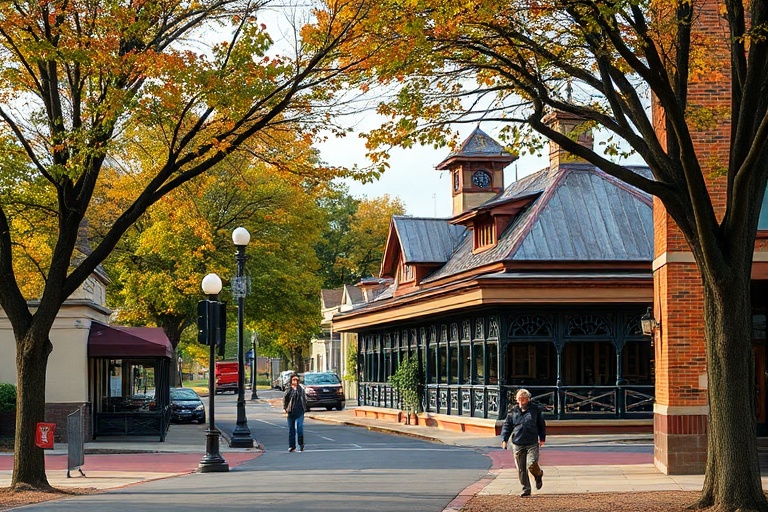
Baltimore is more than just Waters’ hometown—it’s a character in his films. The city’s working-class neighborhoods, industrial grit, and eccentric locals provide the backdrop for much of his work. Films like Female Trouble (1974) and Cecil B. Demented (2000) capture Baltimore’s raw, unfiltered essence.
Waters has often spoken about his love for the city, despite its struggles. In interviews, he describes Baltimore as a place where “nothing is perfect, and that’s what makes it beautiful.” His connection to the city has inspired countless artists who see beauty in the overlooked and marginalized.
Beyond film, Waters has contributed to Baltimore’s cultural landscape through his involvement in local arts initiatives. His presence has helped elevate the city’s reputation as a hub for creativity and rebellion.
Legacy and Influence in Global Cinema
Waters’ impact on global cinema is undeniable. His films have inspired movements in queer cinema, underground filmmaking, and even punk subcultures. Directors like Harmony Korine and Gus Van Sant have cited him as a major influence, while artists such as Cindy Sherman and Jeff Koons have praised his fearless approach to art.
In Europe, Waters is celebrated as a countercultural icon. His films have screened at prestigious festivals like Cannes and Berlin, earning him a following among cinephiles who appreciate his subversive style. Meanwhile, in Asia and Latin America, his work has been embraced by audiences hungry for films that challenge authority.
Waters’ ability to transcend borders speaks to the universal appeal of his themes: individuality, defiance, and the rejection of conformity. Whether through film, art, or writing, he has consistently championed those who dare to be different.
A Lasting Relevance in Modern Culture
Today, Waters remains active, curating art shows and giving lectures around the world. His recent projects, such as the 2022 exhibition Pope of Trash at the Baltimore Museum of Art, reaffirm his status as a living legend. He continues to push boundaries, proving that true artistry lies in the refusal to play by the rules.
For those who admire his work, Waters offers a simple yet profound message: “If you go against the grain, you might just find something worth holding onto.” In an era of increasing homogeneity, his films serve as a reminder of the power of authenticity.
Whether you’re a longtime fan or a newcomer to his world, exploring John Waters’ filmography is an invitation to embrace the strange, the ugly, and the utterly unforgettable. His legacy is a testament to the idea that art doesn’t have to be pretty to be meaningful—it just has to be honest.
For more on alternative cinema and countercultural figures, visit our Entertainment section. If you’re interested in the intersection of art and rebellion, check out our Culture category for deeper explorations.