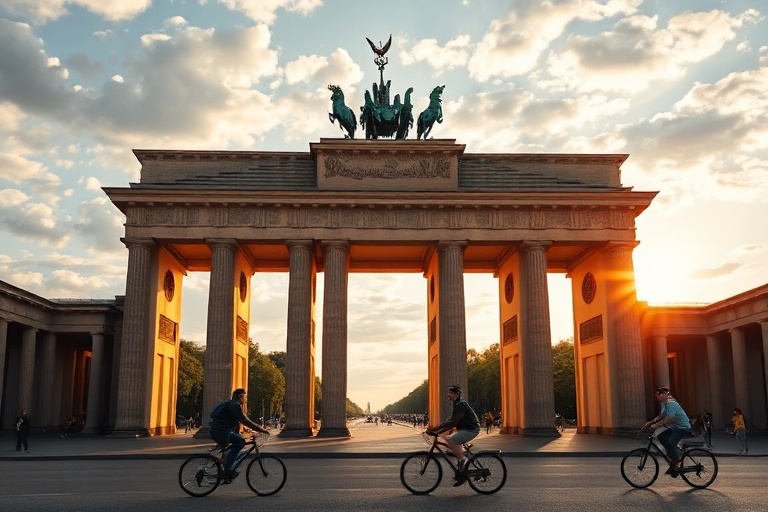
Understanding Niemcy: Origins and Definition
Niemcy is a Polish term historically used to refer to Germans or people of German descent. While the word itself has been part of the Polish language for centuries, its meaning and connotations have evolved significantly over time. Linguists trace the term back to the Old Polish word niemiec, derived from the Slavic root *němьcь, which originally meant “mute” or “someone who doesn’t speak clearly.” This linguistic origin reflects the historical interactions between Slavic and Germanic tribes, where language barriers played a defining role in cultural identity.
By the Middle Ages, the term had taken on a more specific meaning, referring to German settlers in Poland and other Slavic regions. These settlers often came as merchants, craftsmen, or invited colonists, bringing with them distinct cultural practices. Over centuries, the word niemcy became synonymous not just with nationality, but with a complex set of social, economic, and cultural associations—some positive, others tinged with historical tensions.
The Shifting Cultural Significance of Niemcy
The perception of niemcy in Polish society has fluctuated with historical events. During periods of political stability, the term often carried neutral or even positive connotations, particularly in regions where German communities contributed to local development. Cities like Wrocław (Breslau) and Poznań (Posen) bear architectural and infrastructural legacies from these interactions, serving as tangible reminders of a shared European history.
However, the 20th century brought dramatic shifts. The two World Wars, the Treaty of Versailles, and the forced migrations following the Potsdam Agreement reshaped the demographic and cultural landscape of Central Europe. The term niemcy became inextricably linked to the trauma of displacement, ethnic cleansing, and the redrawing of national borders. For many Poles, the word carried the weight of painful memories, particularly in areas that had once been part of Germany but were now under Polish administration.
Niemcy in Modern Context: Reevaluating a Complex Legacy
Today, the term niemcy exists in a space of historical reckoning and cultural rediscovery. Younger generations in Poland often view the word through a more neutral lens, separated from the political conflicts of the past. Museums, academic research, and cultural initiatives have begun to explore the shared heritage of Poles and Germans, particularly in border regions like Silesia and Pomerania. This shift reflects a broader European trend toward confronting historical injustices while celebrating multicultural legacies.
One notable example is the cultural exchange programs between Poland and Germany, which aim to foster dialogue and mutual understanding. These initiatives often focus on tangible heritage—restoring historic buildings, reviving local traditions, and promoting bilingual education. Such efforts highlight how language and identity are not static but evolve through dialogue and shared experience.
Key Aspects of the Niemcy Phenomenon
The modern understanding of niemcy can be broken down into several key dimensions:
- Linguistic Roots: The term’s Slavic origin reflects early interactions between Slavic and Germanic peoples, where language barriers shaped cultural perceptions.
- Historical Trauma: The 20th century’s wars and forced migrations embedded the term with painful memories, particularly in regions like Silesia and Pomerania.
- Cultural Exchange: Contemporary initiatives aim to reframe niemcy as a symbol of shared heritage rather than division, focusing on restoration and dialogue.
- Regional Identity: In areas with mixed populations, the term often carries local nuances, blending historical grievances with pride in multicultural roots.
- Generational Shift: Younger Poles increasingly view niemcy as a historical term rather than a contemporary identity, allowing for a more nuanced understanding of the past.
Broader Implications: Niemcy and the Future of European Identity
The story of niemcy is not just a Polish or German narrative—it is a microcosm of Europe’s broader struggle to reconcile history with identity. The continent’s shifting borders, multicultural legacies, and ongoing debates about nationalism and belonging all play out in the way societies remember and reinterpret terms like niemcy. This process is particularly visible in Central and Eastern Europe, where centuries of overlapping cultures have left deep imprints on language, architecture, and collective memory.
For policymakers and cultural leaders, the challenge lies in balancing historical accuracy with contemporary needs. How can societies honor the complexities of their past while building inclusive futures? Initiatives like the European Union’s cultural heritage programs offer one path forward, funding projects that preserve shared histories without glossing over past conflicts. These efforts are crucial in regions where historical narratives remain contested, as they provide neutral spaces for dialogue.
At the grassroots level, artists, historians, and local communities are also driving change. For example, the revival of regional dialects in border areas has become a way to reclaim cultural heritage while fostering pride in local identity. These grassroots movements often operate outside formal institutions, offering organic and inclusive ways to explore the past.
Conclusion: Niemcy as a Mirror of European Complexity
Niemcy is more than a word—it is a lens through which to examine Europe’s layered history. From its linguistic origins to its modern reinterpretations, the term encapsulates the continent’s struggles with identity, memory, and belonging. As societies grapple with the legacies of nationalism and migration, the story of niemcy serves as a reminder of how language and culture can both divide and unite.
Looking ahead, the most promising developments are those that treat history as a living dialogue rather than a fixed narrative. Whether through cultural exchanges, educational initiatives, or grassroots projects, the reevaluation of terms like niemcy offers a path toward healing and understanding. In an era where identity politics often dominate public discourse, these efforts provide a necessary counterbalance—one that values complexity over simplification.
For Poland and Germany, this journey is far from over. Yet the growing willingness to confront the past while celebrating shared heritage suggests that the future of European identity may be more inclusive than its past. The term niemcy, once a marker of division, could yet become a symbol of what Europe might yet achieve.