Donald Trump and Israel: A Complex Relationship Explored
Donald Trump and Israel: A Complex Relationship
Donald Trump’s presidency marked a significant period in U.S.-Israel relations. His administration’s policies and decisions regarding Israel have had lasting implications on both domestic and international fronts. From recognizing Jerusalem as Israel’s capital to facilitating normalization agreements with several Arab nations, Trump’s approach has been both praised and criticized.
Recognition of Jerusalem
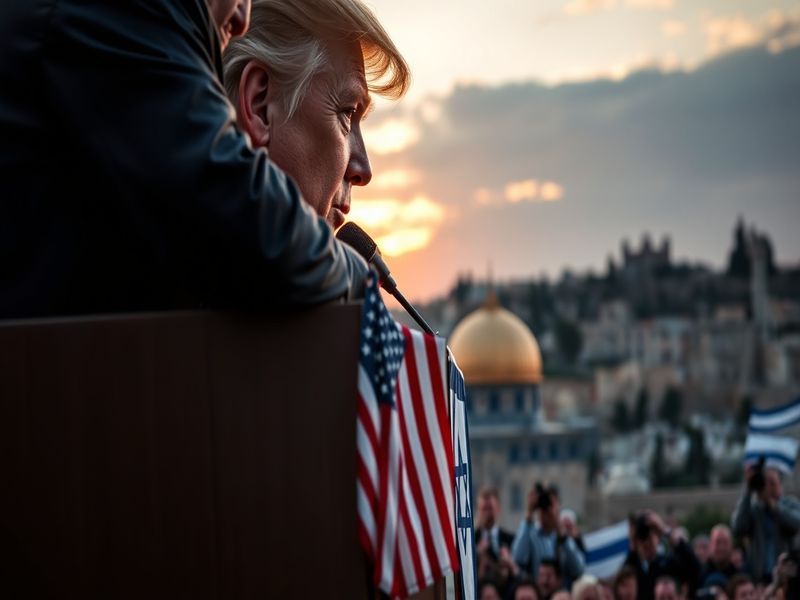
One of the most notable actions taken by Trump was the recognition of Jerusalem as Israel’s capital in December 2017. This decision was met with widespread acclaim from many in Israel and its supporters. However, it also drew substantial backlash from Palestinian leaders and other nations, who viewed it as a unilateral move that undermined the peace process.
The recognition led to the relocation of the U.S. embassy from Tel Aviv to Jerusalem, which officially took place in May 2018. This event was celebrated by many Israelis but was seen as provocative by others. The implications of this decision extended beyond diplomatic ties; it also impacted the sentiments of various groups within the region.
Normalization Agreements: The Abraham Accords
Another significant achievement during Trump’s tenure was the Abraham Accords, a series of normalization agreements between Israel and several Arab nations, including the United Arab Emirates and Bahrain. Signed in 2020, these agreements aimed to foster peace and cooperation in the Middle East.
The Abraham Accords represented a shift in the traditional dynamics of the region. They highlighted a growing recognition among some Arab states of Israel’s strategic importance, particularly in facing common threats. The agreements also opened avenues for economic collaboration, technological exchange, and tourism.
- United Arab Emirates: Established diplomatic relations and increased trade.
- Bahrain: Joined the UAE in normalizing relations, focusing on security cooperation.
- Morocco: Recognized Israel in exchange for U.S. support on Western Sahara.
However, the accords were not without their critics. Many Palestinians felt sidelined and argued that these agreements did not address their aspirations for statehood. The long-standing Israeli-Palestinian conflict remains unresolved, and the accords did not pave the way for negotiations on this front.
Domestic Reactions and Political Ramifications
Trump’s policies towards Israel also had significant implications for his domestic political landscape. His staunch support for Israel helped solidify his base among evangelical Christians and pro-Israel groups. Many viewed his actions as a fulfillment of biblical prophecy, further intertwining faith and politics.
Conversely, his approach alienated some progressive Democrats and left-leaning voters who criticized his unwavering support for Israeli policies, particularly regarding Palestinian rights. This division within the Democratic Party became increasingly evident as debates surrounding U.S. foreign policy intensified.
Conclusion
Donald Trump’s presidency undeniably reshaped U.S.-Israel relations. His decisions, such as recognizing Jerusalem and facilitating the Abraham Accords, have left a complex legacy that continues to influence diplomatic discussions today. While some celebrate these moves as steps toward peace and cooperation, others view them as detrimental to the pursuit of a lasting resolution to the Israeli-Palestinian conflict.
The future of U.S.-Israel relations remains uncertain, particularly as political dynamics change within both countries. As the region continues to evolve, the ramifications of Trump’s policies will likely be felt for years to come. For further insights into this topic and related news, visit our Politics and News sections.