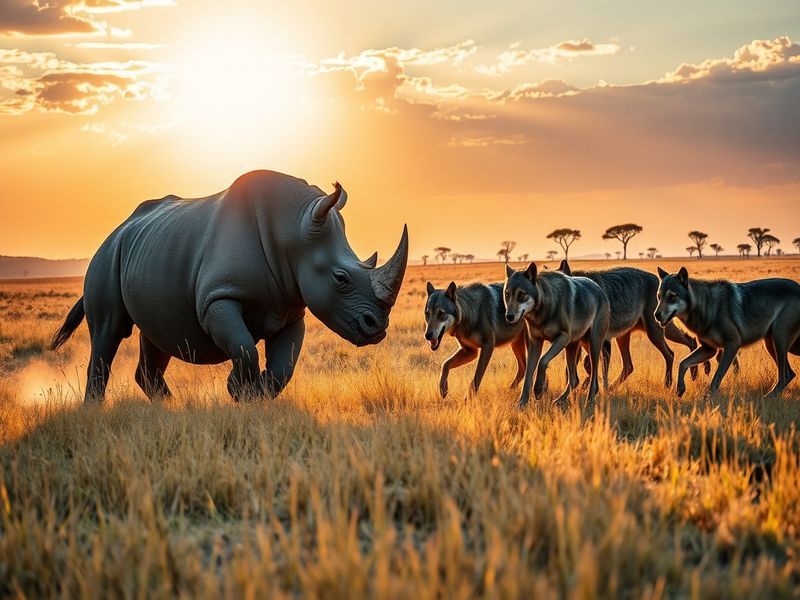
Rhinos vs Wolves: A Comparative Analysis of Two Iconic Species
Understanding the Rhinoceros and the Wolf
The rhinoceros and the wolf are two iconic animals, each representing unique ecosystems and cultural significances. Rhinos are often associated with the savannas and grasslands of Africa and parts of Asia, while wolves roam the forests and tundras of North America, Europe, and Asia. Despite their differences, both species have faced significant challenges due to human activities, which has led to ongoing conservation efforts.
Physical Characteristics and Adaptations
Rhinos and wolves exhibit distinct physical traits that are adaptations to their environments. Rhinos are large, robust animals with thick skin, which serves as armor against predators and environmental elements. They possess one or two horns, depending on the species, which are made of keratin, the same substance found in human hair and nails.
In contrast, wolves are lean and muscular, built for endurance and agility. They have sharp senses, particularly their sense of smell, which allows them to track prey over long distances. Their social structure, often forming packs, enhances their hunting efficiency and provides protection.
Habitat and Distribution
Both species inhabit diverse ecosystems across the globe. Rhinos are primarily found in:
- Grasslands
- Savannas
- Forests
- Wetlands
They are scattered across Africa and parts of Asia, with species like the white rhino and the Indian rhino facing dire threats from poaching and habitat loss.
Wolves, on the other hand, can be found in a variety of habitats, including:
- Forests
- Tundras
- Grasslands
- Deserts
This adaptability has allowed them to thrive in various climates, although they are often seen as apex predators in their respective regions.
Cultural Significance
Both rhinos and wolves hold significant places in various cultures. Rhinos are often symbols of strength and resilience. In some African cultures, they are revered and celebrated in folklore. The conservation of rhinos has become a symbol of the fight against wildlife trafficking, drawing attention to broader environmental issues.
Wolves, meanwhile, have a more complex cultural narrative. They are often portrayed as both noble and fearsome. In Native American traditions, wolves are seen as teachers and guides, embodying loyalty and teamwork. Conversely, they have historically been viewed as threats to livestock, leading to extensive hunting and eradication efforts.
Conservation Challenges
Both species face significant conservation challenges. For rhinos, poaching for their horns remains a primary threat. The demand for rhino horn in traditional medicine and as a status symbol in some cultures has led to a dramatic decline in their populations. Conservation efforts, including anti-poaching initiatives and habitat protection, are crucial to their survival.
Wolves face threats from habitat loss and human-wildlife conflict. As urban areas expand, wolves are often pushed out of their natural habitats, leading to increased encounters with humans. Conservation strategies focus on coexistence, promoting ways for farmers and ranchers to protect their livestock while allowing wolves to thrive.
Conclusion: The Need for Coexistence
The rhinoceros and the wolf, while vastly different, both symbolize the delicate balance of ecosystems and the impact of human activity on wildlife. Protecting these species requires a multifaceted approach that includes habitat preservation, anti-poaching measures, and fostering a cultural appreciation for their roles in the environment.
As we continue to advance in our understanding of wildlife conservation, it is essential to recognize the interconnectedness of all species. Through education and advocacy, we can work towards a future where both rhinos and wolves can coexist alongside humans, enriching our planet’s biodiversity.
For more insights into wildlife conservation, check out our Culture section.