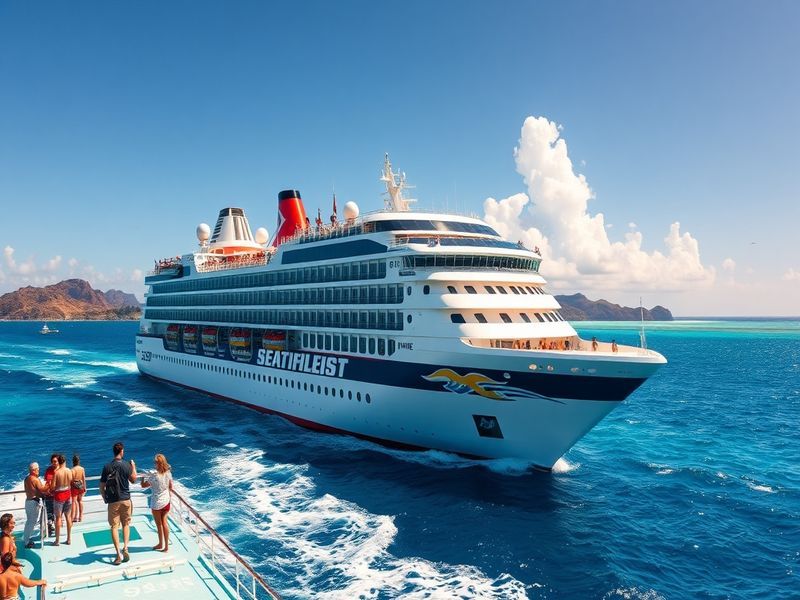
Exploring the Cruise Line Experience: Choices and Implications
Understanding the Cruise Line Experience
Cruise lines offer a unique way to explore the world, combining travel, entertainment, and relaxation into one seamless package. Travelers can visit multiple destinations while enjoying a range of onboard activities and amenities. With numerous cruise lines available, each with its own distinct offerings, choosing the right one can be a daunting task.
Popular Cruise Lines and Their Offerings
Several cruise lines have established themselves as leaders in the industry, each catering to different demographics and preferences. Here’s a look at some popular cruise lines and what they bring to the table:
- Royal Caribbean: Known for its innovative ships and extensive onboard activities, including rock climbing and surf simulators.
- Carnival Cruise Line: Often considered the “fun” cruise line, Carnival focuses on providing a lively atmosphere with entertainment and dining options for all ages.
- Norwegian Cruise Line: Offers a “freestyle” cruising experience, allowing passengers to dine when and where they choose, and providing a more relaxed atmosphere.
- Princess Cruises: Known for its emphasis on destination immersion, offering excursions that allow travelers to explore ports in depth.
Key Considerations When Choosing a Cruise Line
When selecting a cruise line, travelers should consider several factors that can significantly impact their experience. These include:
- Itinerary: Consider the destinations and ports of call. Some cruise lines focus on specific regions, while others offer global itineraries.
- Onboard Experience: Evaluate the amenities, entertainment options, and dining experiences available on the ship.
- Target Demographic: Determine whether the cruise line caters to families, couples, or solo travelers, as this will influence the overall atmosphere.
- Budget: Assess the cost of the cruise, including all potential extras such as excursions, specialty dining, and gratuities.
The Broader Implications of Cruising
The cruise industry is not just a segment of the travel market; it has broader implications for tourism and local economies. Ports of call often rely heavily on cruise tourism for economic sustenance. This reliance can lead to both positive and negative outcomes. On one hand, cruise lines bring significant revenue to local businesses, creating jobs and stimulating growth. On the other hand, the influx of tourists can strain local resources and affect the environment.
Moreover, the pandemic has reshaped the cruise industry, prompting lines to adapt to new health protocols. Enhanced sanitation measures and flexible booking policies have become standard. This evolution illustrates the industry’s resilience and ability to innovate in the face of challenges.
Conclusion
In summary, cruise lines present travelers with an unparalleled way to experience multiple destinations while enjoying a wealth of onboard amenities. With various options available, it is crucial for potential cruisers to consider their preferences, budget, and the unique offerings of each line. As the industry continues to evolve, the balance between economic benefits and environmental responsibility remains a critical topic for discussion. For those considering a cruise, understanding these dynamics can lead to a more informed and enjoyable travel experience.
For further insights on travel and tourism, explore our Travel category and discover more about the latest trends in the industry.