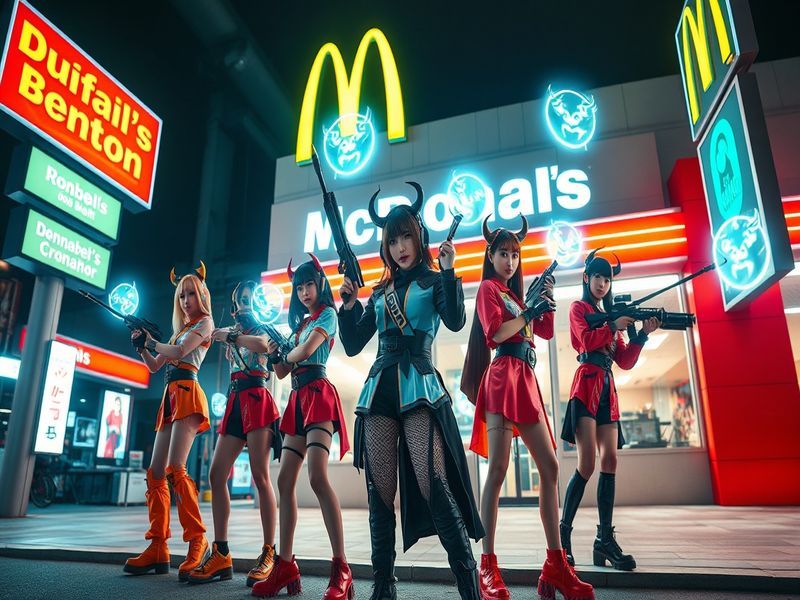
K-Pop Demon Hunters: A New Era of McDonald’s Collaborations
K-Pop Meets McDonald’s: The Rise of Demon Hunters
K-Pop, known for its catchy tunes and elaborate performances, has recently ventured into unexpected territory. The collaboration between K-Pop idols and fast-food giant McDonald’s has taken on a unique twist, introducing the concept of “demon hunters” into promotional campaigns. This fusion of music, culture, and branding opens up a fascinating dialogue about the evolving nature of entertainment and consumer engagement.
The Concept of Demon Hunters in K-Pop
Demon hunters are characters often found in various forms of media, representing the battle between good and evil. In K-Pop, this archetype has been embraced in music videos, stage performances, and promotional content. The combination of these themes with popular culture icons like McDonald’s creates an intriguing juxtaposition.
Through visually captivating storytelling, K-Pop artists embody these demon hunter personas, showcasing their skills not only as performers but as narrators of epic tales. This approach resonates with fans, drawing them into a narrative that extends beyond the music itself.
Key Elements of the K-Pop Demon Hunter Phenomenon
- Visual Aesthetics: The use of elaborate costumes and set designs enhances the demon hunter theme.
- Storytelling: Music videos often feature narratives that align with the demon hunter motif, creating a cohesive experience.
- Brand Collaborations: Partnerships with brands like McDonald’s add a layer of commercial appeal, attracting a wider audience.
- Fan Engagement: Interactive experiences, such as merchandise and social media campaigns, foster a sense of community among fans.
The Impact of Brand Collaborations
Collaborations between K-Pop and major brands have become increasingly common. McDonald’s, with its global reach, serves as a prime example of how brands can leverage popular culture to enhance their visibility. The incorporation of demon hunters into these campaigns not only promotes the brand but also elevates the narrative within K-Pop.
These collaborations often lead to limited-edition merchandise, exclusive content, and unique marketing strategies. For instance, fans can purchase themed meals that come with collectible items or access special performances that tie into the demon hunter theme. This strategy not only boosts sales for McDonald’s but also deepens the connection between K-Pop artists and their fanbase.
Broader Implications of K-Pop and Fast Food Collaborations
The intersection of K-Pop and fast food highlights a few key implications for both industries:
- Consumer Behavior: The allure of exclusive merchandise and themed experiences encourages fans to engage more deeply with brands.
- Cross-Cultural Exchange: Such collaborations promote cultural exchange, allowing for the blending of diverse narratives and artistic expressions.
- Market Expansion: Brands like McDonald’s can tap into the dedicated K-Pop fanbase, expanding their market reach and relevance.
- Creative Innovation: The fusion of different genres and styles fosters creativity within both the music and marketing industries.
Conclusion: The Future of K-Pop and Brand Collaborations
The emergence of demon hunters in K-Pop, especially through partnerships with brands like McDonald’s, represents a new frontier in entertainment and marketing. This trend not only enriches the storytelling aspect of K-Pop but also creates opportunities for brands to engage with consumers on a deeper level. As the lines between music, culture, and commerce continue to blur, it will be interesting to see how these collaborations evolve and what new narratives will emerge.
For those interested in more insights on the intersection of culture and entertainment, visit our Culture and Music pages for a deeper exploration of these themes.